
What a Spare the Air Alert Actually Restricts About Your Fireplace
BAAQMD Spare the Air winter alerts restrict wood burning across the Santa Clara Valley on high-pollution days. Here is what it covers and what it does not.
Published
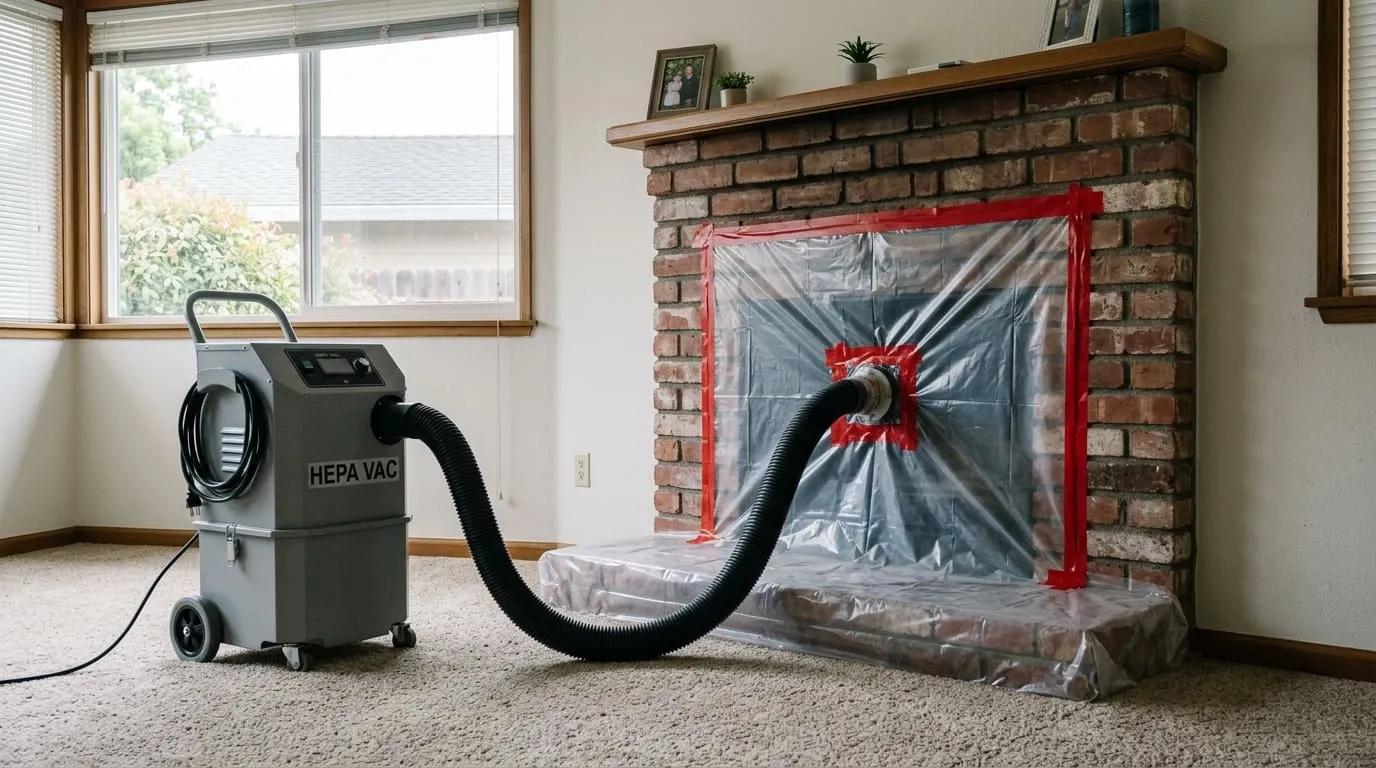
A Bay Area Air Quality Management District Spare the Air alert bans wood-burning fireplaces and uncertified stoves on the winter’s worst air-quality days. It restricts burning, not servicing, and the exemptions are narrower than most people assume.
Winter smog in the Bay Area comes less from cars than most residents assume, and more from chimneys than most residents assume too — wood smoke is a leading source of the fine particulate pollution that builds up on cold, still winter nights across the region, the Santa Clara Valley included. The Bay Area Air Quality Management District’s response is the Spare the Air program, and its winter wood-burning rule is the piece of it a fireplace owner in Sunnyvale, San Jose or anywhere else in our service area is most likely to actually run into.
What triggers an alert
BAAQMD issues a Winter Spare the Air alert when forecast particulate pollution is expected to exceed federal health standards, typically on cold, windless nights when smoke has nowhere to disperse. During a Mandatory Spare the Air alert (Wednesday through Sunday of a given week under the district’s current framework, though the exact days a given alert covers vary), burning wood or manufactured fire logs in any fireplace, wood stove or outdoor fire pit is prohibited valley-wide, regardless of which city the address sits in. The rule applies uniformly across the whole Bay Area air basin; it does not matter whether the chimney is in downtown San Jose or up in the Santa Cruz Mountains foothills.
The exemptions are narrower than people assume
There is a real exemption for a household whose only source of heat is a wood-burning device, a genuine primary-heat situation common in some of the Santa Cruz Mountains communities we serve, rather than a household with a working gas furnace that simply prefers the fireplace. There is also generally an exemption for EPA-certified wood stoves and inserts meeting current emissions standards, as distinct from an older, uncertified fireplace insert. Neither exemption applies just because a household finds the restriction inconvenient, and violations during a mandatory alert can carry a real fine: the program has genuine enforcement behind it, not a suggestion.
What the rule does not restrict
This is the point worth being clear about: a Spare the Air alert restricts burning, not chimney service. Sweeps, cleanings, inspections, repairs and cap installations all proceed on a Spare the Air day exactly as on any other day — nothing about the air-quality rule affects whether a technician can work on your chimney. In fact, a Spare the Air stretch is often a practical time to get a service scheduled, since the fireplace is already off-limits for use regardless.
Why this matters more some winters than others
Spare the Air alerts cluster during La Nina and other dry winter patterns when stagnant high-pressure systems sit over the valley for days at a time, trapping smoke close to the ground rather than letting it disperse. A winter with more of those stagnant stretches means more restricted-burning days, and it is worth checking BAAQMD’s own alert status before assuming a cold night is automatically a fire night, rather than finding out after the fact.
Read next
More from the blog
Get a written scope, not a guess
We inspect first and put the repair in writing, with photos, and never give a number sight unseen.