6 Common Fireplace Odor Causes in Sunnyvale Homes
According to the Chimney Safety Institute of America, a clean chimney should not produce a noticeable, lingering odor inside your living space. When a strong campfire, smoky, or sour smell starts wafting from your hearth, it indicates that combustion byproducts are escaping the flue and entering your household air. In Sunnyvale, California, where coastal air patterns and warm valleys meet, shifting atmospheric pressures frequently turn quiet chimneys into unexpected sources of indoor air pollution.
While a faint hint of woodsmoke right after a fire is natural, a persistent, heavy odor during the spring, summer, or even on warm winter days points to an underlying drafting or debris issue. Understanding the main fireplace odor causes in Sunnyvale homes can help you pinpoint the source of the smell and take the right steps to restore fresh air to your living space.
1. Heavy Creosote Accumulation
The most common culprit behind a persistent campfire smell is creosote, a dark, oily, and highly flammable substance that coats the inside of your flue. Creosote is a natural byproduct of burning wood, particularly when burning unseasoned firewood or softwoods that do not combust completely. As these sticky deposits sit inside your masonry or metal liner, they emit a distinct, smoky, and acidic odor that intensifies over time.
This buildup is more than just an odor nuisance; it is a major safety hazard. If you want to understand how this material progresses from a smelly film to a severe fire risk, read our Sunnyvale homeowner’s guide to creosote stages for a breakdown of the three physical phases of this deposit. Over time, the odor becomes increasingly concentrated, making professional intervention essential.
2. Summer Humidity and the Sunnyvale Microclimate
Sunnyvale homes experience a distinct microclimate characterized by warm, dry summers and mild, damp winters. During the warmer months, outdoor humidity levels rise while air conditioning units keep indoor temperatures cool. This temperature differential creates a strong vapor pressure gradient, pulling moist air down through the chimney flue.
When high humidity combines with existing fireplace soot and ash, it creates a chemical reaction that amplifies the odor. The moisture acts like a sponge, absorbing the acidic properties of the soot and releasing a heavy, damp, campfire smell directly into your living room. Homeowners often notice these odors peaking in July and August, even though they have not used their fireplace in months.
If you want it handled correctly the first time, consider professional chimney cleaning in Sunnyvale.
3. Negative Air Pressure and Downdrafting
Modern homes in the South Bay are built to be highly energy-efficient, meaning they are tightly sealed against outdoor air infiltration. While this is excellent for utility bills, it often leads to negative air pressure inside the house. When kitchen exhaust fans, bathroom vents, or clothes dryers run, they draw air out of the home, creating a vacuum that must be replaced.
To balance this pressure, air is often sucked down the path of least resistance, which is frequently the chimney flue. As the outdoor air is pulled down the chimney, it brings all the smells of soot, creosote, and ash along with it. If you notice the campfire smell gets stronger when you turn on your kitchen hood, negative air pressure is likely the primary cause.
4. Chimney Damper Malfunctions or Gaps
Your chimney damper is designed to act as a seal, keeping conditioned indoor air in and outdoor elements out when the fireplace is not in use. However, traditional throat dampers are made of cast iron or steel, which can warp, rust, or accumulate soot over decades of use. When a damper fails to close completely, it leaves a direct pathway for outdoor air to rush down the flue.
Even a tiny gap can allow drafty, smelly air to seep into your home. Installing a tight-sealing damper or upgrading to a top-mounted damper can help create an airtight barrier at the top of the flue, preventing downdrafts from carrying odors into your living areas. Regular maintenance and inspection can ensure your damper functions correctly year-round.
5. Trapped Water, Debris, or Pest Intrusions
Many Sunnyvale homeowners rely on expert chimney cleaning in Sunnyvale for exactly this.
In Sunnyvale, the local bird and pest population can occasionally seek shelter inside open chimneys. Without a secure, mesh-screened chimney cap, squirrels, raccoons, and birds like chimney swifts can build nests directly inside the flue. When these nests block the airflow, they trap stagnant air, soot particles, and moisture inside the chimney.
Furthermore, if pests become trapped and perish inside the flue, the resulting odor is highly unpleasant and distinctly different from a typical campfire smell. Damp leaves and twigs that fall into the chimney can also rot, creating a musty, moldy odor that mixes with the existing fireplace soot to create a complex, unpleasant scent that spreads throughout the home.
6. Accumulation of Fireplace Soot and Ash in the Firebox
Sometimes, the source of the smell is not high up in the flue but sitting right in your living room. Fine fireplace soot and loose ash left behind in the firebox after winter fires will continue to emit a smoky odor long after the embers have cooled. These fine particles are highly sensitive to changes in room humidity and air movement.
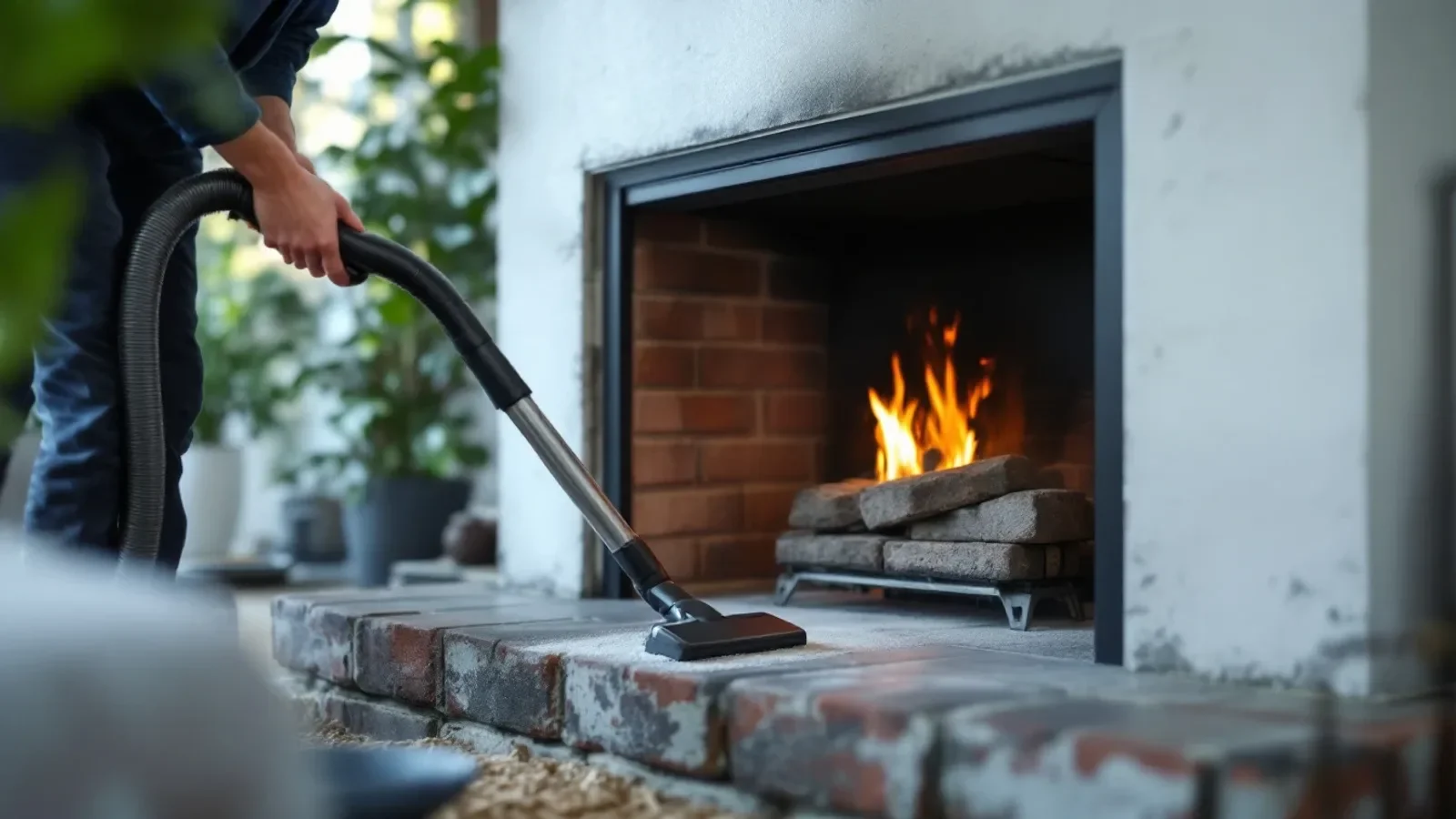
To manage this build-up between professional visits, you can follow simple maintenance habits. Learn more by reading our fireplace soot buildup prevention tips to keep your hearth clean. Regularly clearing out cooled ash and vacuuming the hearth area can significantly reduce the baseline smoky smell in your home.
Solving the Smelly Chimney Dilemma
Masking fireplace odors with air fresheners, candles, or baking soda only provides temporary relief because it does not address the underlying accumulation of soot and creosote inside the flue. The most effective way to eliminate these odors permanently is to remove the physical material that is causing them.
Ready for the next step? Learn how chimney cleaning services in Sunnyvale can help and reach out to the team.
A comprehensive sweep and inspection by a professional team will remove the sticky creosote, clean out loose soot, clear away debris, and ensure your damper is sealing properly. If you are experiencing persistent odors, scheduling a professional chimney cleaning is the best way to restore clean, odor-free air to your home.
Frequently Asked Questions
Why does my fireplace smell like a campfire when it is not raining?
High outdoor humidity and indoor air conditioning create a pressure imbalance that draws air down the chimney flue. As this air travels downward, it picks up the odor of existing creosote and soot, bringing a smoky smell into your home even on dry days.
Can I use baking soda to get rid of fireplace odors?
While placing a bowl of baking soda in the firebox can help absorb mild, localized odors temporarily, it will not stop drafts from pulling heavy creosote smells down from high up in the chimney flue. A professional sweeping is required to remove the source of the smell.
How do I know if my fireplace odor is dangerous?
A simple woodsmoke or campfire smell usually indicates creosote buildup or pressure issues. However, if you smell rot, natural gas, or a chemical burning scent, you should contact a professional immediately to inspect the flue and ensure there are no structural or pest-related hazards.
Keep Your Sunnyvale Home Fresh and Safe
Don’t let a smelly fireplace ruin the comfort of your indoor living space. The team at Nation Wide Chimney Sweep & Repair is ready to help inspect, sweep, and restore your fireplace to pristine, odor-free condition. Reach out to our team today to schedule an expert assessment and enjoy clean, fresh indoor air once again.