Chimney Sweep Safety: Inspection Checklist for Sunnyvale Homeowners
Most people think a fireplace inspection is just about sweeping away a little bit of powdery ash, but a true safety assessment goes far deeper than the surface. In Sunnyvale, California, where historic craftsman cottages sit alongside mid-century ranch homes and modern estates, local fireplaces face unique stresses. From minor seismic shifts in the Santa Clara Valley to long periods of damp, foggy winters, the physical structure of your flue undergoes constant changes. Simply running a brush down the flue is not enough to guarantee your household is protected from structural damage, drafting issues, or sudden blockages.
A comprehensive safety check is a meticulous diagnostic process. It evaluates everything from the integrity of the masonry joints to the hidden accumulation of combustible residues. Homeowners who skip these technical checks risk venting hazardous combustion byproducts directly into their living spaces. To protect your property and ensure your venting system operates exactly as designed, it is crucial to understand the distinct levels of assessment and how to evaluate the work of a professional technician using a standardized chimney sweep safety checklist.
Understanding Inspection Standards: Level 1 vs. Level 2
When assessing a residential venting system, professional technicians do not rely on guesswork. They follow industry standards established by the National Fire Protection Association (NFPA 211), which categorizes evaluations into three distinct levels. For the vast majority of local properties, the decision-making process revolves around choosing between a Level 1 and a Level 2 assessment.
A Level 1 assessment is the baseline standard for a system that is not undergoing any changes. If you use your fireplace regularly, have not experienced any unusual performance issues, and plan to continue using the exact same appliance, this basic visual check is typically sufficient. During this process, the technician examines the readily accessible portions of the chimney exterior, interior, and the accessible fuel-burning appliance connections. The primary goal is to verify that the basic structure is sound, free of major obstructions, and showing no immediate signs of damage.
A Level 2 assessment is far more detailed and is required under specific circumstances. If you have recently purchased a home in the Santa Clara Valley, experienced a nearby seismic event, or plan to transition your fireplace from wood-burning to a modern gas insert, a Level 2 evaluation is mandatory. This process includes all the visual checks of a Level 1 assessment, plus the inspection of accessible areas such as attics, crawl spaces, and basements. Most importantly, it involves a video scan of the entire internal flue liner to search for hidden cracks, joint separation, or advanced degradation that cannot be seen from the hearth.
The Visual Hearth Assessment: Interior and Firebox Integrity
The safety evaluation begins right at the hearth, where the fire is built and contained. The physical components here must withstand extreme thermal stress while preventing heat transfer to the surrounding wooden framing of your home. A professional technician will closely examine the condition of the firebricks and the mortar holding them together. Over time, high temperatures can cause standard mortar to crumble, leaving gaps where heat and stray embers can reach combustible wall studs.
Beyond the firebox walls, the damper assembly requires careful physical testing. The damper must open fully and close tightly to regulate airflow and prevent conditioned indoor air from escaping when the fireplace is idle. A warped or rusted damper can restrict the exit of flue gases, causing smoke to back up into your living room. The technician will also check for the presence of soot and advanced chemical deposits. To learn more about how dangerous substances accumulate on these surfaces over time, read about the stages of decomposition in our Sunnyvale creosote stages guide.
The Internal Flue Scan: Assessing Structural Integrity and Obstructions
Once the hearth is verified as secure, the focus shifts to the interior of the flue. This is the path that carries hot gases, particulate matter, and carbon monoxide safely out of your home. Because the flue is entirely enclosed, a visual inspection from the hearth or the rooftop is insufficient for detecting hairline fractures or small gaps in the clay tiles or metal liner. This is where advanced video camera equipment becomes essential, allowing the technician to view the entire run of the chimney on a monitor.
If you want it handled correctly the first time, consider professional chimney cleaning in Sunnyvale.
During the internal scan, the technician is primarily looking for structural defects, debris, and chemical accumulation. Any crack in a clay flue tile, no matter how small, can allow heat or toxic gases to escape into the interior walls of your home. Additionally, the camera can pinpoint blockages such as bird nests, fallen bricks, or severe buildup of combustible residues. Recognizing these internal red flags is a key part of maintaining a secure hearth. For a complete breakdown of what to look for, consult our primary resource on chimney cleaning signs.
Rooftop Inspection: Chimney Crowns, Caps, and Exterior Masonry
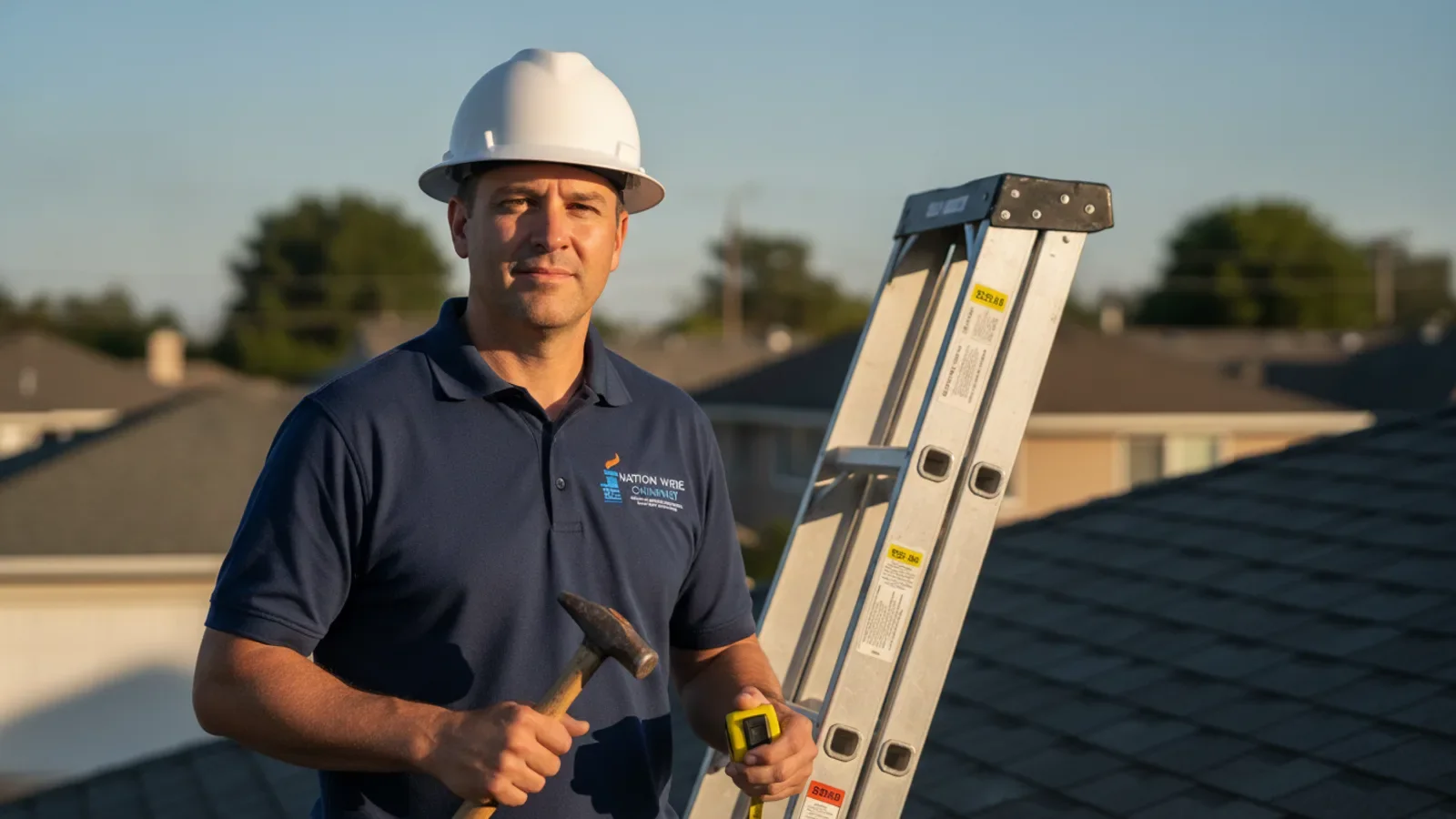
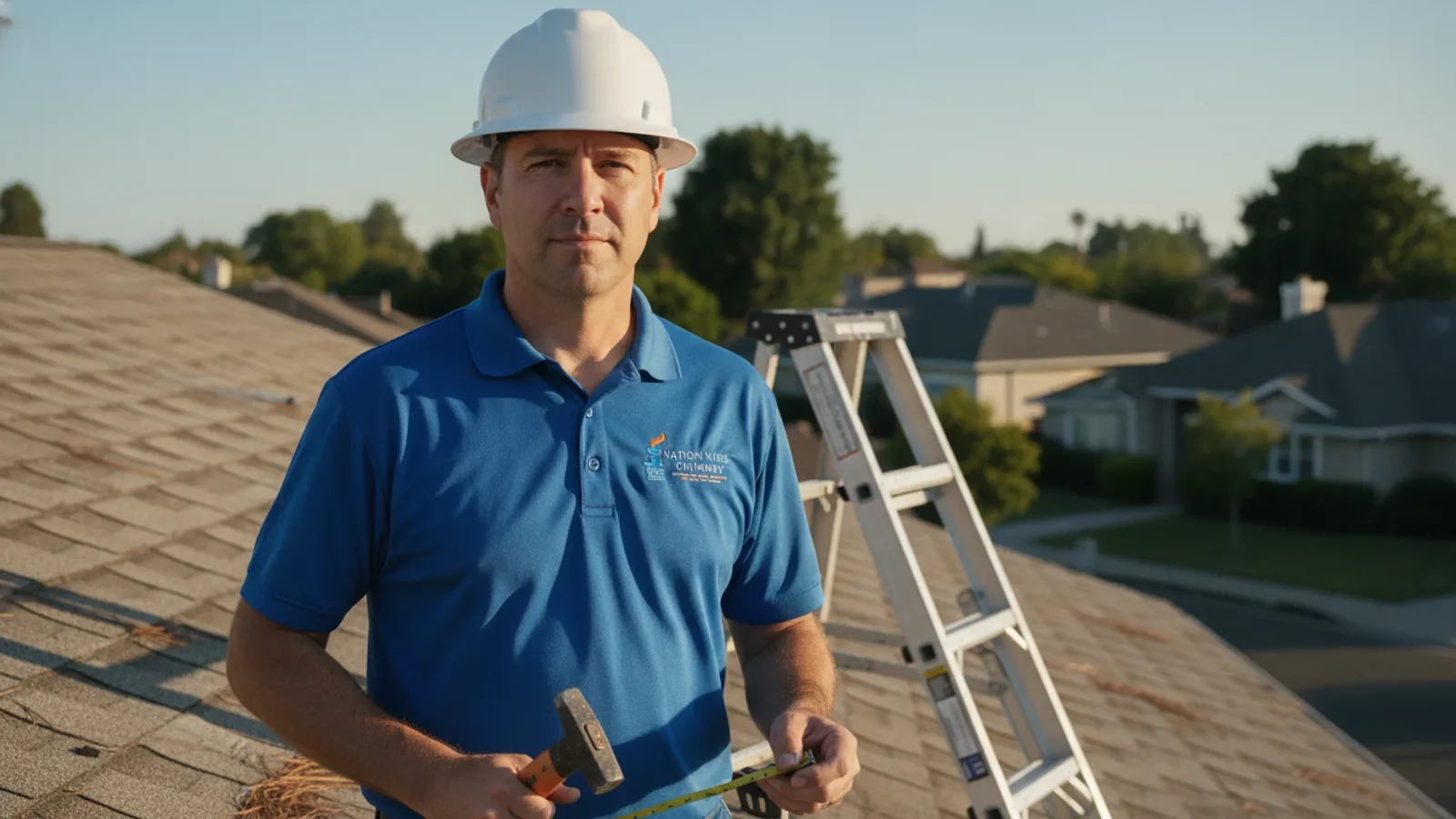
The final physical boundary of your venting system is the portion that extends above your roofline. This area bears the full brunt of the elements, making it highly susceptible to weather-related wear. A technician must ascend to the roof to check the structural health of the exterior masonry, the chimney crown, and the protective cap. The concrete crown at the top of the chimney must be free of cracks to prevent rainwater from seeping down into the bricks below.
The chimney cap and spark arrestor are also critical safety features. The cap prevents rain, debris, and local wildlife from entering the flue, while the mesh spark arrestor catches hot embers before they can land on your roof or nearby dry foliage. If the cap is missing or damaged, moisture can quickly ruin the internal flue liner, leading to expensive restoration work. If you are planning a service visit and want to understand how structural issues and access challenges influence overall pricing, you can read about Sunnyvale chimney sweep costs.
Comparison: Level 1 vs. Level 2 Safety Inspections
Choosing the right level of service ensures your fireplace receives the precise level of care it needs without unnecessary procedures. The table below outlines how these two standard inspection types compare across key structural and safety criteria.
| Inspection Criteria | Level 1 Assessment | Level 2 Assessment |
|---|---|---|
| Access Level Required | Readily accessible areas of the hearth and exterior chimney structure. | Accessible areas including attics, crawl spaces, basements, and roof. |
| Internal Flue Examination | Basic visual check from the hearth and the rooftop. | Complete internal video camera scan of the entire flue liner. |
| Seismic & Structural Changes | Not covered (assumes no structural changes or events have occurred). | Fully evaluates system integrity after earthquakes or structural shifts. |
| Appliance Modifications | Not applicable (only for unchanged, existing fireplace configurations). | Required when changing fuel types or installing a new insert. |
| Typical Frequency | Annually during routine fireplace maintenance and cleaning. | Upon home sale, after a chimney fire, or when modifying the system. |
Which Is Right for Sunnyvale Homes?
In Sunnyvale, deciding between a Level 1 and a Level 2 safety evaluation depends heavily on your property’s history and structural condition. Many homes in older, established neighborhoods feature original unreinforced brick chimneys that have experienced decades of minor, unnoticed ground movement. If you reside in one of these classic properties, or if you have recently purchased a home and do not have a documented maintenance history, starting with a Level 2 video scan is highly recommended. This ensures that any deep structural settling has not compromised the hidden pathways of your flue.
Many Sunnyvale homeowners rely on expert chimney cleaning in Sunnyvale for exactly this.
On the other hand, if your home features a modern, professionally installed fireplace insert that you service every year, a Level 1 assessment is usually perfectly adequate. This annual check verifies that the system remains clear of soot, creosote, and debris while confirming that all mechanical components are working correctly. Whichever path you choose, ensuring that your system is cleaned and evaluated by a qualified professional is the most effective way to keep your home safe. To schedule an appointment or to have your flue professionally evaluated, contact our team for a detailed chimney cleaning service.
Our Local Service Footprint in Sunnyvale, CA
Sunnyvale’s unique climate and architectural diversity require a localized approach to fireplace safety. Our coastal-influenced weather brings damp, foggy mornings and cool evening temperatures, which often leads to moisture condensation inside local flues. This moisture can mix with fireplace soot, accelerating the breakdown of traditional mortar joints and encouraging the rapid development of corrosive creosote. Our technicians are deeply familiar with the local housing stock, from the mid-century modern Eichler homes in the Fairbrae neighborhood to the historic structures near Downtown Sunnyvale. We understand how these different building styles age and how to protect their masonry systems from local environmental factors.
Frequently Asked Questions
What is the difference between a chimney sweep and an inspection?
A chimney sweep focuses on the physical removal of soot, creosote, and blockages from the flue and firebox. An inspection is a detailed diagnostic assessment that evaluates the structural integrity, safety, and code compliance of the entire venting system using specialized tools and protocols.
How often should I have my chimney inspected for safety?
According to the National Fire Protection Association, chimneys, fireplaces, and vents should be inspected at least once a year. Even if you do not use your fireplace frequently, an annual check is important to ensure that animal nests, debris, or moisture have not blocked the flue.
Is a video scan always necessary during an inspection?
A video scan is not required for a standard Level 1 annual check, but it is a mandatory component of a Level 2 inspection. It is highly recommended if you are buying or selling a home, experiencing drafting issues, or if the chimney has gone several years without professional maintenance.
Can I perform a chimney safety inspection myself?
While homeowners can perform basic checks like testing the damper or looking for visible cracks in the firebox, a complete safety inspection requires specialized diagnostic tools, ladders, roof safety gear, and training to recognize hidden structural defects and code compliance issues. It is best to leave this work to a licensed professional.
Schedule Your Fireplace Safety Assessment Today
A safe fireplace is the heart of a comfortable home. Do not leave the safety of your property to chance by neglecting the hidden areas of your flue. Our experienced team is ready to provide a thorough, professional assessment of your fireplace and chimney, ensuring that every component meets strict structural standards. Contact Nation Wide Chimney Sweep & Repair today to schedule your comprehensive safety check and enjoy complete peace of mind all winter long.