What Factors Drive the Cost of Chimney Sweeping in Sunnyvale
When a fireplace sits unused for years, the damage accumulates quietly. Creosote hardens into a stubborn glaze, mortar joints soften from moisture cycling, and a chimney that looked fine from the living room becomes a fire hazard by the time anyone notices. In Sunnyvale, where mild winters tempt homeowners to skip seasonal maintenance, that quiet neglect tends to compound. The cost of correcting a badly neglected chimney is almost always higher than the cost of routine sweeping would have been. Understanding what goes into a sweeping estimate helps you plan ahead, ask the right questions, and avoid surprises when the technician arrives.
This guide walks you through every variable that shapes a chimney sweeping quote in Sunnyvale, from the physical dimensions of your flue to the condition of your firebox. For a full picture of what the service itself involves, see our complete Sunnyvale chimney cleaning guide.
Before You Start: What to Know About Chimney Sweeping Estimates
- No two chimneys are identical. Height, liner type, fuel type, and years since the last service all affect the scope of work.
- An inspection usually precedes a firm quote. A technician needs to see the actual condition of the flue before committing to a final price.
- Sunnyvale’s mild climate creates a specific maintenance pattern. Because residents use fireplaces less frequently than homeowners in colder climates, chimneys here often go longer between services, which can increase the work required when cleaning does happen.
- Bundled services change the math. Combining a sweep with an inspection or a minor repair during the same visit is often more efficient than scheduling separately.
- Scheduling timing matters. Demand for chimney sweeps in the South Bay rises sharply in October and November. Booking earlier in the fall typically means more scheduling flexibility.
Step 1: Account for Chimney Height and Flue Length
The physical size of your chimney is one of the most straightforward cost drivers. A taller chimney requires more time to sweep from top to bottom, more equipment to reach the crown safely, and more effort to remove debris from a longer flue column. In Sunnyvale’s residential neighborhoods, single-story ranch homes from the 1950s and 1960s typically have shorter, more accessible chimneys. Two-story homes built in the 1970s and 1980s, common in areas like Lakewood Village and Borregas, often have taller chimneys that add to the scope. If your chimney serves multiple fireplaces on stacked floors, each flue is generally treated as a separate unit for estimating purposes.
Step 2: Factor In the Level of Creosote Buildup
Creosote is the combustion byproduct that deposits inside your flue every time you burn wood. It comes in three stages: a loose, dusty form that brushes away easily; a flaky or tar-like form that requires more aggressive tools; and a hardened, glazed form that may need chemical treatment before mechanical removal can even begin. The further along the buildup, the more labor and specialized equipment the job demands.
Sunnyvale homeowners who burn wood occasionally during the three or four cool months of the year may not realize how quickly stage-two buildup develops when fires are made with green or wet wood. If your last sweep was more than two or three seasons ago, or if you have never had the flue cleaned since moving in, there is a reasonable chance the technician will find buildup that requires extra work. You can get a sense of what to look for before the appointment by reviewing the visual signs of creosote accumulation.
Step 3: Consider Chimney Accessibility and Roof Pitch
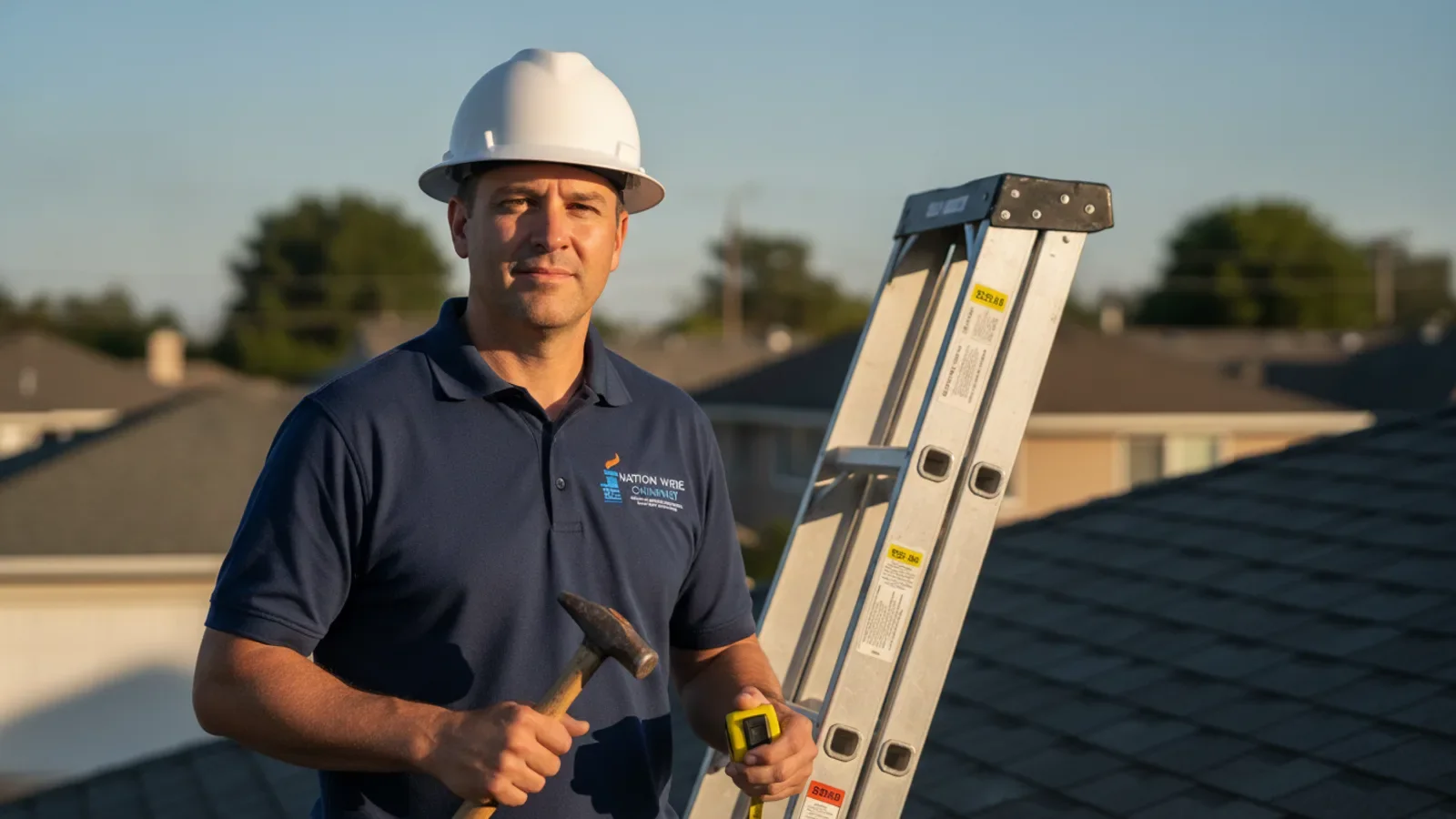
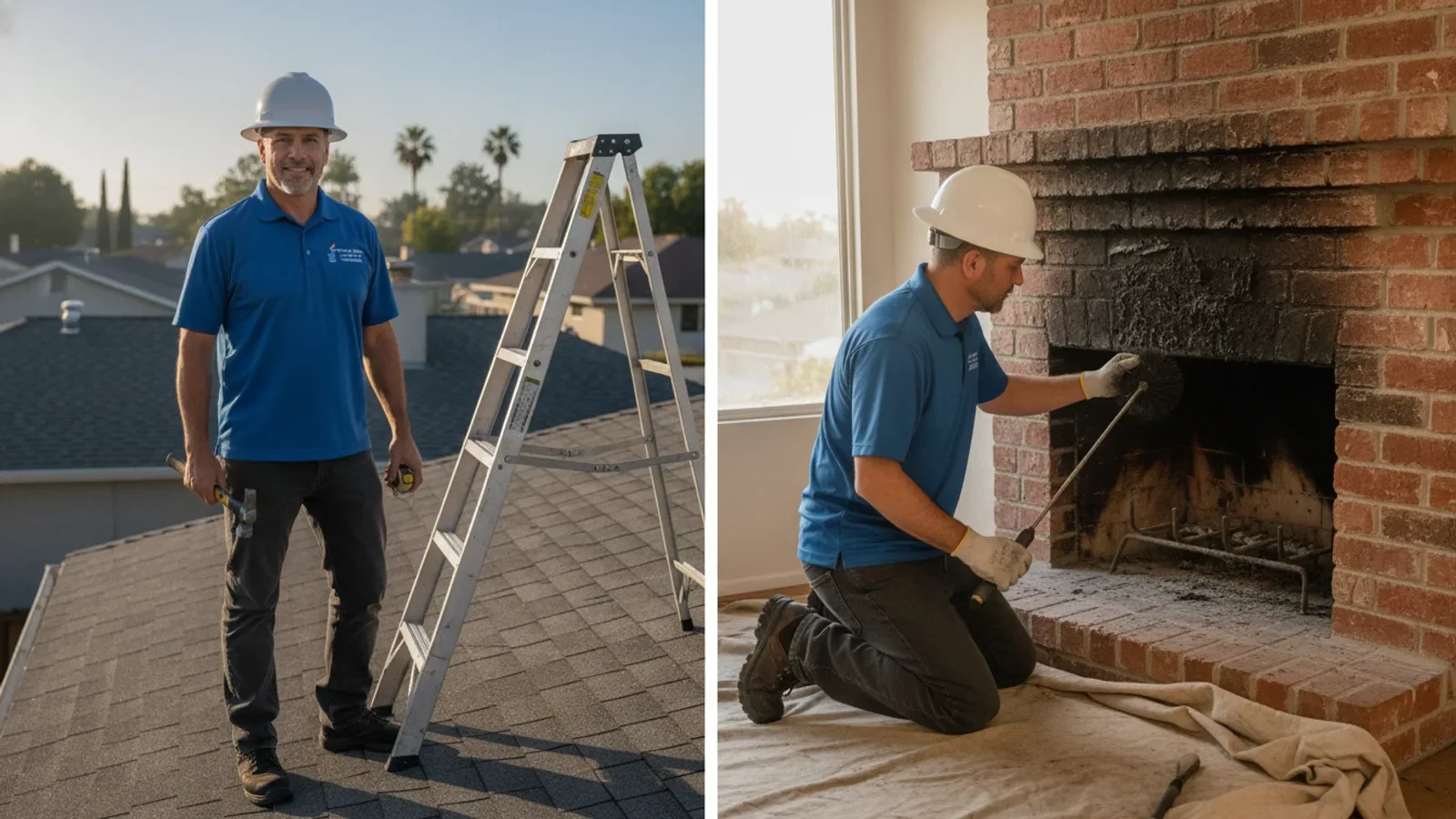
Getting to the top of your chimney safely is not always straightforward. Steep roof pitches, tile roofing that can crack under foot traffic, and chimneys set far back from accessible eaves all affect how long setup takes and what safety equipment the crew needs to bring. Sunnyvale’s housing stock includes a mix of low-slope composition roofs on mid-century homes and steeper-pitched roofs on newer construction. Spanish-tile roofs, which appear frequently on homes built in the 1980s and 1990s, require extra care to avoid damaging the tiles during access, and that care takes time.
Chimneys that can be swept from inside the firebox using a bottom-up approach are sometimes less affected by roof accessibility, but that method has its own limitations depending on flue liner type and the amount of debris present. The technician will assess the best approach on-site.
Step 4: Identify Your Flue Liner Type
The material lining your flue influences both the tools used and the time required. Older Sunnyvale homes built before the 1980s sometimes have unlined masonry flues or clay tile liners that have aged significantly. Clay tile liners in good condition are straightforward to sweep, but cracked or spalled tiles require careful handling and may flag the need for a follow-up repair. Stainless steel flexible liners, common in retrofitted or gas-converted fireplaces, have different cleaning requirements than rigid clay systems. Cast-in-place liners, occasionally found in homes where a previous repair was done, present their own set of considerations.
If your home has a gas fireplace insert that was added to an existing wood-burning firebox, the liner configuration may be more complex than a standard setup. Letting the technician know your fuel type and any known modifications before the appointment helps them arrive with the right equipment.
Step 5: Think About How Long Since the Last Service
If you want it handled correctly the first time, consider professional chimney cleaning in Sunnyvale.
A chimney that was swept last season is a very different job from one that has not been touched in five or ten years. Extended gaps between services allow debris, animal nesting material, and creosote to accumulate in ways that require significantly more time to clear. In some cases, a technician may need to make multiple passes or use rotary cleaning systems rather than standard brushes.
If you are unsure when the chimney was last serviced, or if you recently purchased the home and have no maintenance records, assume the job may fall into the more involved category. Purchasing a home in Sunnyvale without a chimney inspection on record is common, and a combined sweep-and-inspection visit is often the most practical starting point. For a broader look at what separates a thorough professional service from a surface-level cleaning, comparing DIY versus professional fireplace cleaning is worth reading before you book.
Step 6: Evaluate Whether Add-On Services Apply
A standard sweep covers the flue interior, the smoke chamber, and the firebox. But several additional services are commonly identified during or alongside a sweep, and each one affects the overall scope of the visit.
- Chimney inspection: A Level 1 inspection (visual check of accessible areas) is often included or bundled with a sweep. A Level 2 inspection using camera equipment is a separate service, typically triggered by a home sale, a change in fuel type, or a suspected structural issue.
- Damper cleaning or adjustment: A sticky or corroded damper is often discovered during a sweep. Cleaning or lubricating it adds minimal time but is worth addressing while the technician is already on-site.
- Firebox cleaning: Ash and debris in the firebox itself may or may not be included in a base sweep quote. Clarify this upfront.
- Cap and crown inspection: The chimney cap keeps rain, animals, and debris out of the flue. If it is damaged or missing, replacing it during the same visit saves a return trip.
- Smoke chamber parging: If the smoke chamber has rough masonry that traps creosote, a parge coat of refractory mortar can help. This is a separate repair service, not part of a standard sweep.
Understanding which of these apply to your chimney helps you compare quotes accurately. Two estimates that look different on paper may actually cover different scopes of work.
Step 7: Understand How Sunnyvale’s Local Market Conditions Play a Role
Sunnyvale sits in the heart of Silicon Valley, where the cost of operating a service business reflects the regional cost of labor, insurance, and equipment. Homeowners here are also dealing with a housing stock that spans a wide range of ages, from post-war bungalows in the Raynor Park neighborhood to newer townhomes near the Lawrence Expressway corridor. Older homes often have masonry chimneys that have been through decades of seismic activity, which can produce subtle cracks or mortar deterioration that a sweep will surface.
Santa Clara County also has specific air quality regulations managed by the Bay Area Air Quality Management District (BAAQMD). Wood-burning is restricted on Spare the Air days, which are declared regularly during winter months. While these rules do not directly affect the cost of sweeping, they do shape how Sunnyvale residents use their fireplaces, and a chimney that is used only a handful of times per season may still accumulate enough residue over several years to require a thorough cleaning. A well-maintained flue is also more efficient on the days when burning is permitted, which is a point worth keeping in mind as you plan your schedule.
Step 8: Ask the Right Questions Before Booking
Getting an accurate estimate starts with giving the technician accurate information. Before you call, gather the following:
- The approximate age of your home and chimney
- The type of fuel your fireplace uses (wood, gas, or a gas insert in a wood-burning firebox)
- Whether you have any known liner issues or past repairs
- The date of the last professional service, if known
- Any symptoms you have noticed, such as smoke backing up into the room, a strong odor from the firebox, or visible debris falling into the firebox
Sharing this information upfront allows the technician to give you a more realistic estimate before arriving, and it reduces the chance of scope changes mid-visit. For guidance on evaluating the technician or company you are considering, how to choose a chimney sweep in Sunnyvale covers the credentials and questions that matter most.
Step 9: Think Beyond the Sweep to Long-Term Efficiency
Many Sunnyvale homeowners rely on expert chimney cleaning in Sunnyvale for exactly this.
A chimney sweep is not a one-time fix. It is part of an ongoing maintenance rhythm that keeps your fireplace safe and performing well over time. Homeowners who schedule regular sweeps typically find that each visit is straightforward and involves less work than one following a long gap in service. That consistency also means the technician builds familiarity with your specific chimney, making it easier to spot changes or developing issues early.
Keeping your fireplace efficient between professional visits, including how you store and select firewood, how you manage airflow, and how you monitor the damper, can meaningfully reduce creosote accumulation. maintaining fireplace efficiency in Sunnyvale goes deeper on the habits that help extend the interval between major cleanings.
When to Call a Professional in Sunnyvale
Some situations call for a professional sweep regardless of where you are in your regular maintenance schedule:
- You notice smoke entering the room when the damper is open
- There is a persistent burning or tar-like smell even when the fireplace is not in use
- You hear scratching or movement in the flue, which may indicate an animal has nested inside
- You recently purchased the home and have no chimney service records
- Sunnyvale experienced a significant earthquake and you have not had a post-seismic inspection
- You switched from wood to gas, or added a gas insert to a wood-burning firebox, without a liner evaluation
- Visible debris, soot, or flaking material is falling into the firebox
In any of these situations, waiting until the next scheduled maintenance window is not advisable. A professional chimney cleaning can identify and address the issue before it becomes a structural or safety problem.
Frequently Asked Questions
Does a more expensive quote always mean better service?
Not necessarily. A higher quote may reflect additional scope, such as a Level 2 inspection or a liner evaluation, that a lower quote does not include. Compare what is actually covered in each estimate rather than the bottom-line number alone. Credentials, insurance, and experience matter more than price as a quality indicator.
How often should a Sunnyvale homeowner schedule a chimney sweep?
The Chimney Safety Institute of America recommends an annual inspection, with sweeping as needed based on use and buildup. In Sunnyvale, where fireplaces are used less frequently than in colder climates, some homeowners sweep every two seasons. A technician can advise on the right interval for your specific chimney and usage pattern after the first inspection.
Can I reduce the cost by doing any preparation myself?
Clearing the area around the firebox, removing fireplace tools and decor, and laying down a drop cloth are all helpful steps that save the technician setup time. Removing ash from the firebox before the visit is also useful, though the technician will handle any residue that remains. Avoid attempting to brush or clean the flue interior yourself, as improper technique can dislodge debris in ways that are difficult to correct.
Is a chimney sweep the same as a chimney inspection?
They are related but distinct services. A sweep removes combustion deposits and debris from the flue. An inspection evaluates the structural and operational condition of the chimney system. Many providers offer both together, and combining them in a single visit is usually the most practical approach, especially if you have not had either done recently.
What happens if the technician finds a problem during the sweep?
The technician will document what they find and explain the options. Minor issues, such as a deteriorated cap or a loose damper component, can often be addressed during the same visit. More significant repairs, such as a cracked liner or damaged masonry, will typically be quoted separately. You are not obligated to proceed with repairs on the spot, and a reputable technician will give you time to consider your options.
Making an Informed Decision for Your Sunnyvale Fireplace
Chimney sweeping is one of those maintenance tasks where the variables are real and the differences between jobs are meaningful. Chimney height, creosote stage, roof accessibility, liner condition, and years since the last service all combine to shape what a thorough cleaning actually involves. In Sunnyvale, where homes range from mid-century masonry builds to newer gas-insert setups, no single estimate fits every situation.
The most useful thing you can do before booking is gather the basic facts about your chimney and share them clearly when you call. That conversation gives the technician the context to give you a realistic estimate, and it gives you the information you need to evaluate what you are being quoted. When you are ready to schedule, book a chimney sweep appointment with Nation Wide Chimney Sweep and Repair and get a clear picture of what your specific chimney needs this season.