Chimney Cleaning in Sunnyvale: Your Complete Fireplace Winter Preparation Guide
That faint smoky smell drifting through your living room on the first cool October evening is your fireplace’s way of asking for attention. If you haven’t had a professional chimney cleaning since last season, Sunnyvale’s brief but real winter chill is closer than it seems. This guide walks you through everything a local homeowner needs to know, from how a chimney sweep works to what warning signs mean it’s time to call before the busy season arrives.
Why Chimney Cleaning Matters for Sunnyvale Homeowners
Sunnyvale sits in a climate where fireplaces often go weeks without use, then get fired up repeatedly when nighttime temperatures drop into the 40s. That stop-and-start pattern allows moisture to settle inside the flue and mix with unburned wood particles, accelerating creosote buildup even when total burn hours are relatively low.
Creosote is the byproduct of incomplete combustion. It coats the interior of your flue liner in layers ranging from a light, flaky dust to a hard, tar-like glaze. Each stage presents a different level of risk and requires a different cleaning approach. Left unchecked, heavy deposits can restrict airflow, cause poor draft, and create conditions that raise the risk of a chimney fire. A professional fireplace cleaning removes those deposits before they become a serious problem.
For a closer look at how to identify what stage of buildup you may already have, see our guide to recognizing creosote warning signs.
What a Professional Chimney Sweep Actually Does
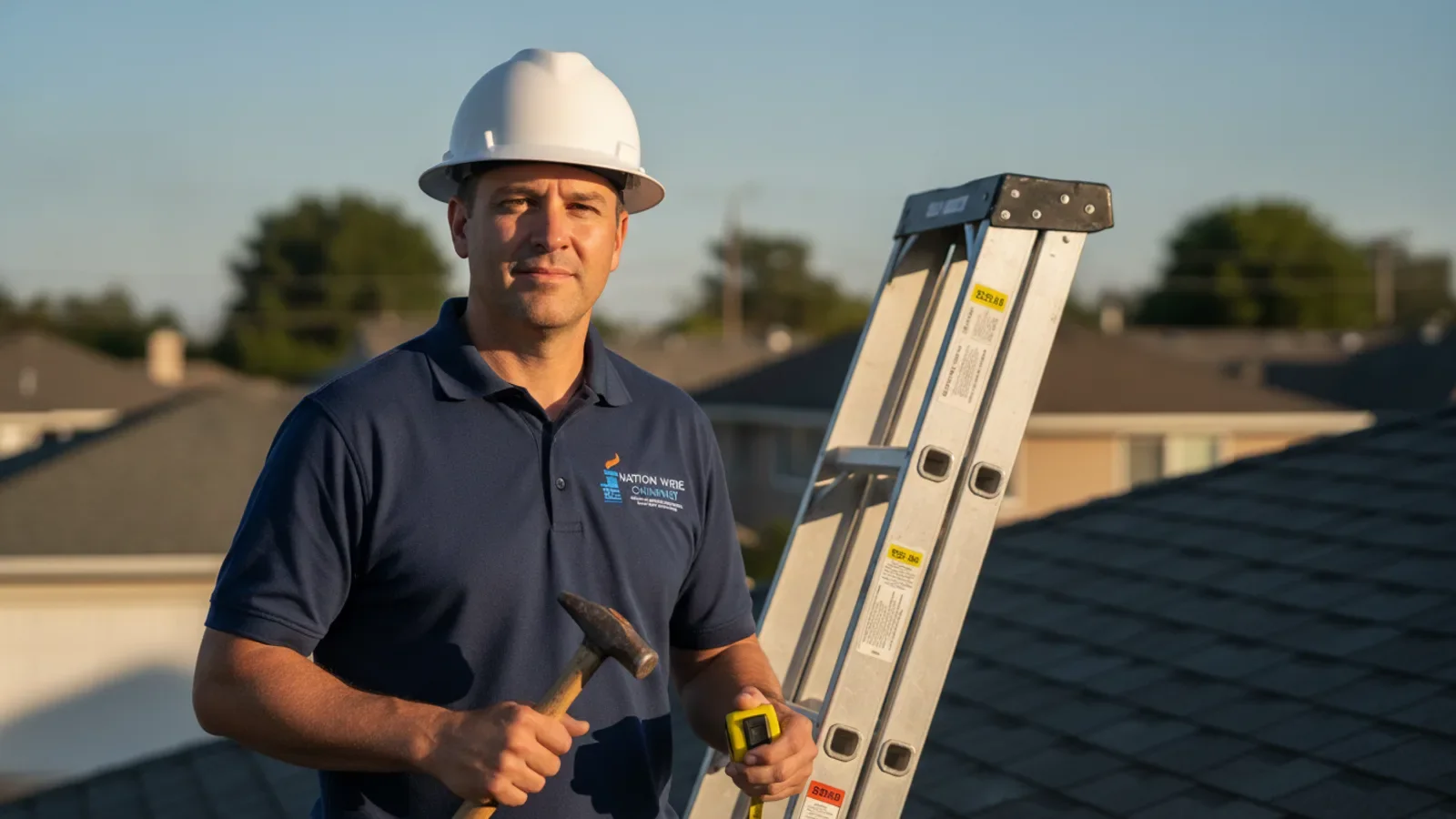
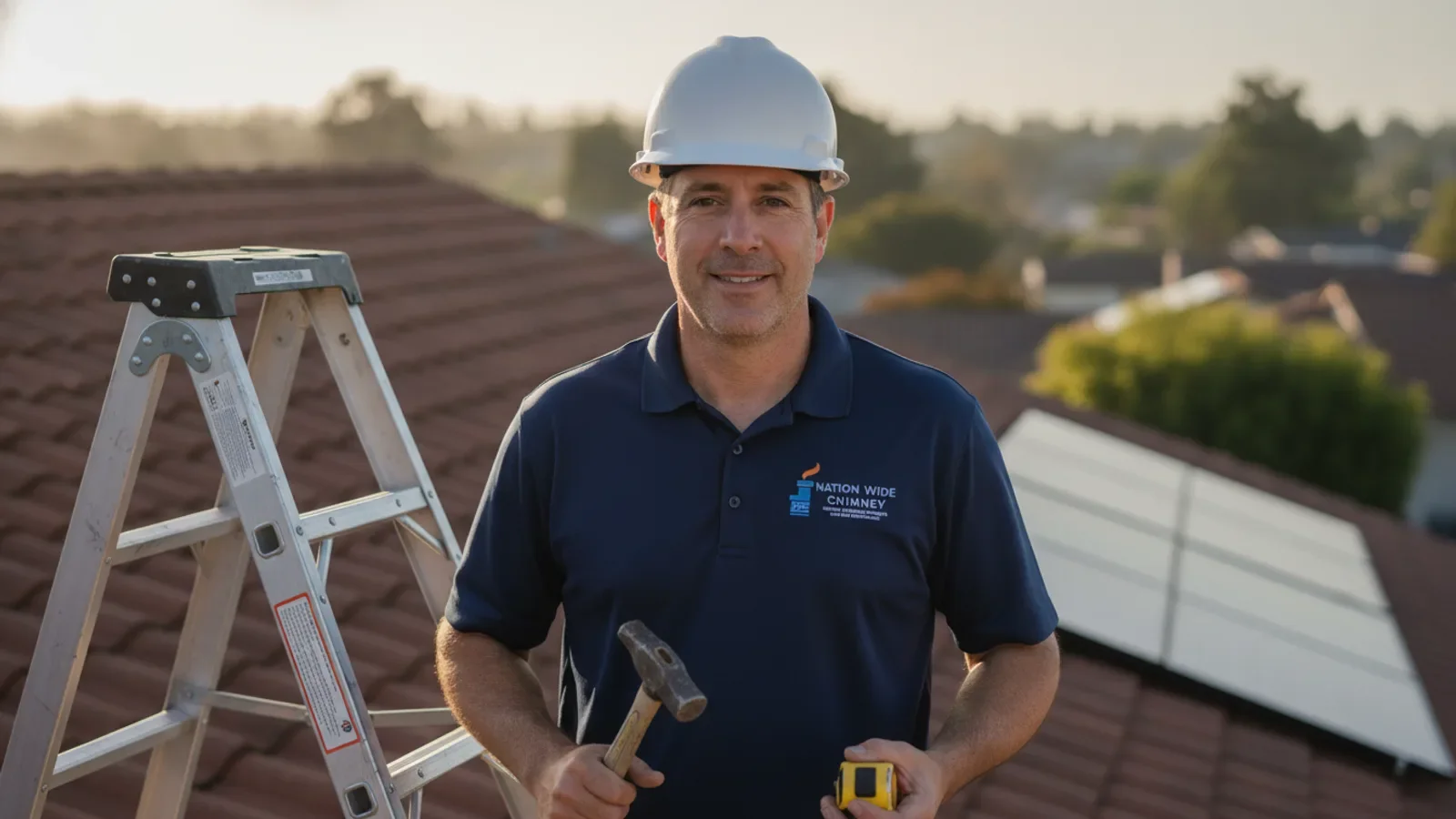
Many homeowners picture a chimney sweep as someone who simply brushes ash off the firebox floor. The actual process is considerably more thorough. Here is what a professional service inspection and cleaning covers from top to bottom:
- Exterior cap and crown inspection. The technician checks the chimney cap for damage or blockages (bird nests, debris, deteriorated mesh) and examines the crown for cracks that allow water intrusion.
- Flue liner inspection. Using a camera or mirror, the sweep assesses the condition of the liner for cracks, spalling, or sections where creosote has reached a hazardous thickness.
- Rotary or brush cleaning. Specialized brushes sized to your flue diameter are worked through the liner from the top or bottom to dislodge deposits. A rotary system is often used for heavier, glazed creosote.
- Smoke chamber and smoke shelf cleaning. The shelf directly above the damper collects falling debris and is a common spot for creosote accumulation that restricts airflow.
- Damper inspection. The sweep confirms the damper opens, closes, and seals properly. A warped or corroded damper wastes energy and lets cold drafts into the home.
- Firebox cleaning. Ash and debris are vacuumed from the firebox using HEPA-filtered equipment to keep soot out of your living space.
- Written findings. A reputable sweep provides a summary of what was found, what was cleaned, and any repairs worth addressing before the season begins.
If you are weighing whether to attempt any part of this yourself, our comparison of DIY versus professional fireplace cleaning lays out where homeowner maintenance ends and professional work begins.
Sunnyvale’s Housing Stock and What It Means for Your Chimney
Sunnyvale’s residential neighborhoods include a significant number of homes built between the 1950s and 1980s, particularly in areas like Lakewood Village, Borregas, and the tracts surrounding El Camino Real. Chimneys in homes of that era were frequently built with clay tile liners, which are durable but prone to cracking as the tile joints age and the liner cycles through temperature changes over decades.
Homes built before the mid-1970s may also have flues that were sized for larger, open-burning fireplaces that are no longer in use, or that were never updated when a gas insert was added. An undersized or oversized flue relative to the appliance it serves affects draft quality and can cause smoke to back up into the living space.
The Santa Clara Valley’s seismic activity adds another layer of concern specific to this area. Even a moderate earthquake can shift mortar joints or crack a clay tile liner without any visible exterior damage. Homeowners who have not had an inspection since a notable seismic event should prioritize that before the heating season. Our team is familiar with the post-earthquake inspection process described in the post-earthquake chimney inspection checklist for Sunnyvale homes.
Bay Area air quality regulations also affect how and when wood-burning fireplaces can be used. The Bay Area Air Quality Management District issues Spare the Air alerts that restrict wood burning on high-pollution days. Homeowners with a clean, well-maintained fireplace and a properly functioning damper are better positioned to use their system on the days burning is permitted.
When to Schedule Your Chimney Cleaning in Sunnyvale
If you want it handled correctly the first time, consider professional chimney cleaning in Sunnyvale.
The short answer: before you need the fireplace. Late summer through early fall is the optimal window for a few practical reasons.
Scheduling earlier in the season means more appointment availability and less pressure to rush. Once cooler weather arrives and homeowners start noticing smoke problems or draft issues, demand for chimney sweeps in the South Bay increases noticeably. Booking in August or September typically means you get your preferred time slot and the technician has time to address any repair findings before the first fire of the season.
As a general guideline, the National Fire Protection Association’s NFPA 211 standard recommends that chimneys, fireplaces, and venting systems be inspected at least once a year and cleaned when deposits warrant it. For a wood-burning fireplace used regularly through a season, that means an annual cleaning is a reasonable baseline. For a fireplace used only occasionally, inspection findings will determine whether cleaning is needed.
To understand what goes into choosing the right professional for the job, our guide to selecting a chimney sweep in Sunnyvale covers the credentials and questions worth asking.
Warning Signs Your Fireplace Needs Attention Now
Some indicators don’t wait for a scheduled appointment. If you notice any of the following, it’s worth reaching out sooner rather than later:
- Smoke backing into the room when the damper is fully open. This can signal a blocked flue, a draft problem, or heavy creosote reducing the effective opening.
- A strong, oily or asphalt-like odor coming from the fireplace, especially in warm weather or after rain. This is often a sign of third-degree creosote (the glazed, tar-like form) and warrants prompt professional attention.
- Black, oily staining around the firebox opening or on the front face of the fireplace. This suggests smoke is not drafting correctly.
- Visible debris or animal nesting material in the firebox. Chimney swifts and starlings commonly nest in uncapped flues in the Bay Area.
- A damper that sticks, won’t seal fully, or feels corroded. A faulty damper affects both efficiency and safety.
- White staining (efflorescence) on the exterior masonry. This indicates water is penetrating the chimney structure, which accelerates deterioration of mortar and liner materials.
For a more detailed breakdown of what creosote looks and smells like at each stage, the creosote warning signs guide covers each stage with practical descriptions.
Chimney Cleaning vs. Chimney Inspection: Understanding the Difference
| Service | What It Covers | When It’s Needed |
|---|---|---|
| Level 1 Inspection | Visual check of accessible portions of the chimney, firebox, and flue. No special tools required. | Annually, when no changes to the system have been made and no unusual events have occurred. |
| Level 2 Inspection | All Level 1 areas plus attic, crawl space, and video scanning of the flue interior. Identifies hidden cracks or liner damage. | After a chimney fire, earthquake, home sale, or when a new appliance is installed. |
| Chimney Cleaning / Sweep | Physical removal of creosote, soot, ash, and debris from the flue, smoke chamber, and firebox. | When inspection finds deposits, or annually for regularly used wood-burning fireplaces. |
| Chimney Repair | Tuckpointing, liner relining, crown repair, cap replacement, damper replacement. | When inspection reveals structural or component damage that affects function or safety. |
Cleaning and inspection are complementary services, not interchangeable. A cleaning removes what’s there; an inspection tells you the condition of the system. Most professional visits combine both, but it’s worth confirming what is included when you schedule.
For a fuller picture of what influences the overall service investment, the breakdown of chimney sweeping cost factors in Sunnyvale explains the variables that affect what you’ll pay.
Keeping Your Fireplace Efficient Between Professional Visits
A professional cleaning sets the baseline, but a few homeowner habits help keep the system in better shape between appointments.
Burn only seasoned hardwood. Wood that has been split and dried for at least a year burns hotter and produces significantly less creosote than green or wet wood. In the Bay Area, seasoned oak, almond, and fruit woods are commonly available and burn well.
Many Sunnyvale homeowners rely on expert chimney cleaning in Sunnyvale for exactly this.
Keep fires burning at a reasonable temperature rather than smoldering. Low, slow fires produce more smoke and more unburned particles, which condense on the cooler upper portions of the flue as creosote. A fire that burns hot and bright for a shorter period is generally preferable to a long, low smolder.
Close the damper fully when the fireplace is not in use. An open damper in a Bay Area home during spring and summer lets conditioned air escape and allows moisture from marine layer humidity to enter the flue, which contributes to corrosion and accelerates liner wear.
Check the chimney cap periodically from ground level. After windstorms, debris can lodge against or inside the cap. A blocked cap restricts draft and can force smoke back into the home on the first fire of the season.
For a more complete set of maintenance practices, our fireplace efficiency maintenance guide for Sunnyvale covers the full seasonal routine.
Frequently Asked Questions
How often should I have my chimney cleaned in Sunnyvale?
For a wood-burning fireplace used regularly through the heating season, an annual cleaning is a reasonable standard. If you use the fireplace only a few times per year, an annual inspection will determine whether cleaning is warranted based on actual deposit levels. Gas fireplaces still benefit from annual inspection even if cleaning needs are minimal.
Can I use my fireplace before getting it cleaned?
If it has been more than a year since the last inspection, or if you notice any of the warning signs described above, it’s worth having the system checked before lighting a fire. Burning with a blocked or heavily coated flue can push smoke into the living space or, in the case of heavy creosote, create conditions that increase fire risk.
What is creosote, and is all of it dangerous?
Creosote is a residue that forms when smoke cools and condenses on the interior of the flue. It progresses through three stages: a light, flaky dust (Stage 1), a crunchy, porous deposit (Stage 2), and a hard, glazed, tar-like coating (Stage 3). Stage 1 is routine and easily brushed away. Stage 3 is much harder to remove and presents a more serious concern, often requiring specialized chemical treatments or rotary cleaning equipment.
Does Sunnyvale’s mild climate mean I don’t need annual cleaning?
Mild winters actually create conditions that can accelerate creosote buildup in some cases. Cooler flue temperatures from low-intensity fires, combined with the moisture from Bay Area marine layer air, mean deposits can form even with relatively light use. The frequency of cleaning should be based on inspection findings, not assumptions about climate.
What should I expect on the day of a chimney sweep appointment?
The technician will typically lay drop cloths around the hearth area to protect flooring and furniture, then work from the firebox up or from the rooftop down depending on the system and access. A HEPA-filtered vacuum keeps soot contained. The visit usually takes between one and two hours for a standard single-story wood-burning fireplace, and the technician should walk you through any findings before leaving.
Do gas fireplaces need chimney cleaning too?
Gas fireplaces produce far less creosote than wood-burning systems, but they still require annual inspection. The flue can accumulate debris, moisture, and in some cases bird or animal nesting material. The venting components, burner, and pilot assembly also benefit from periodic professional review to confirm everything is operating as intended.
Ready to Schedule Your Sunnyvale Chimney Cleaning?
Getting your fireplace ready before the first cold snap of the season is a straightforward process when you work with a sweep who knows Sunnyvale’s housing stock, local air quality rules, and the specific challenges that Bay Area chimneys face. Nation Wide Chimney Sweep & Repair serves homeowners throughout Sunnyvale and the surrounding South Bay communities with professional chimney cleaning, inspection, and repair services.
Contact us to schedule your pre-season chimney inspection and cleaning and go into winter knowing your fireplace is ready. Our team is available to answer questions, walk you through findings, and help you prioritize any repairs that come up during the visit.