How Can I Tell If My Chimney Mortar Is Deteriorating?
How can I tell if my chimney mortar is deteriorating? If you notice fine sand-like grit on your roof, small pieces of gray concrete falling into your fireplace firebox, or hairline cracks running through the joints between your bricks, your mortar is actively failing. For homeowners in Sunnyvale, California, catching these symptoms early is the difference between a simple, proactive maintenance service and an emergency structural rebuild. If left untreated, crumbling mortar joints allow rainwater to seep deep behind the brickwork, leading to extensive masonry damage during our seasonal winter downpours.
While the exterior of your fireplace might look solid from your backyard or patio, the mortar holding those heavy bricks together has a much shorter lifespan than the clay bricks themselves. Over years of seasonal shifts and exposure to coastal moisture, the binder holding your chimney together slowly dissolves. Recognizing when to intervene keeps your home safe, dry, and structurally sound year-round.
The Silent Cracking of Santa Clara Valley Masonry
Many homes in Sunnyvale, particularly those built during the mid-century suburban expansion or the custom residential booms of the late twentieth century, feature beautiful, prominent brick chimneys. These structures face a unique architectural challenge shaped by the local environment. Sunnyvale features a distinct Mediterranean climate, characterized by warm, dry summers and cool, concentrated wet winters. While we do not experience the freezing blizzards of other regions, our chimneys suffer from a localized cycle of thermal expansion and heavy winter saturation.
During the dry summer months, the intense California sun bakes the exterior brick and mortar, causing the materials to expand. When the winter rain arrives, those warm, dry masonry joints absorb water like a sponge. As temperatures fluctuate between sunny winter afternoons and chilly, damp nights, the moisture trapped within the mortar joints causes microscopic movement. Over decades, this constant shifting weakens the bond between the brick and the mortar. Additionally, many of the older homes in the area were built using historic mortar formulas that are softer and more porous than modern mixtures, making them highly susceptible to progressive wear and erosion.
Recognizing the Warning Signs of Mortar Decay
Mortar deterioration does not happen overnight, but it does follow a predictable path of decay. The most common warning sign is a process called spalling. This occurs when moisture gets trapped behind the face of the brick or mortar joint, causing the outer surface to flake, peel, or pop off entirely. If you find small, flat pieces of brick or chunks of sandy gray material accumulating on your shingles or in your gutters, your chimney is actively spalling.
Another clear indicator is the presence of gaps or deep recessions between the bricks. When a chimney is constructed, the mortar should be flush or neatly struck to shed water. If you can look up at your chimney stack and see deep shadows or hollow voids where the mortar used to be, water is now able to pool inside those horizontal shelves. Over time, this pooling water works its way downward, rusting out the steel fireplace dampers, rotting the wooden framing behind the drywall, and causing interior plaster damage around your hearth. If you notice damp walls or musty odors near your fireplace after a winter storm, it is highly likely that water is bypassing your exterior defense system through degraded mortar.
The Solution: Professional Mortar Repointing
When the joints between your bricks begin to crumble, the correct remedy is a specialized process known as repointing or tuckpointing. This is not a simple DIY project of rubbing new mortar over the existing cracks. Applying a thin cosmetic layer of new mortar over old, crumbling joint material is a temporary patch that will quickly peel off within a single season, often trapping even more moisture underneath and accelerating the decay.
If you want it handled correctly the first time, consider professional chimney repair in Sunnyvale.
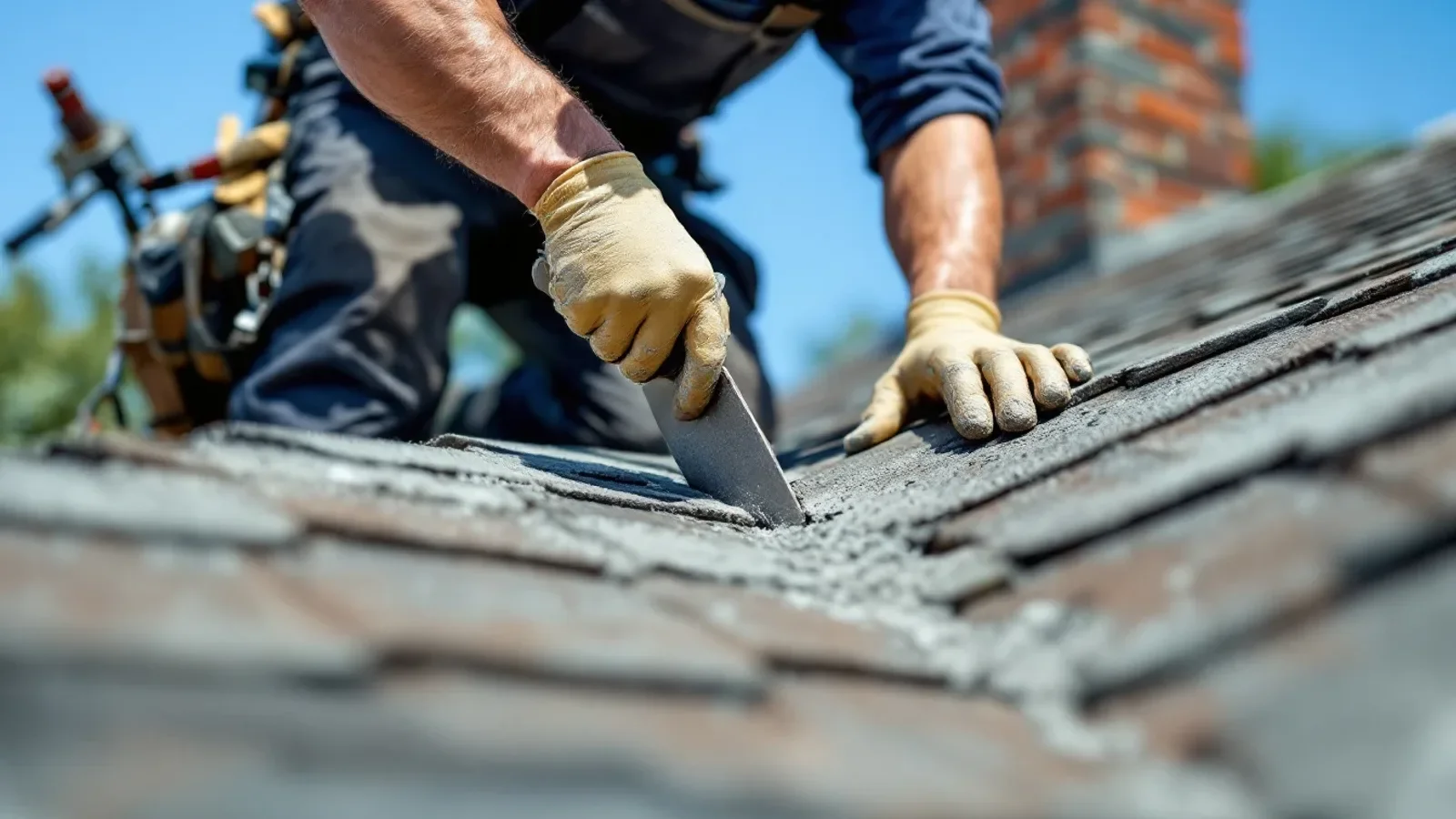
A professional masonry restoration requires systematically grinding out the damaged, sandy mortar to a uniform depth, typically about a half-inch to three-quarters of an inch deep. Once the old, compromised material is cleared away and the joint is thoroughly cleaned, new mortar is carefully packed into the gaps in thin layers. The new mortar must be carefully formulated to match the strength, flexibility, and color of the original masonry. Using a mortar mix that is too hard can actually cause the surrounding bricks to crack under thermal pressure, which is why matching the composition to the age of your chimney is vital. For a complete understanding of how this process fits into overall structural health, read our comprehensive guide on chimney repair services.
What to Expect After Your Chimney Joints Are Restored
Once your chimney has undergone a professional repointing, the transformation is both structural and aesthetic. Visually, the clean, uniform joints restore the sharp, classic look of your brickwork, instantly boosting your home’s curb appeal. Structurally, the new mortar forms a watertight barrier that prevents rain from penetrating the chimney envelope, keeping your fireplace interior dry and free from musty smells.
In the weeks and months following the service, you will notice that sandy grit no longer accumulates on your roof or in your fireplace firebox. The masonry will be prepared to handle the transition from hot summer days to wet winter storms without further cracking. To keep your restored system in peak condition and prevent future issues, it is highly recommended to explore the best methods for how to keep your chimney dry after repair, ensuring your investment remains protected against the elements for decades to come.
How Mortar Integrity Protects Your Fireplace Interior
Your chimney is an integrated system where the exterior masonry directly impacts the safety and function of the interior fireplace. When mortar joints fail, they do not just threaten the stability of the brick stack; they also allow water to bypass the chimney flashing and run down into the fireplace throat. This localized moisture can lead to rusting of the damper assembly, making it difficult to open and close properly, and can degrade the firebrick inside the firebox.
Moisture inside the chimney also mixes with soot and creosote deposits, creating a highly corrosive acidic mixture that eats away at clay flue liners and produces an unpleasant, smoky odor that drafts back into your living room on warm days. Ensuring your exterior mortar is intact is the first line of defense in maintaining a safe, drafting fireplace. If you are experiencing drafting issues or damp hearth smells during the rainy season, you can learn more about why rain dampens your fireplace to diagnose the connection between moisture and performance.
Investing in Local Masonry Preservation
Maintaining a brick chimney in Sunnyvale requires an understanding of how local soil conditions, earthquake safety standards, and regional weather patterns affect masonry structures. Because chimneys are tall, heavy, and narrow, they are highly sensitive to ground movement and structural settling. Cracked or missing mortar joints significantly weaken the lateral strength of the chimney stack, making it much more vulnerable to damage during minor seismic tremors.
Many Sunnyvale homeowners rely on expert chimney repair in Sunnyvale for exactly this.
Proactive repointing is a highly effective way to reinforce the structural integrity of your chimney without the need for a costly, disruptive complete rebuild. Addressing mortar erosion when it is confined to the outer joints preserves the original brickwork and extends the lifespan of your fireplace by decades. When you notice the first signs of sandy runoff or hairline cracks, consulting a qualified local specialist is the best way to determine the exact scope of care your home needs. Learn more about choosing the right partner in our guide on hiring a Sunnyvale masonry repair specialist to ensure your home receives the highest level of craftsmanship.
Frequently Asked Questions
What is the difference between repointing and tuckpointing?
Repointing is the structural process of grinding out damaged, crumbling mortar and filling the joints with fresh mortar to restore the chimney’s watertight seal. Tuckpointing is a cosmetic variation of this process where contrasting mortar colors are used to create the visual illusion of perfectly straight, thin joints on uneven brickwork.
Can I use standard hardware store mortar to patch my chimney?
Using generic, pre-mixed hardware store mortar is not recommended because modern retail mixes are often highly rigid and contain portland cement formulas that are too hard for older bricks. Using the wrong mortar type can trap moisture and cause the faces of your historic bricks to crack and pop off during natural temperature fluctuations.
How long does professional chimney mortar repointing last?
When performed correctly by experienced professionals using high-quality materials matched to your chimney’s specific age and composition, a repointing job can easily last several decades. Regular inspections and applying a breathable, water-repellent sealant can extend this lifespan even further by protecting the joints from heavy winter rains.
Does crumbling mortar mean my chimney is going to fall over?
Not necessarily, but crumbling mortar is an early warning sign that the structure is losing its strength. If left unaddressed for several years, water penetration will eventually rot the internal wood framing, rust the reinforcement ties, and cause the brickwork to lean, shift, or become a serious structural hazard.
Protect Your Sunnyvale Home Today
Do not wait for winter rains to turn minor mortar cracks into expensive structural damage. If you have spotted crumbling mortar, sandy debris on your roof, or moisture near your hearth, the team at Nation Wide Chimney Sweep & Repair is here to help. We provide precise, durable chimney mortar restoration tailored to the unique climate and housing styles of Sunnyvale, California.
Our experienced technicians understand the local architecture and use high-quality, compatible materials to keep your home safe, dry, and beautiful. Contact us today to schedule a comprehensive physical inspection and professional chimney mortar repair Sunnyvale assessment for your home.