Why Is Rain Dampening Your Sunnyvale Fireplace?
According to regional building studies, brick masonry absorbs anywhere from 5% to over 20% of its weight in water when subjected to prolonged rainfall. In Sunnyvale, California, where sunny summer months abruptly give way to concentrated, atmospheric-river rainstorms in the winter, this sudden shift in moisture levels can wreak havoc on residential fireplaces. If you have noticed a musty odor, damp hearth tiles, or dripping sounds behind your fireplace walls, you are likely dealing with a leaking chimney Sunnyvale homeowners frequently encounter after seasonal storms. Understanding how water bypasses your chimney’s defense systems is the first step toward protecting your home from structural deterioration.
How Does Rainwater Penetrate a Solid Brick Chimney?
Though brick and mortar look solid, they are actually highly porous, behaving much like hard sponges. When rain beats against an unprotected chimney stack, water is drawn inward through capillary action. Over time, the constant cycling between wet winter days and dry, warm afternoons causes the masonry to expand and contract. This cycle stresses the mortar joints, creating tiny hairline fractures that invite even more water during the next storm. If left unaddressed, this moisture travels downward, bypassing the roofline and showing up as damp patches on your fireplace interior. Identifying these pathways early is essential to prevent extensive crumbling, making it highly beneficial to read our guide on signs you need mortar repointing to understand when the joints themselves have failed.
What Are the Signs of a Leaking Chimney in Sunnyvale?
Water intrusion is rarely subtle, but its early indicators are often overlooked until major structural problems occur. Homeowners should regularly inspect their fireplaces for white, powdery staining on the exterior or interior bricks. This residue, known as efflorescence, occurs when water dissolves natural salts within the brick and carries them to the surface as it evaporates. Other common signs include a damp, stale smell coming from the firebox, rusted dampers that are difficult to open or close, peeling wallpaper or bubbling paint on walls adjacent to the chimney breast, and water pooling on the floor of the fireplace. Recognizing these signs early allows you to schedule a professional chimney masonry repair before the damage spreads deep into your home’s framing.
How Does Sunnyvale’s Local Climate Impact Masonry Decay?
If you want it handled correctly the first time, consider professional chimney repair in Sunnyvale.
Sunnyvale sits within a unique microclimate in the Santa Clara Valley, characterized by dry, hot summers and cool, wet winters. While we do not experience the hard, prolonged freezing temperatures of northern climates, our winter seasons are marked by short, heavy downpours that saturate dry brickwork very quickly. This rapid saturation, followed by immediate drying under the California sun, creates a thermal shock effect. The clay bricks heat up and expand at a different rate than the sandy mortar holding them together. Over decades, this localized stress causes the mortar to crumble into sand, leaving the bricks loose and vulnerable. This environmental cycle is a primary reason why timely chimney repair is so critical for preserving older homes in neighborhoods like Cherry Chase, Heritage District, and Ortega.
Can a Damaged Chimney Crown Cause a Fireplace Leak?
The chimney crown is the concrete slab that sits on top of your chimney stack, acts as an umbrella, and sheds water away from the vertical masonry walls. Because the crown is constantly exposed to direct sunlight and pounding rain, it is highly susceptible to cracking. When a crack develops in the crown, rainwater runs directly down into the interior core of the chimney structure instead of being funneled away. This bypasses the exterior brick completely, allowing water to pool directly on top of your fireplace throat and damper. Over time, this constant pooling corrodes metal components and rots the wooden framing surrounding your fireplace. Keeping this upper boundary intact is crucial, and you can learn about protective measures in our overview on keeping your chimney dry after repair to prevent recurring issues.
What Role Does the Chimney Flashing Play in Preventing Leaks?
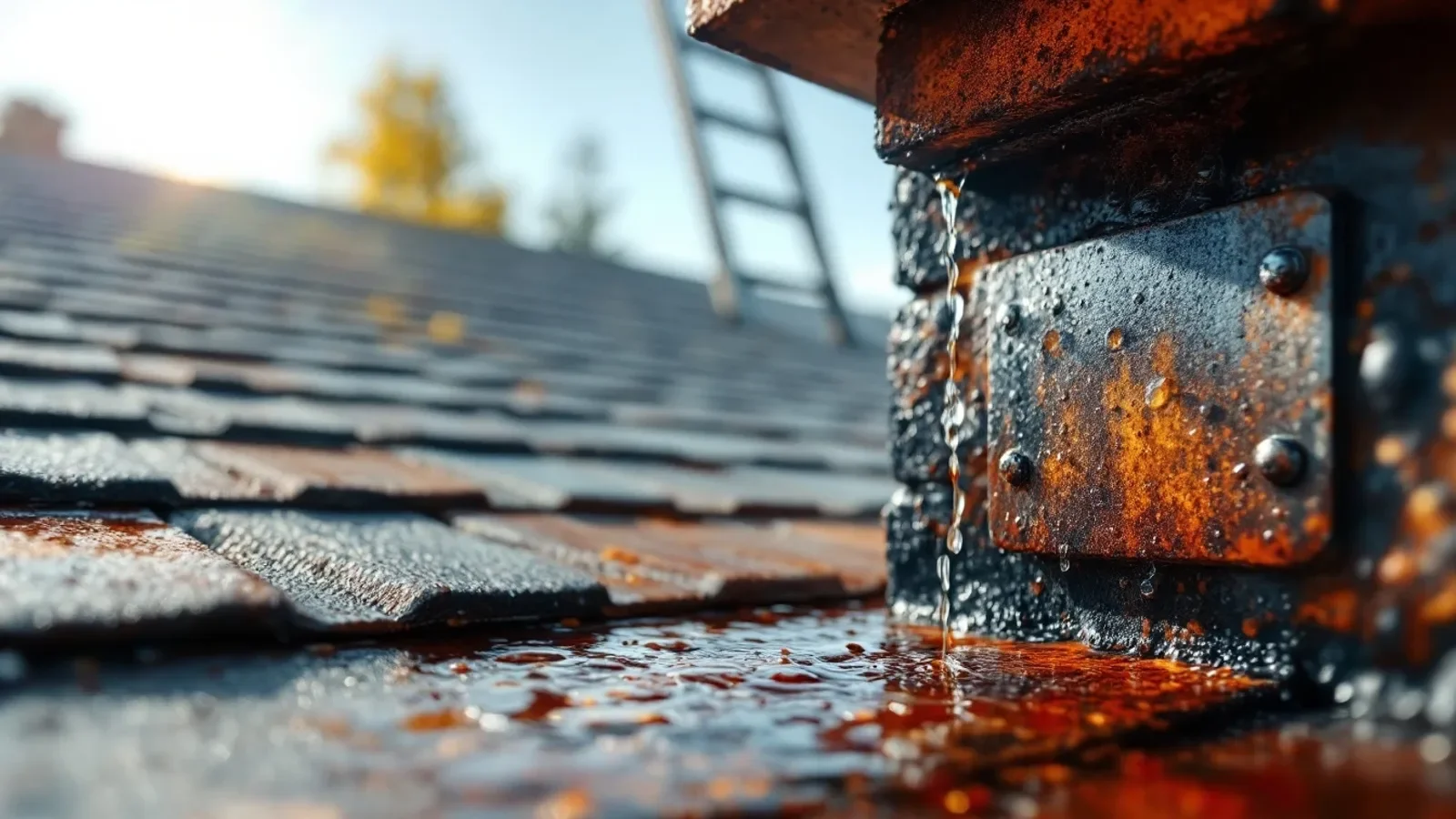
Flashing is the metal transition strip that seals the gap where your chimney stack emerges from your roofline. Because chimneys and roof structures are made of different materials, they expand, contract, and settle at different rates. The flashing must be installed in two layers, the step flashing and the counterflashing, to allow for this independent movement while remaining completely watertight. When flashing lift, warps, or rusts through, it creates a direct channel for rainwater to flow straight into your attic and down your drywall. If you notice ceiling stains near your fireplace, the flashing is often the primary culprit, requiring professional adjustment and sealing to restore the watertight barrier.
How Does Moisture Affect the Fireplace Lining and Damper?
Many Sunnyvale homeowners rely on expert chimney repair in Sunnyvale for exactly this.
When water finds its way inside a chimney, it does not just damage the masonry; it also attacks the internal components that keep your fireplace safe to operate. Most traditional fireplaces feature a metal damper plate that controls airflow. Persistent moisture causes this steel or cast-iron plate to rust, eventually seizing it in place or rusting it out entirely, allowing drafty outdoor air and pests to enter your home freely. Furthermore, if you have a clay tile flue liner, water penetration can cause the tiles to flake and crack through a process called spalling. A cracked flue liner can allow dangerous flue gases to escape into your home’s walls, highlighting why addressing a leaking chimney Sunnyvale homes suffer from is a safety priority rather than just an aesthetic fix.
What Happens If You Ignore a Wet or Damp Chimney?
Ignoring water intrusion in a chimney system is a recipe for progressive, costly structural failure. As moisture settles into the mortar joints, it slowly washes away the binding agents, leaving behind a weak, sandy mixture that cannot support the weight of the heavy clay bricks. This leads to shifting, tilting, or even the partial collapse of the chimney stack itself. Inside the home, persistent moisture behind the walls creates an ideal environment for wood rot in the structural ceiling joists and wall studs. Addressing these moisture issues promptly with a dedicated professional chimney sweep and repair service ensures that minor leaks do not turn into major structural rebuilds that threaten your entire roofline.
Summary
A damp fireplace is a clear warning sign that water has bypassed your chimney’s natural defenses. From cracked crowns and warped flashing to porous bricks absorbing winter downpours, water can damage your home’s structural integrity if left unchecked. Protecting your Sunnyvale home starts with early detection and professional intervention. Contact Nation Wide Chimney Sweep & Repair today to schedule a thorough diagnostic inspection and keep your fireplace safe, dry, and secure all year long.