How to Keep Your Sunnyvale Chimney Dry After Masonry Work
You step outside into your yard on a cool morning, look up at your roof, and notice a dark, damp shadow spreading across the red clay bricks of your chimney. If you have recently invested in professional masonry restoration, seeing moisture cling to your chimney can be incredibly frustrating. In Sunnyvale, CA, keeping water out of your freshly restored brickwork is the single most important step you can take to protect your home. Learning how to waterproof chimney Sunnyvale systems effectively ensures your recent investment remains stable, dry, and beautiful for decades to come.
While fresh mortar looks solid, it remains highly porous. Without proactive moisture management, rain and morning condensation can quickly soak into the structure, restarting the cycle of decay. The following checklists break down exactly how to protect your chimney, prevent water intrusion, and maintain your system after completing vital chimney repair projects.
Evaluating Your Chimney Sealant Options
Applying the wrong product to your chimney can trap moisture inside the brick, causing rapid spalling and accelerated decay. Use this checklist to select and prepare the right protective barriers for your masonry structure.
- Select a vapor-permeable, siloxane-based water repellent rather than a film-forming sealant, allowing the brick to breathe while repelling external rain.
- Verify the masonry has cured fully, typically waiting at least twenty-eight days after new mortar or brickwork is installed before applying any chemical water repellents.
- Clean the brick surface thoroughly to remove carbon buildup, dirt, and efflorescence, ensuring the waterproofing agent can bond directly to the clean masonry pores.
- Apply the water repellent during a dry window of weather when temperatures are consistently between forty and ninety degrees Fahrenheit.
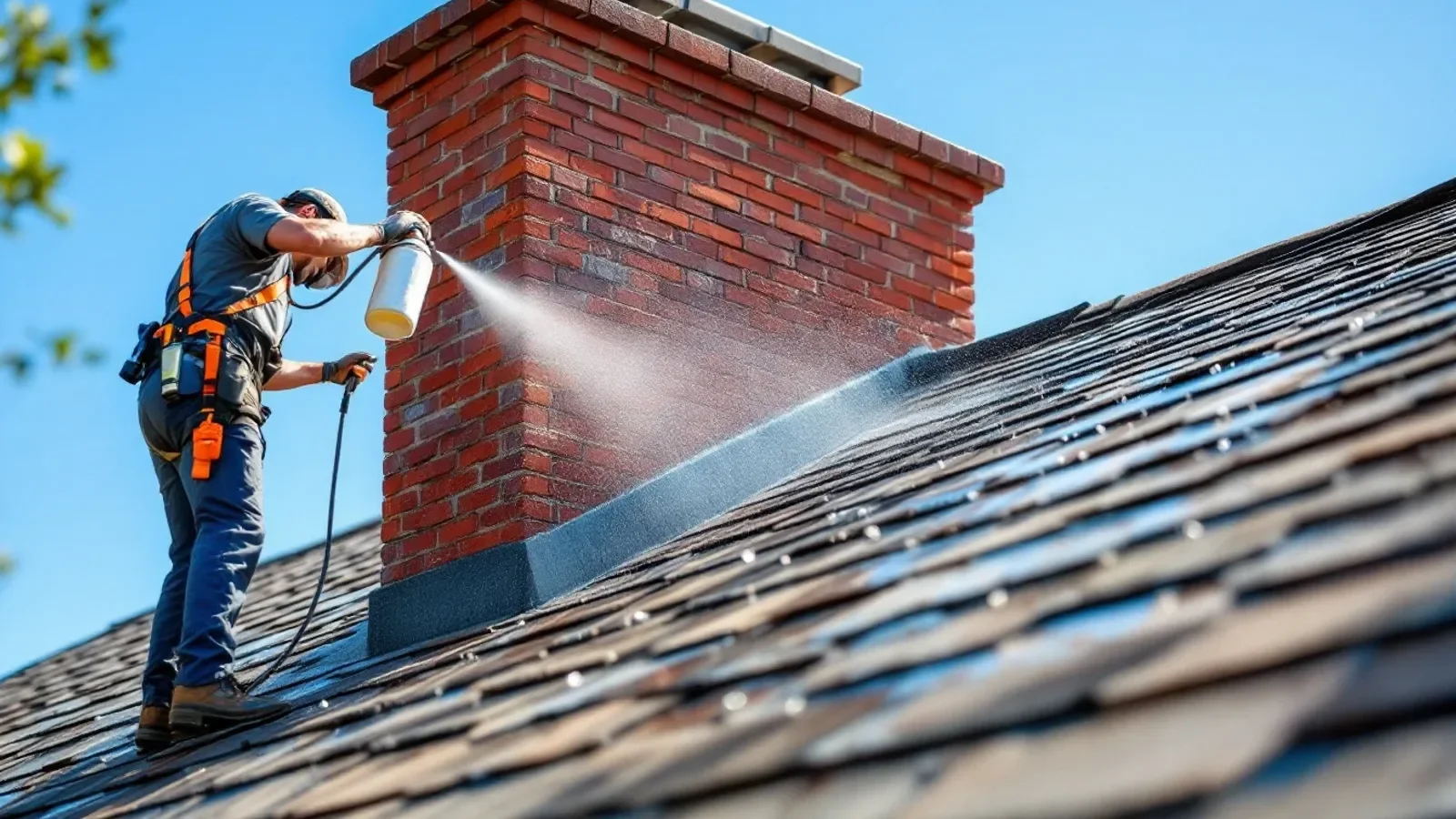
- Use a low-pressure sprayer to saturate the brickwork evenly, working from the bottom up to prevent streaking and ensure deep penetration into the mortar joints.
Protecting the Chimney Crown and Cap
The very top of your chimney takes the direct brunt of Sunnyvale rain and sun. If water settles on a flat, cracked surface, it will slowly seep down through the center of the structure.
- Inspect the chimney crown for hairline cracks that may have developed after initial curing, sealing them with an elastomeric crown sealant.
- Ensure the crown has a proper slope that sheds water away from the flue and over the edges of the chimney footprint.
- Confirm the presence of a drip edge on the underside of the concrete crown to prevent runoff from running directly down the exterior brick facade.
- Install a high-quality stainless steel or copper chimney cap that covers the entire top opening, shielding the flue from vertical rainfall.
- Maintain the metal spark arrestor mesh on your cap to prevent leaves and organic debris from clogging the drainage path around your flue.
If you want it handled correctly the first time, consider professional chimney repair in Sunnyvale.
Sunnyvale-Specific Environmental Considerations
Sunnyvale homes experience unique local environmental conditions, from dry summers to damp winter seasons and microclimatic fog, which directly impact how masonry handles moisture.
- Monitor the effects of Bay Area winter rainstorms, which often feature wind-driven precipitation that forces water into microscopic cracks on south-facing brick walls.
- Account for the high morning humidity and coastal fog roll-in from the South Bay, which leaves a layer of dew on your chimney that can penetrate untreated, porous mortar.
- Assess the age of your home, particularly in older Sunnyvale neighborhoods where historic brickwork may require gentler, highly breathable lime-based mortars rather than modern Portland cement.
- Clear overhanging tree branches from nearby redwoods or oaks that drop damp leaves onto your roofline, as these trap organic moisture against your chimney base.
- Address seismic settling issues common to Santa Clara County, which can create subtle, hairline fissures in your waterproof seal that require regular visual inspections.
Maintaining Rooftop Flashing and Drainage
A chimney cannot stay dry if the area where it meets your roofline is compromised. Water pooling behind the chimney is a primary driver of rot in both the brickwork and your home’s framing.
- Examine the counter-flashing to ensure it is securely embedded into the mortar joints and sealed with high-grade polyurethane caulk.
- Install a roof cricket behind chimneys that are wider than thirty inches, diverting water around the structure rather than letting it pool at the base.
- Clear your gutters and valley downspouts regularly so that backed-up rainwater does not overflow onto the lower sections of your brick masonry.
- Check the step flashing along the sides of your chimney for signs of rust, lifting, or separation from the shingles.
- Look inside your attic space near the chimney breast after heavy rain to catch early signs of flashing leaks before they damage your plaster or drywall.
Long-Term Dryness Inspections
Waterproofing is not a one-time project. Consistent observation is the key to preventing minor moisture penetration from turning into extensive masonry damage.
Many Sunnyvale homeowners rely on expert chimney repair in Sunnyvale for exactly this.
- Perform a quick splash test every autumn by spraying a small amount of water on the bricks; if the water beads up, your sealant is working, but if it soaks in, it is time for a recoat.
- Watch for efflorescence, a white, powdery salt deposit on the exterior bricks that indicates water is moving through the masonry and drawing out minerals.
- Read our guide on why rain dampens Sunnyvale fireplaces to identify how internal draft dampness can signal a leak in your flue or exterior brickwork.
- Review the primary factors that influence your maintenance budget, detailed in our breakdown of Sunnyvale chimney masonry repair cost drivers, to understand why keeping bricks dry saves money on future restorations.
- Schedule an annual professional sweep and visual assessment to catch hidden deterioration inside your fireplace system before it affects your home’s structural stability.
Frequently Asked Questions
Can I use standard hardware store silicone sealants on my chimney?
No, standard silicone sealants form a non-breathable plastic film over the brick. This traps rising dampness inside the masonry, causing the face of the bricks to pop off or spall when the moisture undergoes temperature changes.
How long does a professional chimney waterproofing treatment last?
A high-quality, professional-grade siloxane water repellent typically protects Sunnyvale chimneys for five to ten years, depending on sun exposure, wind-driven rain, and the physical condition of the underlying mortar.
Should I waterproof my chimney if I already have loose bricks or cracked mortar?
Waterproofing should only be applied to sound, fully repaired masonry. Applying sealant over active cracks or loose mortar will not stop leaks, as water will easily bypass the sealant through those structural openings; you must complete all necessary brick chimney repair work first.
Keep Your Chimney Standing Strong
Proactive waterproofing is the ultimate defense against the degrading effects of water intrusion. To ensure your fireplace system remains secure, structurally sound, and completely dry, contact Nation Wide Chimney Sweep & Repair today to schedule a comprehensive masonry evaluation.