Understanding Your Brick Chimney Repair Cost in Sunnyvale
Neglecting a deteriorating chimney does more than ruin your home’s curb appeal; it quietly invites water to seep deep into your walls, rotting framing timber and ruining ceiling drywall. In Sunnyvale, what starts as a few hairline fractures in a mortar joint can rapidly evolve into a tilting masonry column that threatens your roofline. By the time structural shifting becomes visible from the street, the work required to stabilize the system is far more extensive than a simple cosmetic touch-up.
When assessing a potential project, focusing solely on a single bottom-line figure often leads to surprises. Every chimney is a custom-built masonry structure subject to specific environmental wear, height challenges, and structural demands. By understanding the core variables that shape a brick chimney repair cost in Sunnyvale, you can make informed decisions, prioritize essential structural fixes, and protect your home from progressive water damage.
Before You Start: Planning Your Chimney Inspection
Before any masonry work begins, it is essential to establish the true physical condition of the entire chimney system, from the firebox up to the crown. Gathering the right information upfront ensures you do not waste resources on surface repairs when internal structural damage exists.
- Document Visible Damage: Use a camera or phone to take clear, high-resolution photos of cracking, crumbling mortar, white powdery staining (efflorescence), or loose bricks from a safe ground-level vantage point.
- Check Interior Walls: Look at the drywall or plaster surrounding your fireplace and chimney breast inside the home for damp spots, peeling paint, or musty odors.
- Locate Home Records: If available, find the original building plans or records of past fireplace renovations to help identify the construction materials used.
- Verify Local Code Compliance: Keep in mind that building regulations and seismic safety standards vary by area. Always check your local codes or consult a licensed professional before initiating major structural modifications.
Step-by-Step Guide to Evaluating Chimney Repair Complexity
This procedural guide outlines how chimney professionals evaluate a structure to determine the scope of a masonry restoration project. Understanding these steps helps you anticipate the scale of work required for your home.
Step 1: Assess Accessibility and Staging Requirements
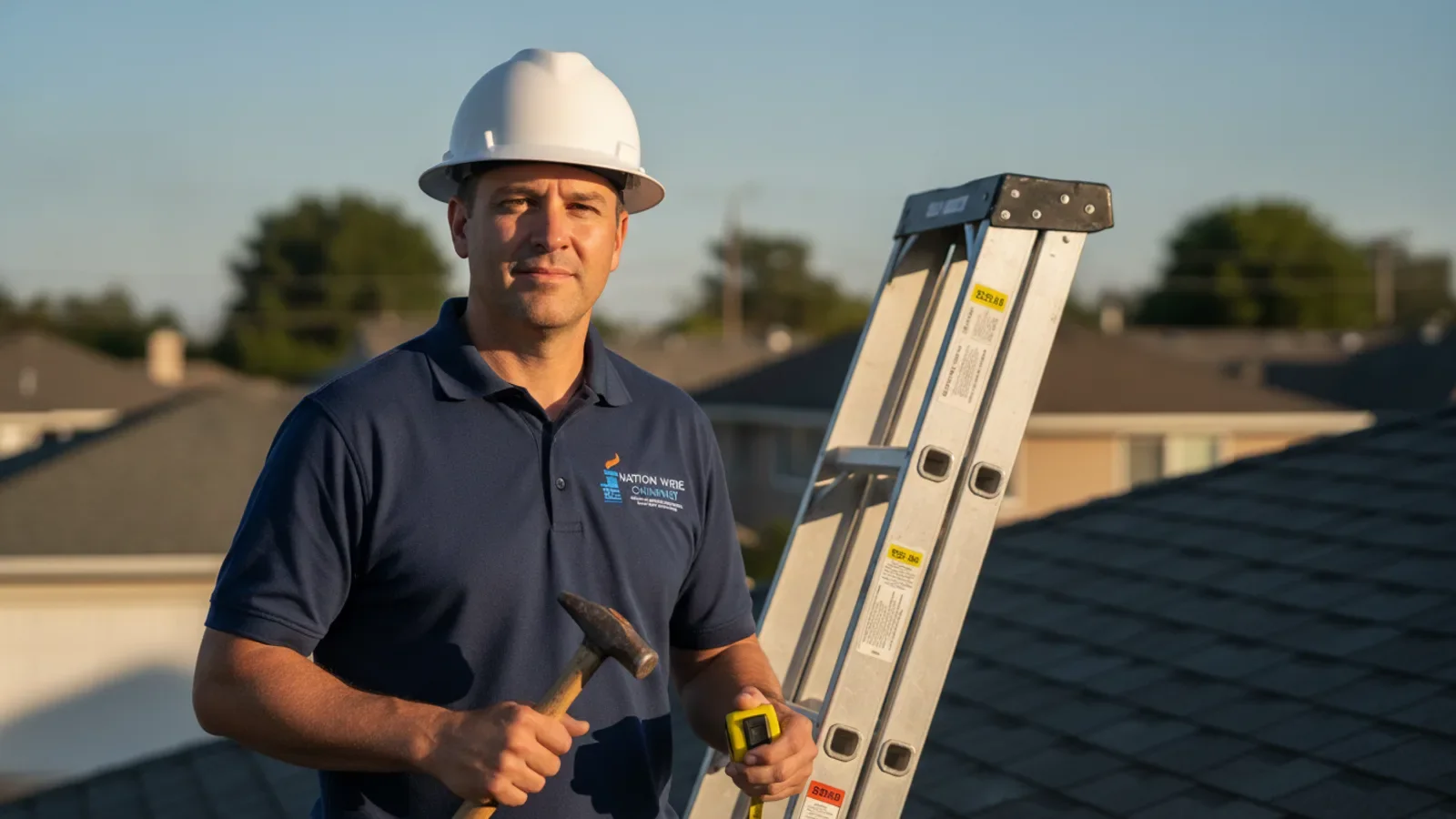
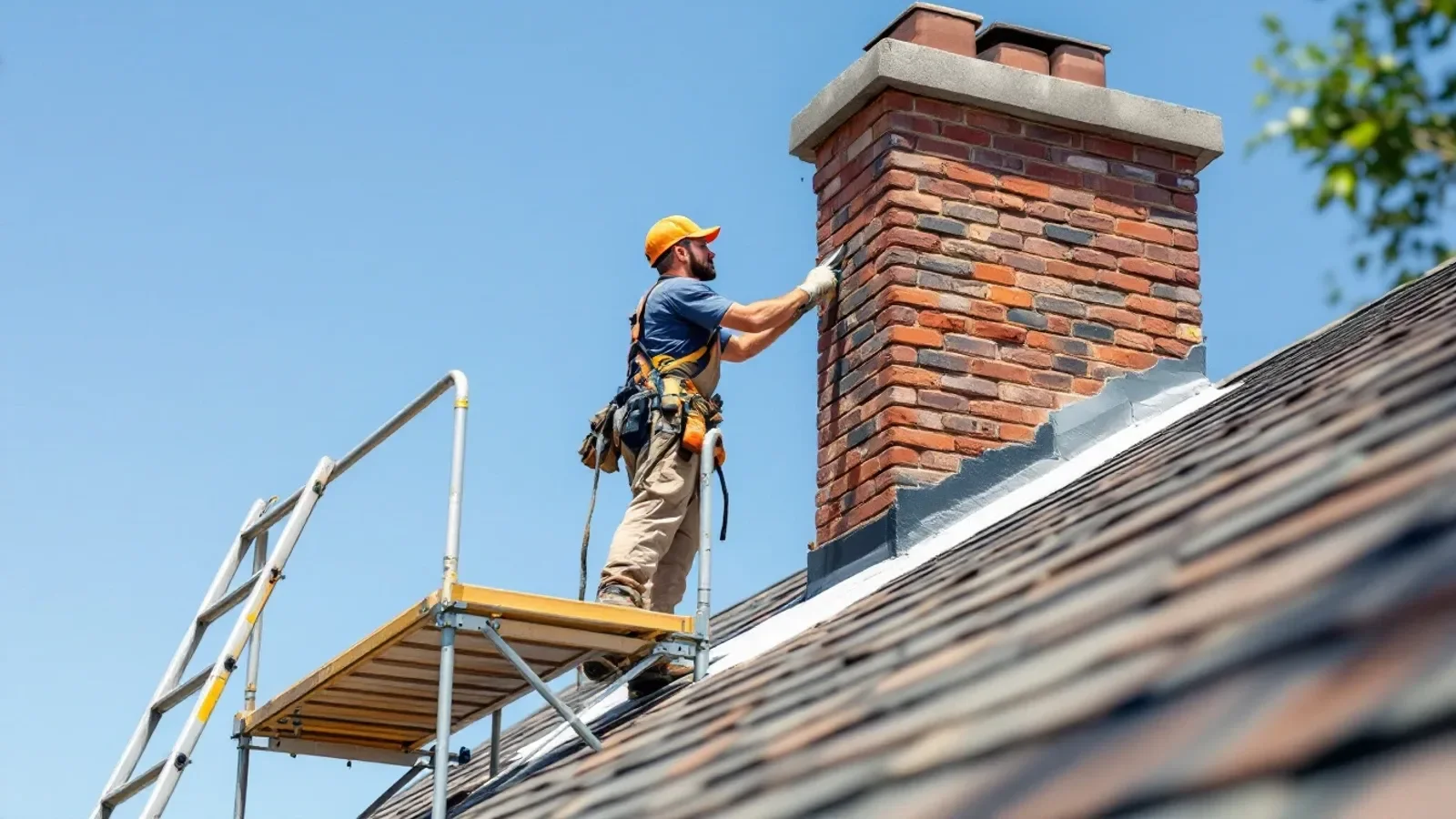
The physical layout of your roofline is the first major factor in determining project complexity. A single-story home with a shallow roof pitch allows technicians to set up staging rapidly and safely. Conversely, a multi-story home with a steep, complex roof tile system requires specialized scaffolding, roof brackets, and fall-protection rigging to ensure safety. The time and labor required to construct a stable, OSHA-compliant work platform directly influence the overall setup timeline before any brick is actually touched.
Step 2: Determine the Extent of Mortar Deterioration
Moisture is the primary enemy of masonry. Technicians inspect the mortar joints using a simple scratch test to see if the material crumbles into powder. If the degradation is limited to the outer layer of mortar, the chimney is a candidate for repointing, a process of grinding out the old joints and packing in fresh mortar. You can learn more about identifying this specific type of wear in our guide to the signs you need mortar repointing in Sunnyvale. If the mortar has failed completely through the depth of the brick, simple repointing will no longer suffice, and partial reconstruction becomes necessary.
If you want it handled correctly the first time, consider professional chimney repair in Sunnyvale.
Step 3: Evaluate Brick Integrity and Spalling
When water penetrates porous clay bricks and undergoes temperature fluctuations, the face of the brick can pop off, a destructive process known as spalling. During an evaluation, the technician taps individual bricks with a light hammer. A dull thud instead of a sharp ring indicates a structurally compromised, hollowed brick that must be chiseled out and replaced. Sourcing matching bricks that align with the color, density, and compressive strength of your existing chimney is critical for maintaining structural uniformity and visual appeal.
Step 4: Inspect the Chimney Crown and Cap
The chimney crown is the concrete slab covering the top of the masonry column, designed to shed water away from the brickwork. If the crown is cracked, water runs straight down into the internal core of the chimney structure. A cracked crown can sometimes be sealed with an elastomeric membrane, but a severely broken, crumbling concrete crown must be completely demolished and poured anew. Ensuring a watertight seal at the top is the first line of defense; to keep your system protected once these repairs are complete, review our practical tips on how to keep a Sunnyvale chimney dry after repair.
Step 5: Check the Flue Liner and Fireplace Core
A chimney is not just an exterior ornament; it is a high-temperature venting system. Technicians use specialized cameras to inspect the clay tile or metal flue liner inside the chimney. Gaps in tile joints, cracked liners, or crumbling firebricks inside the firebox pose severe safety risks. Addressing these internal issues, such as replacing damaged firebricks or installing a new stainless steel flue liner, requires specialized materials and highly precise labor, which adds to the depth of a traditional chimney masonry repair project.
Step 6: Plan for Material Matching and Historical Preservation
Older homes often feature historic brick sizes, unique clay compositions, or specialized lime-based mortars that are no longer standard in modern construction. Utilizing modern, stiff Portland cement-based mortar on soft, historic brick will cause the older bricks to crack under normal thermal expansion. Specifying, sourcing, and mixing custom lime mortars and sourcing salvaged or specialty bricks requires specialized sourcing networks and careful testing to ensure the new materials do not cause premature failure of the surrounding structure.
When to Call a Professional in Sunnyvale
While homeowners can easily clean out ash or replace a decorative firescreen, masonry work is highly specialized and physically demanding. Working on steep rooflines carries inherent fall hazards, and working with brick, stone, and mortar requires precise chemical and physical blending to prevent rapid failure. Additionally, working with combustion systems carries significant carbon monoxide and fire safety implications if venting paths are miscalculated.
Many Sunnyvale homeowners rely on expert chimney repair in Sunnyvale for exactly this.
If you notice loose bricks, crumbling mortar, visible tilting of your chimney stack, or water dripping into your fireplace, it is time to consult a qualified local specialist. A professional inspection can pinpoint hidden internal damage before it leads to a costly structural failure. When searching for the right team to handle your home’s masonry, read our comprehensive advice on hiring a Sunnyvale masonry repair specialist to ensure you select an experienced contractor.
Sunnyvale’s Microclimates and Chimney Masonry
Sunnyvale features a unique Mediterranean climate characterized by warm, dry summers and cool, wet winters. While our area does not experience the harsh, prolonged freezing temperatures of northern states, we do experience significant diurnal temperature swings and concentrated winter rainfall. This seasonal rain can saturate porous exterior bricks. When the sun emerges and warms the masonry, the moisture trapped within the bricks expands as it turns to vapor, stressing the outer faces of the brickwork.
Furthermore, much of Sunnyvale’s housing stock in established neighborhoods dates back to the mid-20th century. These older chimneys have undergone decades of subtle ground movement, seismic vibrations, and thermal cycling. Over fifty or sixty years, the original lime-and-sand mortars naturally degrade, losing their binding strength. Addressing these regional wear patterns early prevents the necessity of a complete rebuild and ensures your fireplace remains safe to operate when the winter chill arrives.
Frequently Asked Questions
Can I just seal my chimney to stop mortar from crumbling?
No, applying a waterproof sealer over crumbling mortar will not fix the issue and can actually accelerate damage. Sealer traps existing moisture inside the brickwork, which then destroys the masonry from the inside out during warm days; the deteriorated mortar must be ground out and replaced through repointing first.
How long does a typical brick chimney repair take?
Minor repairs like repointing a few courses of brick or sealing a minor crown crack can often be completed in a single day. Larger projects involving scaffolding, extensive brick replacement, or pouring a new concrete crown typically take three to five working days, depending on weather conditions.
Why does my chimney have white powder on the outside?
This white powder is called efflorescence, which occurs when water penetrates the masonry, dissolves natural salts inside the brick and mortar, and carries them to the surface as it evaporates. While the powder itself can be brushed off, it is a clear warning sign that water is actively moving through your chimney structure.
Protect Your Sunnyvale Home’s Masonry
Ignoring minor masonry cracks today can lead to extensive structural damage and water intrusion tomorrow. Investing in timely maintenance preserves your home’s structural integrity, protects your roofline, and ensures your fireplace operates safely for years to come. If you suspect your chimney has suffered water damage, contact Nation Wide Chimney Sweep & Repair today to schedule a thorough inspection and secure an accurate, professional assessment for your fireplace repair Sunnyvale needs.