Sunnyvale Chimney Sweeping Frequency: How Often Does Your Fireplace Need Service?
You strike a match, light the kindling, and watch the flames catch on a crisp, cool evening in Sunnyvale. But as the warmth begins to fill the room, you might notice a faint, smoky odor lingering in the air, or perhaps a slight haze settling near the ceiling. When your fireplace starts showing these quiet signs of buildup, it is time to think about the last time a professional looked inside your flue. For homeowners in Sunnyvale, California, regular fireplace maintenance is not just about keeping things clean, it is a vital part of protecting your property and ensuring safe operation season after season.
Maintaining a clean chimney helps prevent dangerous structural fires, improves indoor air quality, and ensures your heating system vents properly. While many residents only think about their fireplace during the chilly winter months, scheduling a professional fireplace inspection and cleaning before the cold season arrives keeps your home safe. This comprehensive guide outlines the ideal chimney sweeping frequency, what to expect during a professional visit, and how our local climate impacts your home ventilation needs.
If you are noticing slow drafting, unusual smells, or visible soot, do not wait for the height of winter to address it. Book your professional service today with Nation Wide Chimney Sweep & Repair to ensure your system is clear, safe, and fully operational.
The Core Recommendation: Standard Chimney Sweeping Frequency
How often should you hire a professional chimney sweep? The short answer, backed by safety organizations such as the National Fire Protection Association (NFPA), is that all chimneys, fireplaces, and vents should be inspected at least once a year. Even if you do not use your fireplace frequently, an annual checkup is essential because nesting animals, fallen leaves, and hidden structural settling can block your flue or compromise its safety without your knowledge.
When it comes to actual sweeping, the frequency depends largely on how often you burn wood and the type of fireplace you operate. A standard rule of thumb for wood-burning fireplaces is to schedule a thorough sweeping after burning approximately one cord of wood, or whenever you notice a soot buildup of 1/8 inch or more on the flue walls. For families who enjoy weekend fires throughout the late autumn and winter, this typically equates to an annual cleaning. If you use your fireplace as a primary or heavy secondary heat source, you may need a sweeping twice a year to keep creosote levels within a safe range.
Why Creosote Accumulation Dictates Your Service Schedule
To understand why regular fireplace maintenance is necessary, you have to look at what happens inside the flue during a fire. As wood burns, it releases combustion byproducts, including smoke, water vapor, gases, unburned wood particles, hydrocarbon, and various minerals. As these substances rise through the cooler chimney, they condense on the inner walls, forming a dark, highly flammable substance called creosote.
Creosote accumulates in three distinct stages, each posing a different level of risk:
- Stage 1 (Sooty Creosote): This is a dusty, flaky black deposit that is relatively easy for a professional to brush away during a standard maintenance visit.
- Stage 2 (Crusty Creosote): This forms thick, shiny, or hardened flakes that look like tar bubbles. Removing it requires specialized brushes and scrapers.
- Stage 3 (Glazed Creosote): The most dangerous form, glazed creosote looks like smooth, hard, black glass running down the flue liner. It is highly concentrated fuel that can easily ignite a devastating chimney fire. This stage often requires specialized chemical treatments or mechanical tools to safely remove without damaging the flue liner.
By scheduling a timely sweeping, you catch creosote in its earliest, least dangerous phase, preventing the rapid escalation to Stage 3 glaze. If you notice signs of heavy buildup, such as dark flakes falling onto your hearth, it is time to call a professional for a thorough evaluation.
Sunnyvale Home Styles and Local Venting Challenges
If you want it handled correctly the first time, consider professional chimney sweep in Sunnyvale.
In Sunnyvale, our local housing stock features a beautiful mix of mid-century modern Eichler homes, classic California ranch styles built in the 1950s and 60s, and newer multi-story residential developments. Each of these architectural styles presents unique venting characteristics that affect chimney sweeping frequency and maintenance requirements.
Many older ranch-style homes in neighborhoods like Ortega or Cherry Chase feature traditional brick-and-mortar masonry chimneys. Over decades, the shifting soils of the Santa Clara Valley can cause subtle foundation settling, leading to cracked flue tiles or mortar decay. When moisture from our rainy winter months penetrates these cracks, it can cause the interior masonry to flake or crumble, a process known as spalling. This can block the passage and create a serious hazard.
Conversely, newer homes or remodeled properties often utilize factory-built, double-walled metal chimneys hidden inside decorative wood-framed chases. While these pre-fabricated systems heat up faster and draft efficiently, they are highly sensitive to creosote buildup and require specialized, non-abrasive poly brushes to clean without scratching the stainless steel liner. Additionally, our mild Silicon Valley climate means fireplaces sit idle for many months of the year, making them highly attractive nesting spots for local birds and squirrels during the spring and summer. An annual check ensures these blockages are cleared before your first seasonal fire.
Signs Your Chimney Needs Immediate Professional Attention
While an annual schedule works well for most homes, you should never ignore active warning signs that indicate your fireplace needs immediate service. If you experience any of the following issues, hold off on lighting your next fire until a professional inspects the system:
- Poor Draft and Smoke Backdrafts: If smoke enters your living room instead of rising cleanly up the flue, there is a restriction in the venting path or a damper malfunction. You can read more about resolving these specific ventilation issues in our guide on solving chimney draft problems.
- Strong, Unpleasant Odors: A distinct smell of campfire or asphalt coming from the hearth, especially on humid summer days, is a classic sign of heavy creosote accumulation.
- Visible Black Flakes: Finding dark, oily flakes or soot deposits falling down onto the damper or fireplace floor means your flue has crossed the safe threshold for soot accumulation.
- A Slow-Burning, Smoky Fire: If you struggle to get a roaring fire going despite using seasoned dry hardwood, your system may not be getting the oxygen draft it needs due to internal restrictions.
Ignoring these warnings can lead to structural damage or a chimney fire. To learn more about identifying these warnings early, explore our detailed guide on the top signs you need a chimney sweep.
The Service Options: Inspection vs. Sweeping vs. Repair
When you book a professional appointment, it is helpful to understand the different levels of service available. A professional chimney technician does not simply run a brush down the flue; they evaluate the health of your entire venting system.
An inspection is the diagnostic phase of the service. Industry standards define three levels of inspections, with Level 1 being a visual check of the readily accessible portions of the chimney, Level 2 incorporating a specialized video camera to inspect the interior flue lining for cracks, and Level 3 involving partial demolition of chimney elements to access hidden areas after a structural event or fire.
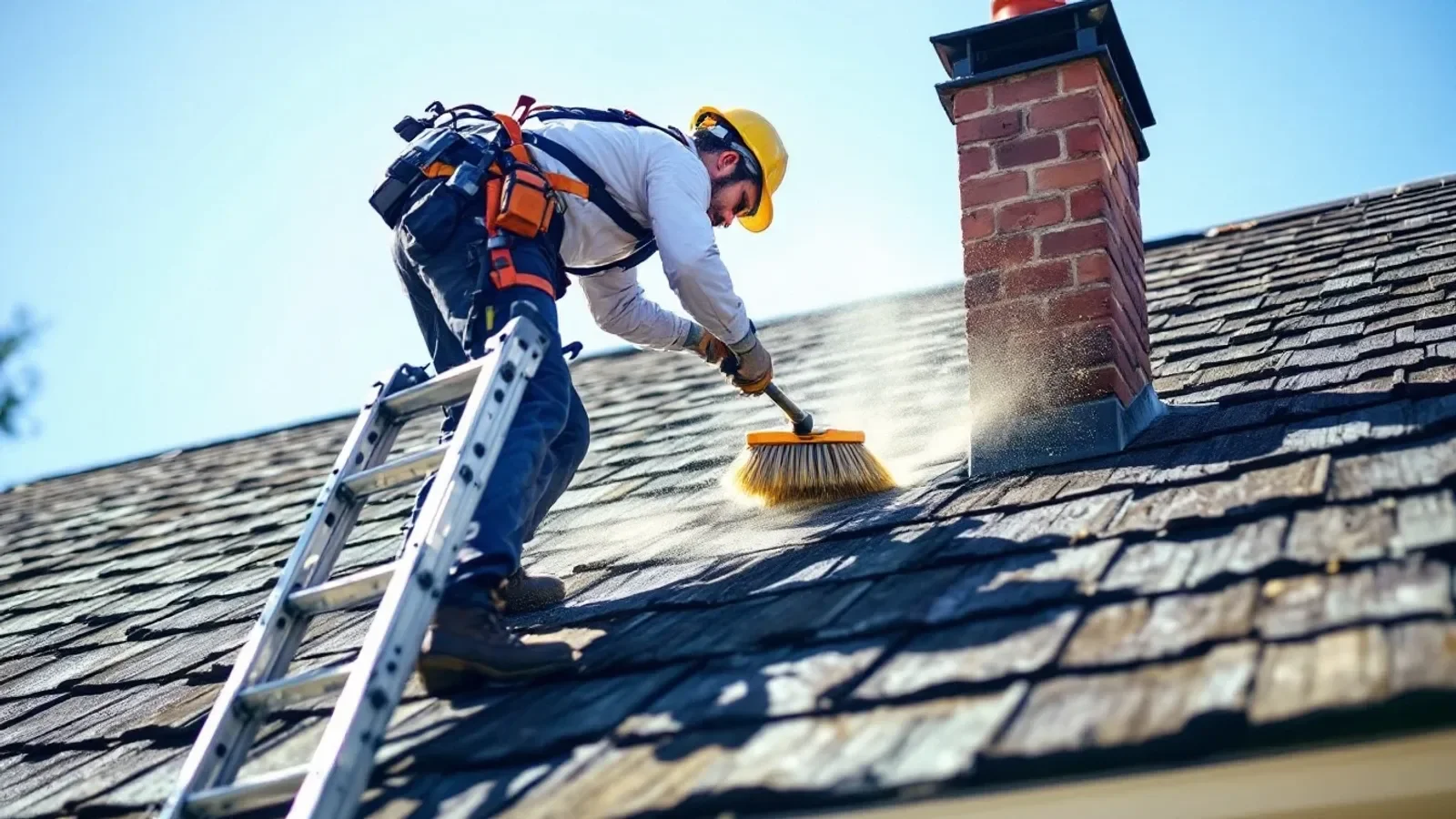
A sweeping is the physical removal of soot, creosote, and debris from the flue liner, smoke chamber, shelf, and firebox. If the technician identifies damaged components during the inspection, they will recommend a chimney repair plan. This might include replacing a damaged damper, tuckpointing cracked exterior mortar, installing a new rain cap to keep pests out, or relining the chimney with a durable stainless steel sleeve to restore structural integrity.
Fireplace Maintenance: Wood-Burning vs. Gas Systems
Many Sunnyvale homeowners rely on expert chimney sweep in Sunnyvale for exactly this.
A common misconception is that gas fireplaces are entirely maintenance-free. While they do not produce the heavy soot and creosote characteristic of wood-burning fireplaces, they still require regular professional care to run safely and efficiently.
This comparison table highlights the different maintenance and sweeping requirements for wood-burning versus gas-fueled fireplaces:
| Feature / Requirement | Wood-Burning Fireplace | Gas Fireplace (Vented or Direct-Vent) | |
|---|---|---|---|
| Primary Debris | Creosote, soot, ash, and wood embers. | Dust, pet dander, ceramic log soot, and condensation film. | |
| Recommended Service Interval | At least once a year, or after burning one cord of wood. | Once a year for safety checks, burner cleaning, and venting inspection. | |
| Main Safety Concern | Creosote-fueled chimney fires and flue blockages. | Gas leaks, carbon monoxide spillage, and blocked pilot assemblies. | |
| DIY Maintenance Allowed | Shoveling cold ash and wiping down the hearth. | Cleaning the glass door (following manufacturer instructions). |
Regardless of your fuel source, professional servicing ensures your system operates at peak safety levels. If you are uncertain about the type of system in your home or how to plan your budget, read our detailed overview of factors that affect chimney service pricing to prepare for your appointment.
Frequently Asked Questions
How do I know if my chimney actually needs to be swept?
You can perform a quick visual check by opening your damper and shining a flashlight up into the flue. Use a plastic scraper or an old fireplace tool to scratch the black buildup on the flue wall; if the layer of soot is 1/8 inch thick or deeper, you should schedule a professional cleaning before using the fireplace again.
Can I clean my own chimney to save money?
While homeowners can perform light maintenance like removing loose ash, professional chimney cleaning is highly recommended. Certified sweeps have specialized brushes, high-powered vacuum systems designed to contain fine soot, and video equipment to detect internal flue cracks that are invisible to the naked eye from the hearth.
What is the best time of year to schedule a chimney sweep in Sunnyvale?
The best time to book a chimney sweep is during the late spring, summer, or early autumn. Scheduling during these warmer months ensures you secure a convenient appointment slot before the busy fall rush, giving you plenty of time to address any necessary repairs before the cold winter weather sets in.
Do gas fireplaces ever need their chimneys swept?
Yes, gas fireplaces require annual professional service. While they do not generate creosote, the venting system can still become obstructed by debris, nesting birds, or spiders, and the gas burner ports can become clogged with dust, affecting combustion safety and indoor air quality.
Secure Your Peace of Mind with Professional Fireplace Care
Maintaining a safe fireplace requires consistent attention and timely professional care. By staying on top of your annual inspections and sweeping schedules, you protect your family from the hidden dangers of creosote fires and carbon monoxide hazards while ensuring your system operates beautifully through the winter months. For expert assistance in keeping your home safe and warm, contact the local professionals at Nation Wide Chimney Sweep & Repair. Reach out to us today to book your next comprehensive chimney cleaning and inspection and ensure your fireplace is ready for the seasons ahead.