What Factors Determine Your Sunnyvale Chimney Sweep Cost?
Most people think that a professional chimney cleaning has a single, flat price tag regardless of the home or the condition of the flue. However, treating fireplace maintenance like a one size fits all commodity often leads to surprising variations when the service technician actually examines your system. In Sunnyvale, California, the physical characteristics of your property, how often you use your hearth, and the specific style of your fireplace all play direct roles in shaping your final invoice.
Understanding these variables helps you plan your annual home maintenance budget effectively. By exploring what goes into a professional evaluation, you can avoid unexpected expenses and make informed decisions when hiring local specialists. To keep your system running safely and efficiently year round, it is highly recommended to review the baseline guidelines in our Sunnyvale chimney sweeping frequency guide.
The Real Drivers of Fireplace Service Costs
When a professional technician evaluates your chimney, they are not just looking at how much soot is on the walls. They are assessing physical accessibility, material safety, and the structural integrity of the entire venting system. Several primary elements combine to dictate the complexity of the service.
1. Creosote Accumulation and Fuel Type
The type of fuel you burn in your Sunnyvale home heavily influences the state of your flue. Wood burning fireplaces produce creosote, a highly flammable byproduct of combustion that adheres to the inner lining. Creosote progresses through three distinct stages:
- Stage 1: A dusty, flaky soot that is relatively simple to brush away during a standard maintenance visit.
- Stage 2: A crunchy, glassy deposit that clings tightly to the flue tile and requires specialized scraping tools.
- Stage 3: A thick, sticky, tar like glaze that hardens into a dense fuel source. Removing Stage 3 creosote requires intensive chemical treatments or heavy duty rotary loops, which naturally increases the time and labor required.
Conversely, gas fireplaces do not produce creosote, but they do accumulate ceramic log debris, spider webs, and moisture condensation. A gas system service focuses more on clear venting, pilot assembly checks, and clear pathways rather than heavy scrubbing.
2. Chimney Accessibility and Roof Pitch
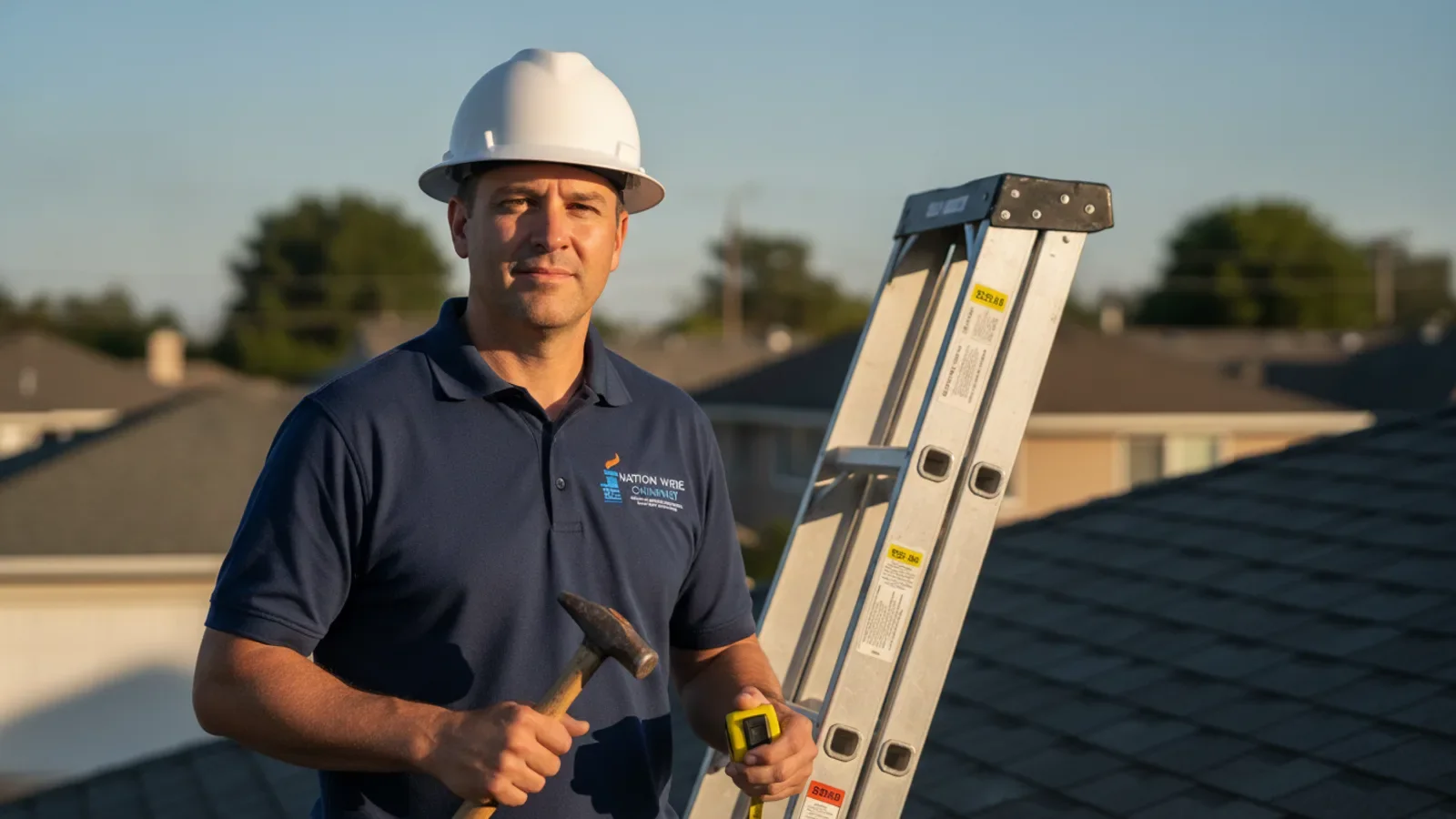
Safety is a major factor in any professional home service. If your home has a steep roof pitch, delicate clay Spanish tiles, or a multi story layout, setting up ladders and safety harnesses takes significantly longer. A chimney that is easily accessed from a flat, low roof requires less setup time than a chimney perched atop a steep, three story Victorian style home in older local neighborhoods.
3. System Damage and Required Repairs
Sometimes, what starts as a standard sweep reveals underlying structural issues that must be addressed for safety. Cracks in the clay flue liner, a deteriorating chimney crown, or a missing chimney cap can allow water to seep into the masonry. If you need structural restoration alongside your cleaning, the scope of work shifts from basic maintenance to technical restoration. For a detailed look at identifying these warning signs early, read about the signs you need a chimney sweep in Sunnyvale before a small issue becomes a major structural headache.
Comparing Maintenance Approaches: Basic Sweep vs. Deep Remediation vs. Level 2 Inspection
Every homeowner has different needs based on the history of their property. To help you understand where your home fits, we compare the three main service levels commonly performed across the Santa Clara Valley.
Option A: The Standard Maintenance Sweep
This is your preventative service. Designed for homeowners who use their fireplace moderately during the cooler winter months and schedule maintenance annually, this service focuses on removing standard Stage 1 soot, clearing out ash, and conducting a basic physical check of the damper and firebox.
If you want it handled correctly the first time, consider professional chimney sweep in Sunnyvale.
Option B: Heavy Creosote and Glaze Remediation
When a fireplace is used heavily with unseasoned wood, or when years have passed between maintenance visits, a standard brush will not suffice. This approach utilizes chemical solvents or mechanical rotary whips to break down hardened, glassy creosote glazes. It takes significantly more time and specialized equipment to safely restore the flue without damaging the underlying masonry.
Option C: Level 2 Video Inspection
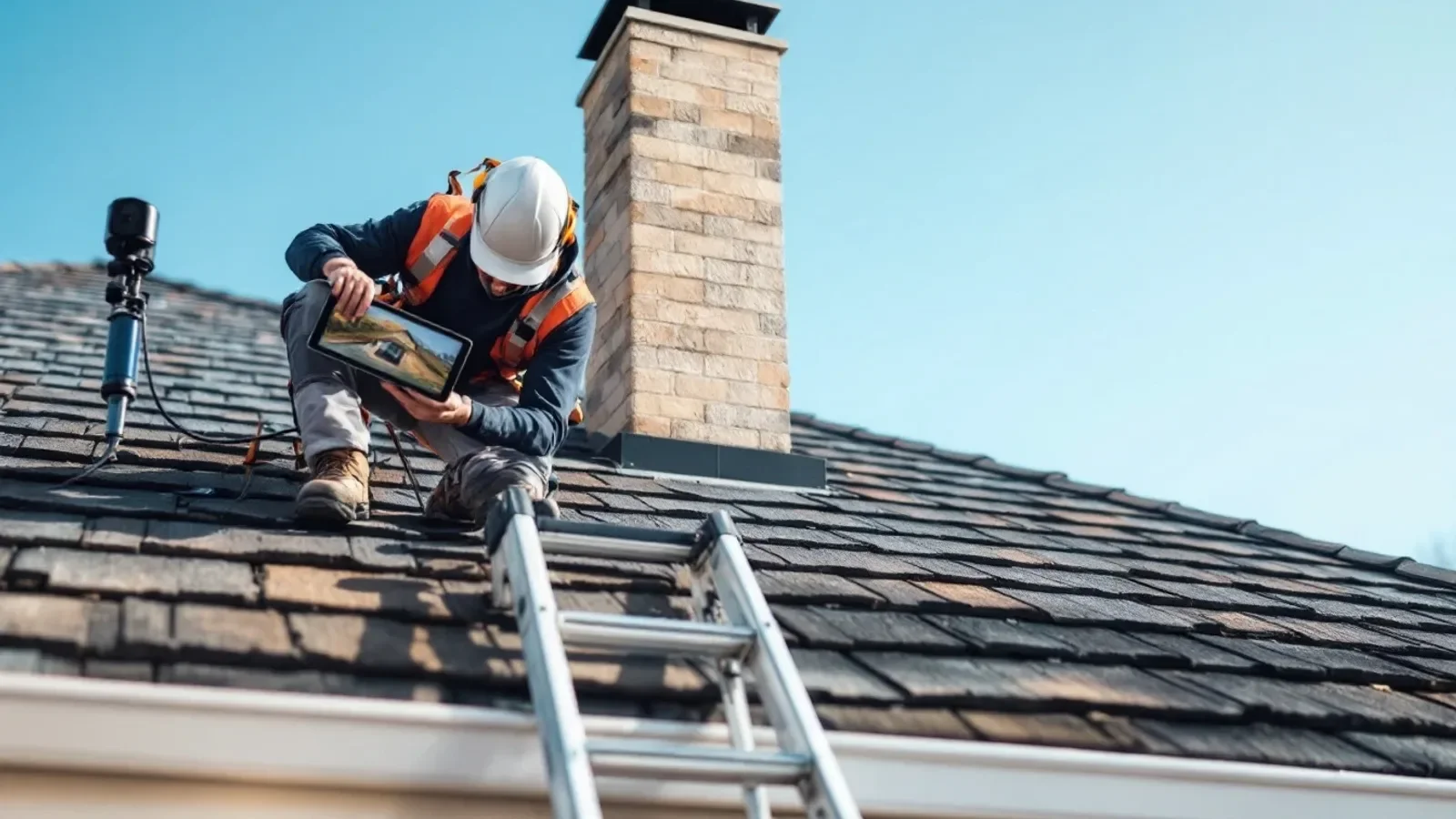
A Level 2 inspection is a diagnostic service that uses a specialized, remote camera system lowered down the flue. This camera records high definition footage of the joints, mortar lines, and inner lining. This level of detail is required during real estate transactions, after a chimney fire, or when transitioning a system from wood to gas. If you are preparing to buy or sell a property, or if you suspect structural shifting, this diagnostic process is the standard industry protocol.
| Service Type | Primary Objective | Equipment Used | Time Required | Best Suited For |
|---|---|---|---|---|
| Standard Sweep | Remove soft soot and draft obstructions | Wire/poly brushes, industrial vacuums, drop cloths | 45 to 90 minutes | Annual maintenance on active, well kept fireplaces |
| Glaze Remediation | Break down hardened Stage 2 and 3 creosote | Rotary loops, chemical neutralizers, hand scrapers | 2 to 4 hours | Neglected flues or homes burning unseasoned wood |
| Level 2 Inspection | Assess internal structural integrity and code safety | Remote flue cameras, high intensity spotlights | 1 to 2 hours | Real estate sales, system conversions, or post seismic activity |
Which Service Level is Right for Sunnyvale Homes?
Sunnyvale features a diverse mix of mid century ranch homes, modern developments, and older historic properties. The local climate is characterized by mild, dry summers and cool, damp winters. Because local winters are relatively short, many residents only light their fireplaces during festive occasions, cold December evenings, or weekend gatherings.
This seasonal, intermittent use actually presents unique challenges. When a fireplace sits cold and idle for nine months of the year, it becomes an inviting nesting ground for local wildlife, including birds, squirrels, and raccoons. Furthermore, the damp winter air of the Bay Area can introduce moisture into unsealed chimneys, accelerating mortar deterioration.
For most local homeowners who burn seasoned wood occasionally, a standard annual maintenance sweep combined with a basic safety check is perfect for keeping the system clean. However, if you have recently purchased a home in the area, or if you are noticing poor airflow, starting with a comprehensive diagnostic evaluation is the safest path forward. To ensure you choose a qualified local technician who understands these regional quirks, consult our guide on hiring a chimney contractor in Sunnyvale.
Understanding the Local Sunnyvale Housing Market and Building Codes
The construction era of your Sunnyvale neighborhood heavily impacts the design and material of your chimney, directly influencing maintenance complexity. Homes built in neighborhoods like Cherry Chase or De Anza during the 1950s and 1960s often feature traditional brick and mortar masonry chimneys with clay tile liners. Over the decades, the mortar joints between these clay tiles can crumble due to minor seismic tremors, damp winter conditions, and the expansion and contraction cycles of heating. Repairing or relining these older masonry systems requires specialized historical masonry skills.
In contrast, newer developments in the area often feature factory built, zero clearance fireplaces with double walled stainless steel pipes hidden behind a wood frame chase. These modern metal systems require entirely different cleaning techniques, including softer poly brushes that will not scratch or damage the metal lining. Scratching a metal chimney liner can create small grooves where creosote can collect more rapidly, creating a fire hazard.
Additionally, California building codes and local municipal guidelines emphasize strict fire prevention measures. If structural issues are discovered, any repairs must comply with Title 24 energy standards and local fire codes to ensure proper clearance from combustible wood framing. Working with a team that understands these specific local building regulations is crucial to keeping your home compliant and safe.
How Regular Maintenance Protects Your Wallet
Many Sunnyvale homeowners rely on expert chimney sweep in Sunnyvale for exactly this.
It is natural to focus on the immediate cost of a service visit, but skipping regular chimney care is a classic example of deferred maintenance that costs more in the long run. When soot and moisture are left to sit in your flue for years, they form acidic compounds that slowly eat away at the mortar joints and metal components.
By scheduling regular, professional chimney sweeping, you prevent this chemical deterioration from taking hold. A minor investment in a standard annual sweep helps you avoid major masonry restoration work or complete flue relining down the road. If you want to keep your hearth in top shape between professional visits, you can practice safe, light maintenance by following these simple fireplace maintenance tips for Sunnyvale homes to reduce heavy soot buildup naturally.
When you are ready to secure your fireplace for the upcoming season, you can easily book a comprehensive chimney cleaning service with our local team. We focus on clean, mess free, and thorough workmanship to keep your home safe.
Frequently Asked Questions
What makes one chimney sweep more expensive than another?
Pricing variations typically stem from the level of creosote buildup, the physical height and pitch of your roof, and whether structural damage is found. A basic sweep of a well maintained flue is a straightforward process, whereas removing thick, glazed creosote or working on a multi story roof requires more specialized gear, safety equipment, and labor hours.
Does a gas fireplace require cleaning, and does it cost the same as wood?
Yes, gas fireplaces require periodic maintenance to check for clear venting, clean the burner ports, clear out dust or insect nests, and inspect the glass seals. Because gas systems do not build up heavy, flammable creosote, the cleaning process is generally less labor intensive than cleaning a wood burning system, though it still requires technical precision.
How do I know if my chimney needs a standard sweep or a deep repair?
A professional technician will always start with a physical inspection. If your chimney liner is smooth, intact, and simply coated with thin soot, you only need a standard sweep. If the inspection reveals cracked flue tiles, crumbling exterior mortar, or water leaks, the technician will outline the specific repair options needed to restore safety.
Are chimney inspections included in the cost of a sweep?
A basic visual check of the fireplace, damper, and firebox is typically included as part of a standard sweeping service to ensure it is safe to clean. However, a highly detailed Level 2 video camera inspection is a separate, diagnostic service that involves specialized recording equipment and a detailed report of the internal masonry joints.
Keep Your Sunnyvale Hearth Safe and Efficient
Your fireplace is a beautiful centerpoint for your home, providing warmth and comfort during damp winter months. Protecting this asset requires an understanding of what keeps it running safely. By keeping up with regular, preventative maintenance, you protect your chimney liner from premature wear and save yourself from complex restoration projects.
If you are unsure of when your chimney was last serviced, or if you want to verify the structural health of your flue, get in touch with the local experts at Nation Wide Chimney Sweep & Repair. Our team provides detailed, honest evaluations tailored to the unique housing styles of the Santa Clara Valley. Contact us today to discuss your fireplace needs, receive a clear explanation of our process, and schedule your professional service appointment.