Sunnyvale Chimney Sweep Guide to Flue Obstructions and Water Damage Prevention
Sunnyvale homeowners enjoy mild winters, but when the evening chill sets in, a fireplace provides unmatched comfort. However, a fireplace is only as safe and efficient as the venting system behind it. Over looking routine maintenance can lead to hidden hazards, including flue obstructions and progressive moisture degradation. Working with a professional chimney sweep in Sunnyvale, CA, is the most effective way to protect your masonry, prevent hazardous blockages, and safeguard your home from expensive structural issues.
The Hidden Danger of Flue Obstructions in Sunnyvale Homes
How Animal Nests and Debris Block Airflow
Local wildlife, such as birds, squirrels, and raccoons, often view an open chimney flue as a warm, secure nesting site. During the spring and summer months, these creatures carry twigs, leaves, and organic debris into the top of the flue. When autumn arrives and you light the first fire of the season, this tightly packed material blocks the upward flow of smoke and gases. This obstruction forces carbon monoxide and other toxic combustion byproducts back down into your living spaces, posing a direct hazard to everyone inside.
Creosote Accumulation and the Risk of Flue Fires
Every time you burn wood, a highly flammable byproduct called creosote deposits itself along the inner walls of your flue liner. Creosote forms when unburned wood particles, water vapor, and tar condense inside the cool passage of the flue. It transitions from a dusty soot to a sticky, tar-like substance, and eventually hardens into a highly combustible glaze. Professional chimney cleaning strips these dangerous layers away, removing the primary fuel source for dangerous flue fires that can spread to the wooden framing of your roof.
The Consequences of Restricted Draft
A restricted draft means your fireplace cannot draw oxygen efficiently. This leads to weak, smoky fires that struggle to stay lit. Smoke carries fine soot particles that quickly settle on your carpets, furniture, and walls, creating a stubborn film that is difficult to clean. More importantly, poor drafting slows down the exit of flue gases, allowing more creosote to condense on the masonry and accelerating the cycle of blockages.
Why Water is a Chimney’s Worst Enemy
Spalling Brickwork and Freeze-Thaw Cycles
While Sunnyvale does not experience the freezing temperatures of alpine regions, overnight winter temperatures do drop low enough to trigger freeze-thaw degradation. Bricks and mortar are highly porous materials that act like sponges, absorbing rain and environmental moisture. When temperatures drop, this trapped water expands, microscopic cracks widen, and the face of the brick eventually pops off. This flaking and breaking process, known as spalling, structurally weakens the entire stack.
The Silent Erosion of Mortar Joints
Water running down the interior or exterior of an unprotected stack slowly washes away the lime and sand that holds the bricks together. Once mortar joints crumble, the structural stability of your fireplace is compromised. Water can then seep behind the brickwork, rotting the wooden wall framing, drywall, and ceilings surrounding the fireplace. This hidden decay often goes unnoticed until extensive dry rot and mold require major structural remediation.
Rusting Dampers and Metal Firebox Components
A chimney damper controls the airflow through the flue. When water enters an open or improperly capped system, it pools on top of the damper plate, causing it to rust shut or warp. A warped damper can no longer seal tightly, allowing heated indoor air to escape your home during winter and cooling air to leak out in the summer. Furthermore, moisture degrades steel firebox liners and metal grates, leading to premature metal fatigue and structural failure.
The Preventive Power of a Professional Chimney Inspection
Identifying Flue Liner Cracks Before They Cause Fires
Flue liners, whether constructed of clay tiles, cast-in-place concrete, or stainless steel, are designed to isolate heat and toxic gases from the combustible parts of your home. Over time, heat stress and moisture can cause clay tiles to crack or split. During a professional chimney inspection in Sunnyvale, technicians utilize specialized cameras to view the entire height of the flue. Catching these tiny fractures early prevents intense heat from transferring directly to dry wall studs and ceiling joists.
Evaluating the Condition of the Chimney Crown
The crown is the concrete slab that covers the top of the brickwork, sloped to shed water away from the masonry. Due to sun exposure and temperature shifts, crowns can develop hairline fractures that allow rainwater to bypass the brickwork entirely. Evaluating the crown is a critical step in any inspection, as sealing minor cracks early prevents the entire slab from crumbling and needing complete replacement.
Recognizing Early Signs of Foundation Settling
Chimneys are incredibly heavy structures that rest on their own concrete footings. In Northern California’s expansive soils, these footings can sometimes shift or settle unevenly. An inspection looks for subtle leaning, separation where the brick meets your home’s siding, or specific stair-step cracking in the exterior mortar. Catching settling early allows for stabilization measures before the entire structure becomes unsafe.
Essential Components of an Effective Moisture Defense System
Preventing water damage requires a multi-layered defense. Each component at the top of your stack must work in unison to keep seasonal rains out of the porous masonry. Investing in these preventive elements saves homeowners from complex masonry restoration projects later on.
To help you understand how these defenses work together, the table below highlights the key physical barriers used to protect your home from water intrusion and blockages:
| Protective Component | Primary Function | What Happens Without It |
|---|---|---|
| Chimney Cap | Prevents rain, animals, and large windblown debris from entering the open flue. | Water pools on the damper, animals nest in the flue, and falling leaves create blockages. |
| Spark Arrestor Mesh | Stops hot embers from escaping onto wood-shingle roofs or nearby dry foliage. | Increases the risk of accidental roof or brush fires in dry weather. |
| Chimney Crown | Directs rainwater away from the vertical brick-and-mortar stack. | Rain saturates the brickwork, causing spalling, mortar erosion, and interior drywall leaks. |
| Counter Flashing | Seals the intersection between the roofline and the brick structure using overlapping metal sheets. | Water leaks directly into your attic, rotting the ceiling joists and ruining insulation. |
Why You Need a Quality Chimney Cap and Spark Arrestor
A cap is your first line of defense against both water and pests. A stainless steel or copper cap covers the flue opening completely, forcing rainwater to run off onto the crown. The integrated metal mesh around the cap allows smoke to escape freely while acting as a physical barrier that prevents local birds and rodents from nesting. It also contains hot embers, which is vital for preventing roof fires during dry summer months in Santa Clara County.
The Role of Custom Metal Flashing at the Roofline
Flashing consists of thin sheets of metal installed at the joint where your chimney meets the roof. Because these two structures move independently during wind and seismic shifts, this joint is highly susceptible to leaking. Professional installations use a two-part flashing system, consisting of step flashing woven into the shingles and counter flashing embedded into the mortar joints. If the sealant behind this flashing degrades, rainwater will flow directly down your interior walls, causing extensive water damage.
What to Expect During a Sunnyvale Chimney Sweep and Service Visit
Pre-Cleaning Preparation and Protection
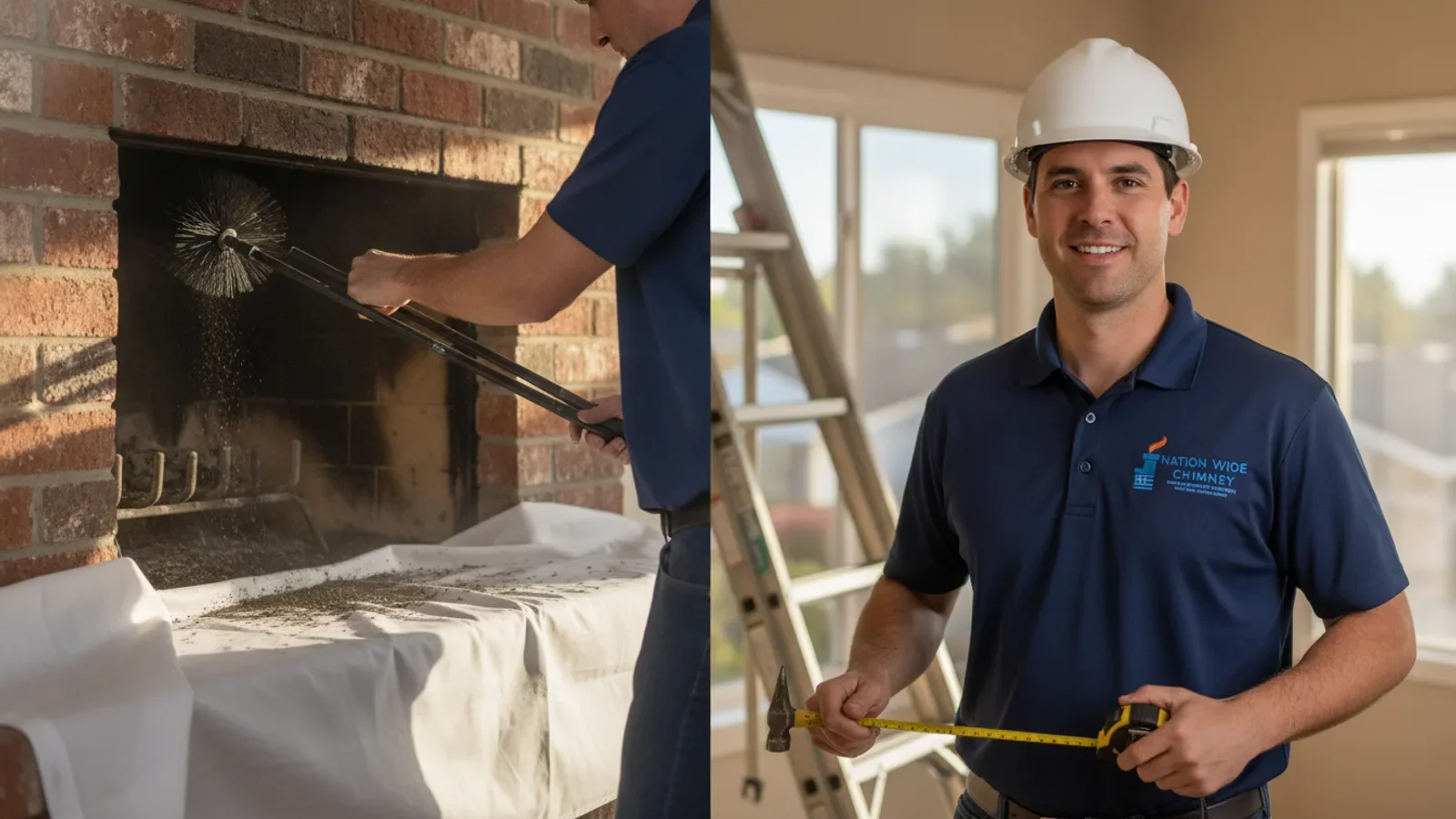
A reputable service provider prioritizes keeping your home pristine. Before any brushes are introduced, technicians lay down heavy-duty drop cloths to protect the flooring around your hearth. High-powered dust collection vacuums with HEPA filters are set up to capture fine soot particles before they can escape into your living space. The fireplace opening is often sealed with plastic sheeting to ensure all dislodged debris remains fully contained.
The Mechanical Brushing Process
Our technicians use specialized, flexible rods equipped with heavy-duty wire or polypropylene brushes designed specifically for your flue type. These brushes are run up and down the entire length of the flue, scraping away accumulated soot, flaky creosote, and organic obstructions. This mechanical action ensures the flue lining is restored to its original diameter, restoring safe airflow and drafts.
Debris Removal and Final Safety Verification
Once the brushing is complete, the technician uses specialized hand tools to clean the smoke shelf, damper, and firebox floor. All loose soot and debris are carefully vacuumed up and removed from your property. The service ends with a detailed visual verification of the damper operation and a complete safety briefing, ensuring you understand the condition of your system before lighting your next fire.
The Financial and Safety Benefits of Proactive Chimney Repair
Avoiding Total Masonry Reconstruction
Ignoring minor cracks in your brickwork or allowing a damaged crown to remain open to the elements leads to rapid deterioration. What begins as a simple masonry touch-up can quickly escalate into a complete teardown and rebuild of the entire stack. Routine cleaning and sealing help keep moisture out of the system, extending the life of your masonry and saving you thousands of dollars in major reconstruction costs.
Preserving the Structural Integrity of Your Home’s Roof and Attic
Water leaks through damaged flashing or cracked brickwork don’t just affect the fireplace. This moisture travels along rafters, saturating ceiling insulation and warping drywall. Over time, wood rot can weaken the roof decking surrounding the stack, requiring extensive structural roofing repairs. By keeping your venting system watertight, you protect the structural skeleton of your entire home.
Enhancing Property Value and Peace of Mind
A well-maintained, clean fireplace is a highly attractive feature for future homebuyers. During real estate transactions in Sunnyvale, home inspectors scrutinize the fireplace for signs of neglect, cracked flues, or water intrusion. Keeping up with regular maintenance ensures your system passes inspection, preserving your home’s equity and giving you complete peace of mind every time you gather around the hearth.
Frequently Asked Questions
How often should I have my chimney swept in Sunnyvale?
It is highly recommended to have your system inspected at least once a year, with a sweeping performed as needed based on the accumulation of soot and creosote. Even if you do not use your fireplace frequently, annual inspections help identify bird nests, seasonal debris, and moisture intrusion before they cause serious damage.
What is the difference between chimney sweeping and chimney repair?
Sweeping focuses on cleaning the flue and firebox by removing soot, ash, and dangerous creosote buildup. Repair involves fixing physical damage to the structure, such as replacing cracked flue liners, tuckpointing crumbling mortar joints, sealing a cracked concrete crown, or replacing damaged roof flashing.
How can I tell if my chimney has water damage?
Common signs of water damage include white powdery staining on the exterior bricks (efflorescence), flaking or crumbling brickwork (spalling), rusted dampers, water dripping into the firebox during rainstorms, and musty odors or damp patches on walls adjacent to the fireplace.
Can I sweep my own flue to save money?
While some homeowners attempt DIY cleaning, it is not recommended. Sweeping requires specialized brushes, powerful HEPA vacuums, and professional training to avoid releasing fine soot into your home. Furthermore, a DIY clean lacks the diagnostic camera inspection needed to identify hidden cracks, mortar decay, and structural fire hazards.
Protect Your Hearth with Nation Wide Chimney Sweep & Repair
Do not let hidden blockages, dangerous creosote, or progressive water damage threaten your home’s safety and structural integrity. Contact Nation Wide Chimney Sweep & Repair today to schedule your comprehensive chimney inspection and cleaning in Sunnyvale and ensure your fireplace remains a safe, efficient, and welcoming feature for years to come.