On a still Sunnyvale morning, when fog lifts off the South Bay and sun warms the roofs across Cherry Chase and Lakewood Village, many homeowners eye the ladder in the garage and think about tackling projects themselves. If you are considering DIY chimney cleaning, you are not alone. Our city is full of capable people who enjoy caring for their homes. The key is to approach the task with a plan that respects safety, matches your specific chimney, and recognizes when to pause and call for help. Done well, a homeowner’s effort can complement professional care and keep your fireplace ready for cool evenings. Done hastily, it can stir soot into your home or invite risks you do not want. Start by understanding what thorough, safe chimney cleaning actually involves in Sunnyvale.
Every house tells its own story. If yours is a mid‑century ranch with a masonry chimney, your approach will differ from a remodel that added a stainless liner or a factory‑built system. Before you move a single tool, identify what you have. Look up from the firebox with a light, check the damper, and, if safe, observe the exterior from the yard. Knowing your flue material, size, and path prevents missteps like using an abrasive brush on a delicate liner or trying to force a too‑large head through a tight offset.
Preparation that keeps your living room clean
Sunnyvale’s open floor plans and bright, airy rooms are a joy, but they make soot containment essential. Begin by clearing the area around the hearth. Protect nearby furniture with clean drop cloths, seal carefully where needed, and stage a vacuum with proper filtration for fine particles. Household vacuums tend to redistribute soot; a tool meant for fireplace debris keeps dust from drifting when an unexpected puff of residue comes free. Take a quiet moment to plan where you will set rods as you add sections so you are not stepping over them or knocking them into furniture.
Good lighting is not optional. A headlamp leaves both hands free, and a small inspection mirror lets you confirm progress at angles where your eyes cannot. As you prepare, remind yourself that this is a slow activity. Shortcuts tend to create more work later, and the calm pace you set now will carry you safely through the rest of the job.
Roof safety in a city of breezes and morning dew
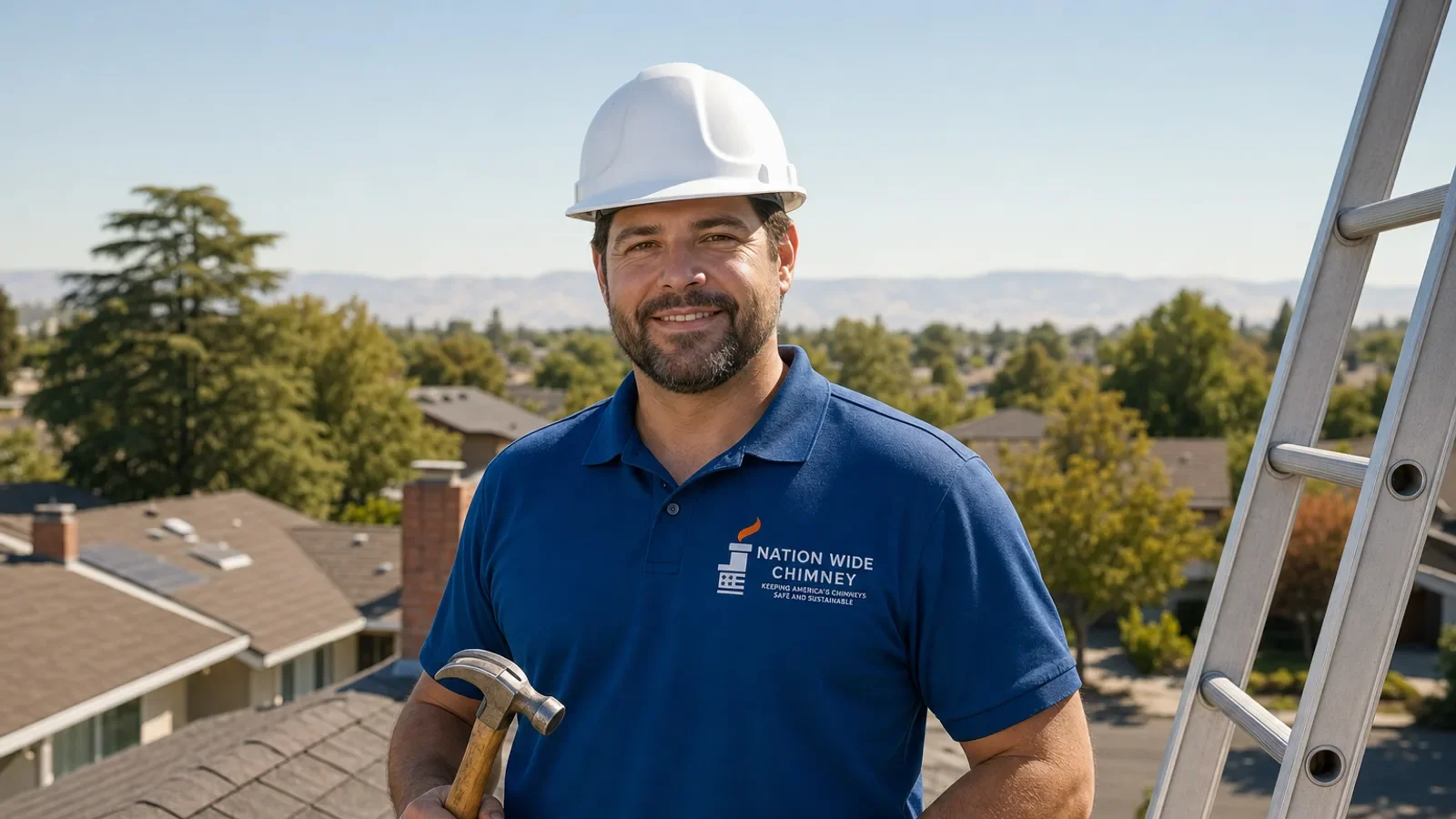
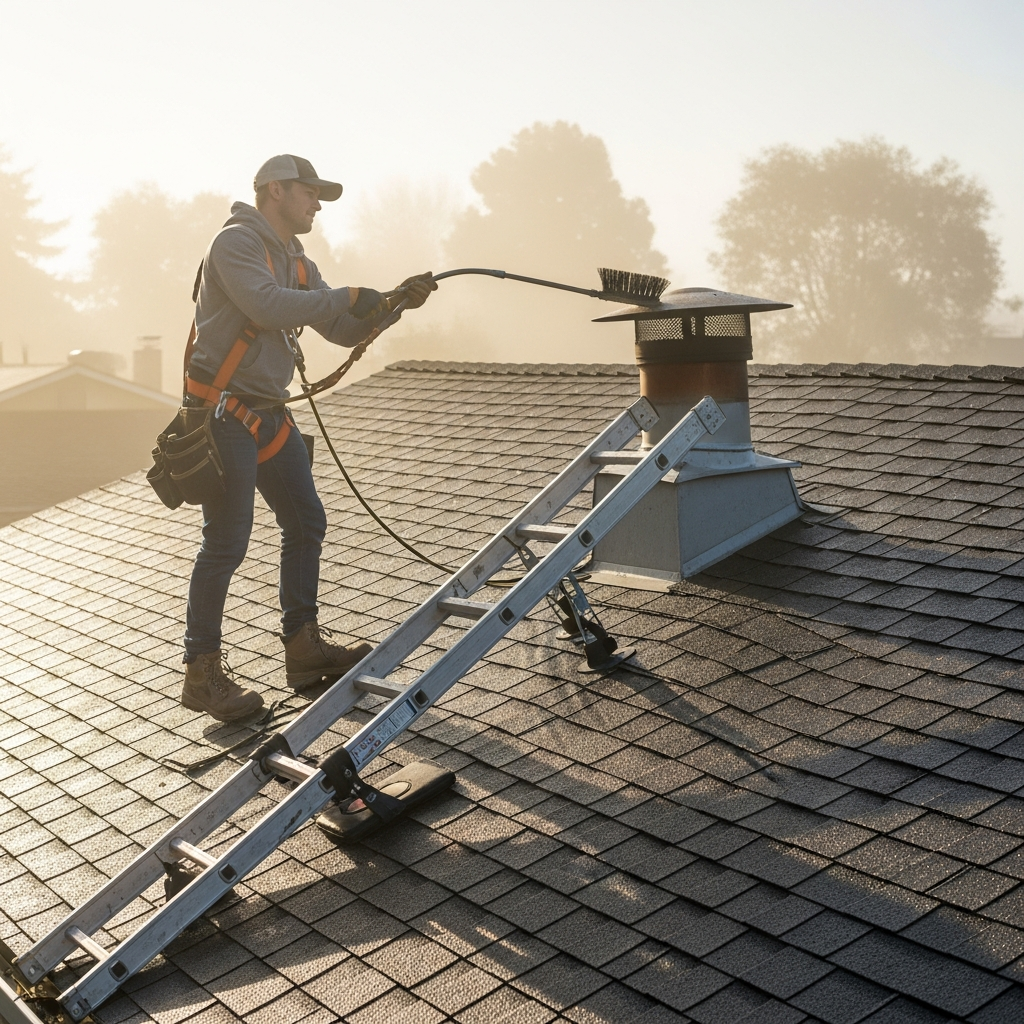
Even experienced DIYers approach roofs with humility. In Sunnyvale, damp mornings can leave shingles slick until midday, and afternoon breezes can surprise you when you reach for a tool. Choose clean, non‑slip footwear, place your ladder on stable ground with pads to protect the eave, and consider a harness and lanyard if you will be near an edge. Clear peripheral obstacles like branches or vent pipes before you climb so you have room to maneuver the brush and rods without reaching awkwardly. If your home has solar panels or skylights close to the chimney, plan your path carefully to avoid contact.
If any of this feels even slightly uncertain, postpone or consider working from below with proper containment. There is no prize for pressing ahead on a risky roof. In our climate, waiting for dry, calm conditions usually means waiting only a day or two.
Brush and rod choices that match your chimney
The right brush is the one that makes full, safe contact with your flue. For clay liners, stiffer bristles can work well, but for stainless steel, a poly head is kinder and still effective. Size matters more than anything: an undersized brush leaves residue; an oversized one can bind. Flexible rods navigate offsets in remodeled homes, while stiffer rods suit straight masonry runs. If you use a drill‑assisted system, keep speed moderate and pay attention to feedback. Manual brushing can be slower but often gives you the feel you need to sense when you are making real progress versus just polishing the same spot.
Before the first pass, visualize the path from cap to firebox. Anticipate tight spots and plan how you will support the rods as you add sections. The most common DIY mishap is a stuck head. To reduce that risk, keep joins snug, avoid sudden angle changes, and work with even, patient strokes.
Technique that favors patience over force
Begin with gentle passes and build intensity as you read the residue. Powdery soot will lift fast; sticky deposits ask for slower, repeated contact. If you encounter a glossy surface that resists bristles, do not force it. That sheen can mean glazed creosote, and continuing with the same method can worsen the problem or damage your flue. This is the moment to stop, clean up, and consider a professional evaluation.
Inside the firebox, collect loosened debris without stirring it into the room. Let the dust settle between steps, then vacuum with controlled, steady movements. Inspect the smoke chamber and damper area, where residue loves to hide in little ledges and corners. A small brush dedicated to these areas can be helpful, and a patient hand is your best tool.
Testing draft and recognizing air supply issues
After cleaning, test the draft with a smoke pencil or an incense stick. Watch the way the smoke moves. In tightly sealed Sunnyvale homes, you may need to provide make‑up air briefly during startup by cracking a nearby window. If smoke hesitates or spills, it could indicate lingering residue, a cap or screen that needs attention, or an unrelated issue like competing exhaust from a strong range hood. DIY success includes recognizing when the chimney is clean but the house’s systems need a little choreography to help the fire breathe.
When your test looks good, note what you did and what you observed. Over a season or two, those notes become your guide to easier starts and fewer surprises. They also make any professional visit more efficient because you can describe patterns clearly.
Seasonal timing in the South Bay
The friendliest window for DIY chimney work is usually late spring through early fall, when roofs are dry and schedules are flexible. If you wait until the first cool evenings in October to start planning, you will share the calendar with a wave of neighbors. By tackling your checkup earlier, you gain safer working conditions and peace of mind when the first rain arrives and you want a cozy fire.
Weather also shapes deposit behavior. After a stretch of damp mornings, short, low‑temperature burns can leave a tacky run that asks for more deliberate passes. After crisp, dry weeks, soot can be lighter and easier to remove. Adjust your expectations based on the conditions your chimney has experienced.
When to stop and call for help
DIY is at its best when it respects limits. If you find evidence of animals, notice cracked tiles or loose mortar, struggle with a stuck brush, or see shiny glaze, pause. There is courage in knowing when a job requires specialized tools or a different approach. Professional technicians bring camera inspections, specialty heads, and years of judgment that replace guesswork with steady progress. In a city like ours, where homes mix old and new features, that breadth of experience is worth leaning on when the situation demands it.
It is equally smart to call for help if roof access feels unsafe or if indoor containment fails and soot drifts farther than expected. A quick reset with the right equipment can save you hours of cleanup and frustration.
Common Sunnyvale DIY questions
How often should I clean my chimney if I burn only on weekends?
An annual check suits many weekend burners, with timing adjusted based on what you find and how your fires behave. If starts get smokier or odors increase on damp mornings, move your check earlier.
Is drill‑assisted brushing better than manual?
Neither is universally better. Drill‑assisted systems can speed long, straight flues with light soot. Manual brushing offers more feedback, especially in liners or when deposits are tacky. Choose the method that respects your flue’s material and current condition.
Can I clean from the bottom instead of the roof?
Yes, many homeowners do, especially when roof conditions are uncertain. The key is thorough containment and visibility so loosened soot does not escape. Work slowly, check progress often, and be prepared for more cleanup at the hearth.
What signs tell me to stop?
Shiny, glazed deposits, unexpected blockages, damaged tiles, or a brush that binds repeatedly are all signs to pause. Also stop if the roof feels even slightly unsafe or if indoor dust control fails. Better to regroup than to push through and risk damage or injury.
What should I do after cleaning?
Test the draft, tidy the area, and note any observations about smoke behavior. Burn seasoned wood, start fires with ample kindling for a hot, clean start, and schedule a professional visit if anything you saw raises questions.
DIY success in Sunnyvale comes from good prep, careful technique, and the humility to ask for help when a situation turns complex. If that sounds like your approach to other projects, you are halfway there already. Treat the chimney as a system, from cap to hearth, and you will keep your home cleaner and your fires more enjoyable.
When you would rather skip the ladder work or want a baseline inspection and cleaning before you take on light maintenance, bring in steady hands for professional chimney cleaning and relax into the season knowing your Sunnyvale fireplace is ready for the first cool night.