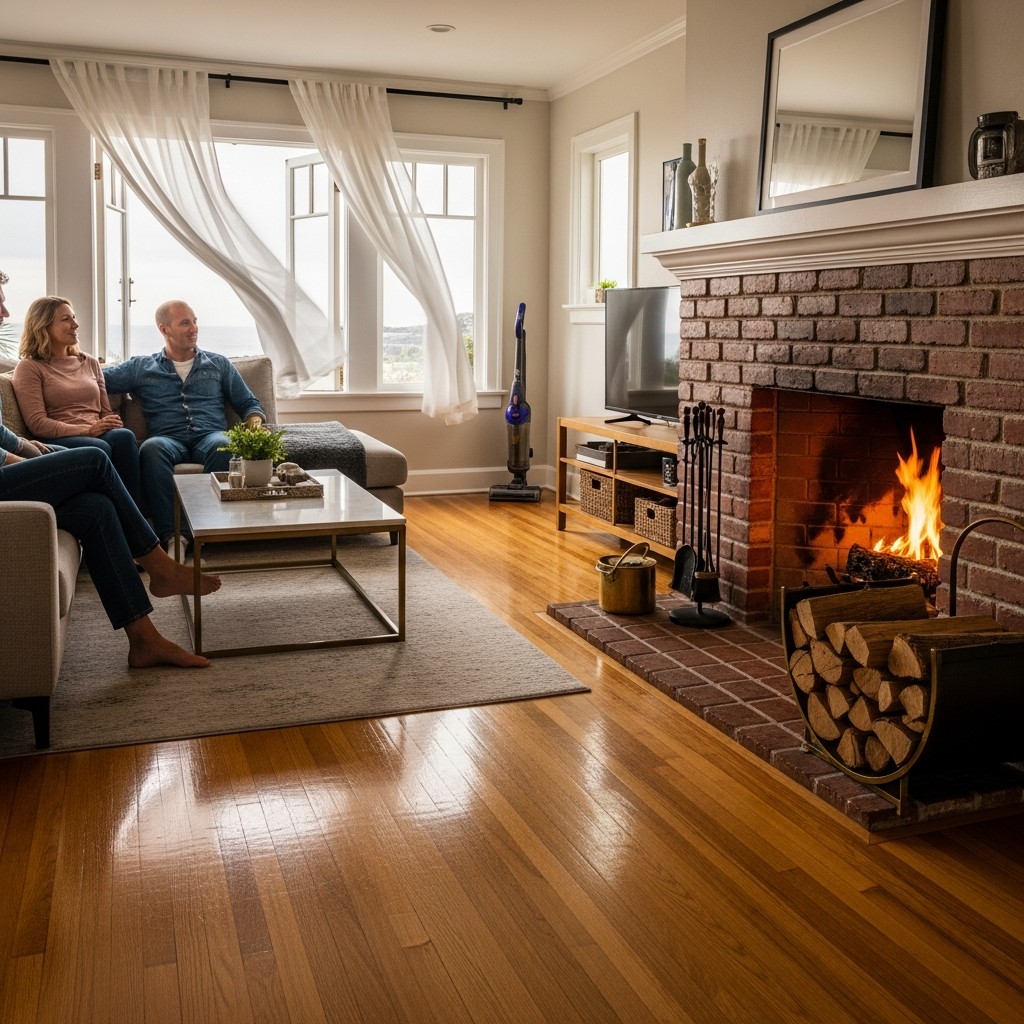
In Sunnyvale, where blue-sky afternoons give way to cool evenings and family rooms become gathering spots, taking a proactive approach to chimney maintenance pays off. Rather than waiting for smoky odors or a stubborn draft to tell you something is wrong, a plan built around timely chimney cleaning, sensible habits, and seasonal checkpoints keeps your fireplace running smoothly and safely. Having worked in homes from Ponderosa Park to the Heritage District, I have seen the difference a well-timed sweep and inspection make. Fires start easily, glass stays clear, and the living room smells like your home—not your chimney.
Build a Calendar That Matches Sunnyvale’s Seasons
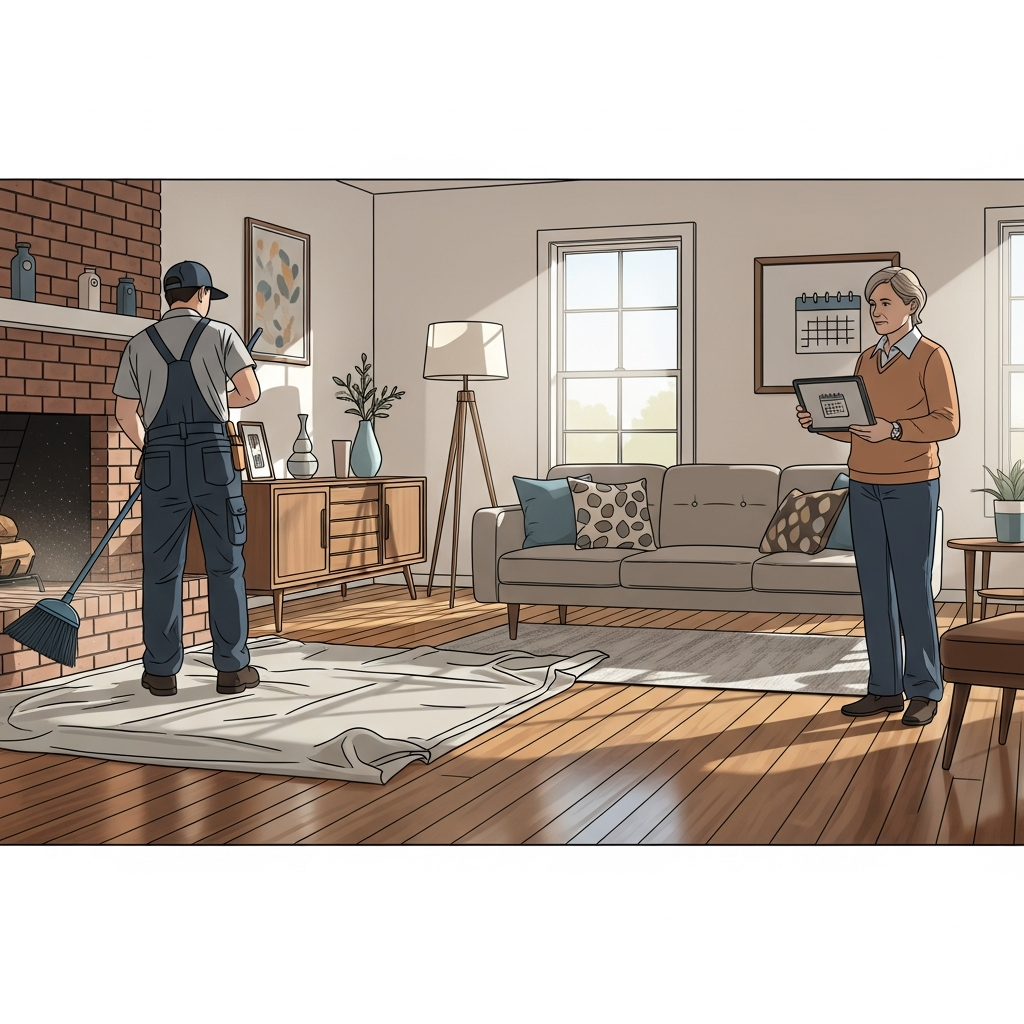
The backbone of proactive care is a calendar that reflects how we actually use fireplaces in the South Bay. Late summer through early fall is prime time for an annual cleaning and inspection. That window offers comfortable weather for roof work and leaves a buffer for minor fixes before the first cool front arrives. If your family burns several times a week once the holidays hit, pencil in a mid-season check to refresh the flue, confirm the cap is clear after wind events, and ensure the damper is opening fully. A quick spring review closes the loop, removing any moisture-laden soot so the system dries thoroughly during our mild summers.
Staying ahead of the calendar reduces the chance of surprise odors in February or a temperamental draft when guests gather. It also helps you spot small trends—like a cap screen that tends to clog in windy weeks or a damper that drifts out of alignment—so they can be corrected before they affect performance.
Know Your System: Masonry, Prefab, Gas, or Pellet
Each system responds differently to time and use. Masonry chimneys benefit from eyes on the crown, flue tiles, and mortar joints. Factory-built systems rely on intact metal liners, chase covers, and storm collars. Gas inserts thrive when burners and exhaust paths are clean, and pellet stoves need ash management to prevent nuisance shutdowns. A proactive plan accounts for those differences. During routine cleaning, pay attention to the technician’s notes and photos so you understand where your particular system tends to age. Knowing that your clay tiles are sound, your stainless liner is spotless, or your chase cover needs a watchful eye turns maintenance into a predictable routine instead of a scramble.
In older Sunnyvale ranch homes, we often see crowns that have developed hairline cracks—nothing dramatic, but enough to admit moisture. Prefab units may show rust halos around a storm collar or a cap screen that vibrates in wind. Addressing these small issues right after cleaning sets you up for a calmer season with fewer surprises.
Improve Draft with Small Daily Habits
Proactive maintenance is not just annual; it is also how you burn week to week. Let the fire establish a bed of coals before closing the glass doors. Crack a window slightly if a strong range hood is running so the fireplace does not have to fight for make-up air. Use seasoned wood stored under cover and off the ground; it lights more quickly and smokes less, which keeps creosote accumulation lower between cleanings. For gas units, glance at the flame pattern now and then. A balanced, steady flame with clean edges is a sign that pathways are clear and combustion is healthy.
Pellet stove owners benefit from emptying the ash pan regularly and giving the burn pot a light cleaning according to the manufacturer’s guidance. These simple actions keep airflow stable and let the chimney and exhaust components do their job without strain.
Plan for Weather and Wind
Sunnyvale’s gentle climate still has its quirks. Gusty afternoons can encourage downdrafts if a cap is undersized or if the flue is constricted by soot. After a wind event that coats cars and patios with a fine film, check that your cap screen is not holding the same debris. Winter rains, especially during stronger systems, test crown seals and chase covers. The proactive approach is to pair cleaning with a thorough top-side review, so each weather pattern has fewer opportunities to cause mischief. If your home sits where wind funnels between neighboring structures, consider discussing cap style options during the next inspection to better tame turbulence.
Our dry autumns also carry the risk of embers. A snug spark arrestor cap is part of the plan, reducing the chance of stray sparks exiting the flue and discouraging animals from building nests during the off-season.
Keep Records and Watch for Patterns
After each cleaning, file the report and photos with your other home maintenance records. Over time, those notes paint a picture of how your chimney behaves. You might notice that glass stays clear for longer after a mid-season refresh or that a particular wind direction encourages minor backpuffing. Share those observations at the next visit. The more your technician knows about your experience between appointments, the more precisely they can tailor recommendations and catch small changes before they grow.
For homeowners planning renovations, records become doubly valuable. If you are considering a gas insert for convenience or a pellet stove for steadier heat, past reports help determine what upgrades make the most sense and what preparatory work will protect your investment.
What a Complete Cleaning and Inspection Looks Like
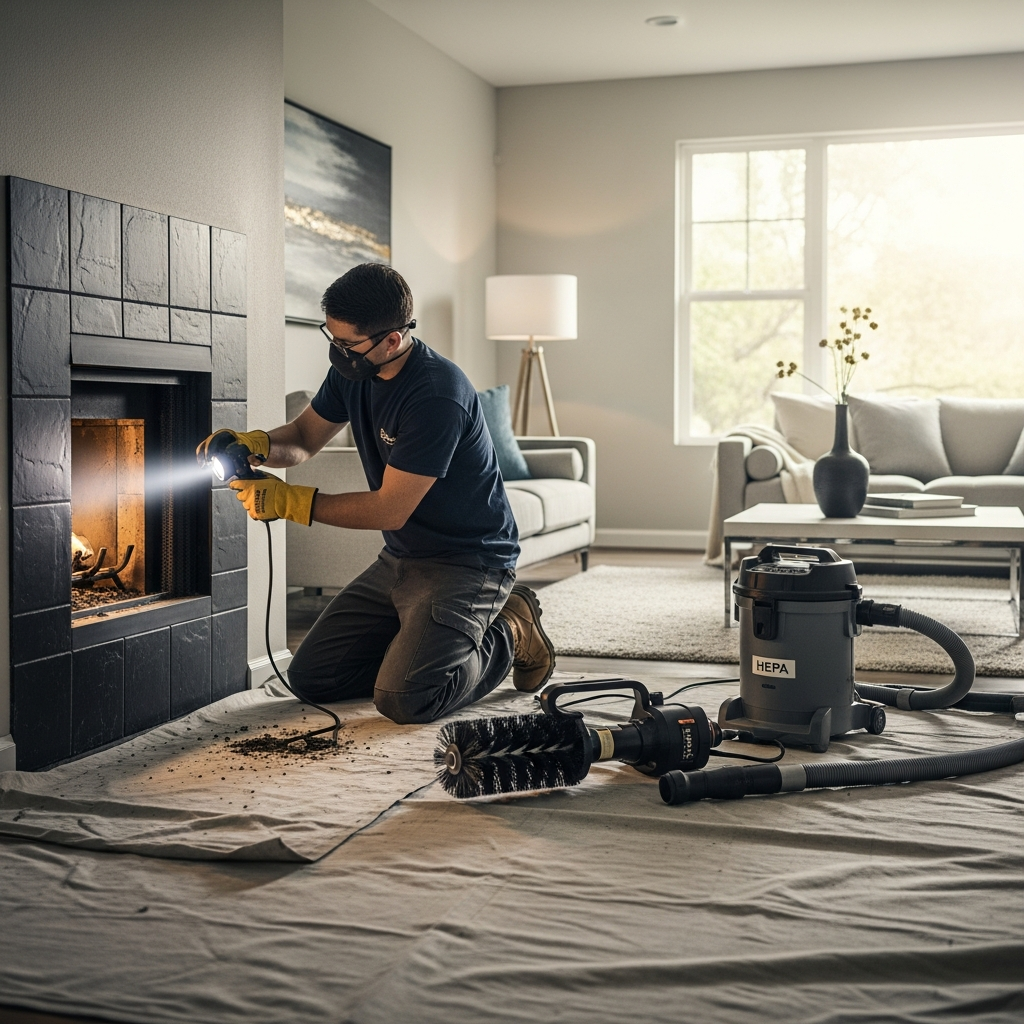
A proactive mindset appreciates thoroughness. A complete service protects floors and furnishings, clears the firebox and smoke shelf, and sweeps the flue to remove soot and creosote. It then moves top-side to confirm that the cap, crown, flashing, and (on prefab units) chase cover and storm collar are sound. For gas appliances, it includes cleaning burners, checking gaskets, and verifying exhaust pathways. The visit should end with clear photos and plain-language findings. With that information, any small issues—like a loose fastener on a cap or a hairline crown crack—can be scheduled for attention long before they affect how your fireplace burns.
In practice, homeowners feel the difference immediately. Fires start with less fuss, glass stays clearer, and the room smells fresher. Just as importantly, the next service interval becomes easier to plan because you know exactly where things stand.
Mid-Season Confidence
Many Sunnyvale families find that the holidays and cooler evenings add up to heavier use than expected. By January, the fireplace can feel a little tired. A quick mid-season cleaning restores draft and tidies up deposits from those busy weeks. It is also a strategic time to check the cap, which may have collected windblown debris. If you maintain a recurring schedule with a local team for professional chimney cleaning, you will move through the entire burn season with steadier performance and fewer surprises.
Signals That Say “Call Now”
Even the best plans leave room for real life. If you notice persistent smoke spillage, an ashy or musty odor after rain, unusually rapid glass discoloration on a gas insert, or flakes of black material in the firebox, it is time to schedule service. Those signs do not need to inspire alarm; they are simply the chimney’s way of asking for attention. A prompt sweep and inspection resolve most issues quickly and safely.
FAQs
Q: How often should I schedule chimney cleaning in Sunnyvale? A: Aim for once a year, timed for late summer or early fall. If you burn heavily or rely on a pellet stove for steady heat, add a mid-season check for peak performance.
Q: Do gas fireplaces need proactive maintenance too? A: They do. Cleaning burners and exhaust pathways keeps the flame pattern balanced, reduces glass fogging, and helps the appliance run at its intended efficiency.
Q: What simple habits make the biggest difference? A: Burn seasoned wood, establish a good coal bed, avoid trash or glossy paper, and give the fireplace a small source of make-up air when powerful fans are running. These steps lower soot between cleanings.
Q: Will a proactive plan help with odors after rain? A: Yes. Removing soot, sealing crowns, and ensuring the cap fits snugly allow the flue to dry quickly, which tames the damp, ashy smell that sometimes follows storms.
Q: Is there a benefit to keeping photos from each inspection? A: Absolutely. Photos document small changes—like a growing hairline crack or a cap that begins to rust—so you can act early and avoid bigger repairs later.
Q: Can I skip cleaning if I barely used the fireplace this year? A: Light use still leaves residue, and chimneys can gather debris or animal activity during the off-season. An annual check keeps the pathway clear and verified.
Your home deserves a fireplace that lights easily, warms steadily, and stays clean between burns. If you are ready to shift from reactive fixes to a plan that simply works, schedule your next chimney cleaning with a local team that understands Sunnyvale’s homes and seasons. You will feel the difference on the very next fire—and enjoy the peace of mind that comes with a well-cared-for hearth.