If you have lived in Sunnyvale for a few seasons, you already know that our cool nights appear suddenly, often after a stretch of sunny afternoons. That first hint of a chill sends many of us reaching for logs or the remote control to ignite a gas insert, and it is at that moment we are reminded of the quiet work our chimneys do every day. Deciding how often to schedule chimney cleaning is less about memorizing a universal rule and more about matching maintenance to your home, your habits, and our local weather. As a long-time local, I have seen how a thoughtful plan keeps firelight easy and indoor air fresh from Heritage District bungalows to townhomes near Moffett Park. And if you are lining up your next appointment, starting with reliable chimney cleaning is the best way to make sure the season unfolds smoothly.
Frequency depends on how you use your fireplace, the type of system you own, and the signals your home gives you. A wood-burning masonry fireplace that glows every weekend during the cooler months typically benefits from annual service. A gas insert that serves as an occasional accent may feel fine with a different cadence, though it still deserves regular checks to ensure clean combustion and a clear vent path. Layer onto that Sunnyvale’s microclimates—tree-heavy streets near Washington Park, breezy pockets that ripple through open neighborhoods—and it becomes clear why local guidance beats generic schedules every time.
Start With Your System Type
Masonry fireplaces, which anchor many mid-century Sunnyvale homes, produce residue that accumulates in the flue, smoke shelf, and firebox. The rate of buildup varies with wood quality and burn temperature, but a yearly appointment is a reliable rhythm for most households that enjoy regular fires. Prefabricated systems, common in remodeled homes and newer builds, call for maintenance that adheres to manufacturer guidelines, including periodic checks of chase covers, terminations, and the integrity of factory connections. Gas fireplaces and stoves burn cleaner than wood, but they still create fine particulates and rely on properly sealed and unobstructed vents; they benefit from regular inspection and seasonal cleaning to keep flames even and glass clear.
For pellet stoves and inserts, the frequency can be tied to use in a very direct way: more hours of operation mean more ash and fines in the vent. If you rely on pellets for steady winter warmth, plan on a consistent schedule—often at least once per season—to maintain strong draft and reliable operation.
Match Timing to Sunnyvale’s Seasons
Our Mediterranean climate brings a rainy stretch that, while gentle compared to harsher regions, still places moisture demands on chimneys. Spring is an excellent time to schedule because the cool months are fresh in memory and any weathering at the crown or chase cover is easiest to spot. Early summer also works well, giving you a long runway before autumn gatherings. The beauty of booking outside the fall rush is simple: you get flexibility, a relaxed pace, and plenty of time to address small items before the first big evening by the fire.
That said, the right time is always before your next period of frequent use. If your family tradition begins with the first crisp October night, aim to have your appointment on the calendar ahead of that. Planning early ensures you will not be competing with neighbors for the same week in late fall, and it sets you up for a season of easy light-ups and clean, pleasant air.
Listen to Your Fireplace
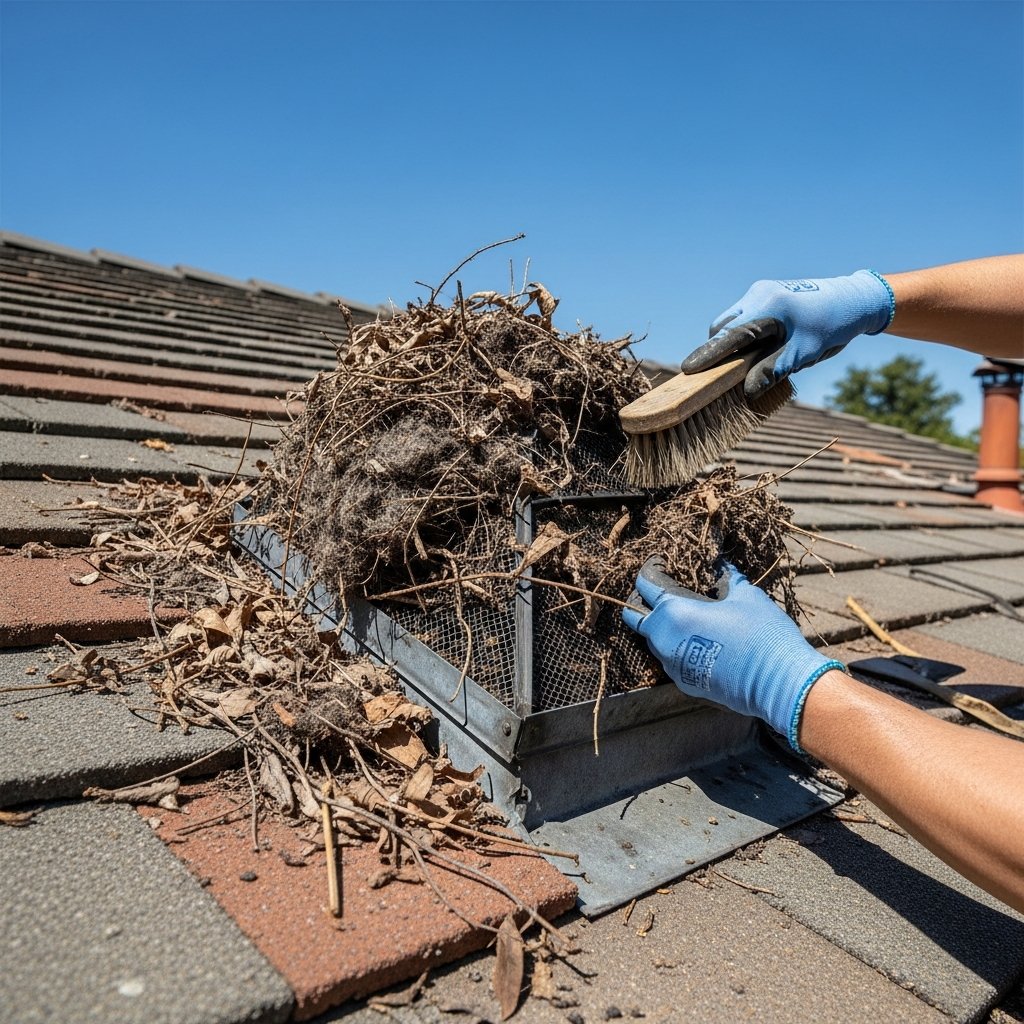
Schedules are helpful, but your fireplace’s behavior tells the truest story. If you smell a sour or smoky odor on warm afternoons, if smoke lingers in the room longer than it did last year, or if you notice soot flecks on the hearth after a calm evening, those are your home’s way of asking for attention. New noises at the cap on a windy night, or signs of bird interest in spring, are also reliable clues. Sunnyvale’s tree-lined streets make nesting attempts common; a clear, secure cap with intact screen keeps wildlife out and airflow strong.
For gas units, hazy glass, changes in flame pattern, or a faint odor signal it is time to take a closer look. Even if you do not use the unit often, fine deposits can collect and terminations can catch pollen or dust. A quick, professional check keeps performance satisfying and the view of the flames pristine.
After a Remodel or Energy Upgrade
Many Sunnyvale homeowners invest in air sealing, new windows, or insulation upgrades that change how air flows indoors. While these improvements are great for comfort and efficiency, they can alter how easily your fireplace establishes draft. If you have noticed sluggish starts or a tendency for smoke to spill early in the burn after a remodel, do not ignore it. A professional can confirm that the damper moves freely, that the venting is aligned with the appliance, and that you have a simple routine—like pre-warming the flue briefly—that restores easy, predictable fires.
It is a good idea to schedule a maintenance visit after significant changes to your home’s envelope. Doing so creates a new baseline and ensures that your fireplace, now part of a tighter building system, continues to behave the way you expect.
Wood Quality and Burning Habits
If your fireplace is wood-burning, your fuel choices play a starring role. Well-seasoned hardwood burns hotter and cleaner, producing less residue. Damp or unseasoned wood, by contrast, smolders and contributes to faster buildup. Starting small, allowing the flue to warm, and adding wood gradually encourages cleaner combustion and, in turn, a chimney that stays cleaner between professional visits. If your fires are mostly for ambiance and are shorter, your schedule may be different than a household that leans on the fireplace for long, steady burns throughout winter.
Homeownership often includes tradition—Friday night fires, guests during the holidays, reading by the hearth on rainy afternoons. When these traditions involve frequent use, align your service interval accordingly. A trusted local pro can fine-tune recommendations based on your patterns, ensuring that your schedule matches real-life use rather than a guess.
Sunnyvale’s Microclimates and Rooftop Realities
From breezy corridors to calm, tree-sheltered blocks, our city’s neighborhoods influence chimney behavior. Caps and screens in leafy streets are more likely to catch debris and should be checked a bit more often, especially in spring. In windier areas, draft can fluctuate on blustery nights, and small obstructions at the termination can make that more noticeable. An inspection that includes a careful look at the cap and screen is essential to maintaining even performance across the season.
On the roof, the condition of the crown or chase cover plays a quiet but critical role in longevity. Hairline cracks admit moisture that can travel into masonry or corrode metal components. Periodic checks and timely maintenance here prevent larger issues later and contribute to a chimney that ages gracefully despite our occasional winter storms.
Creating a Simple, Sustainable Schedule
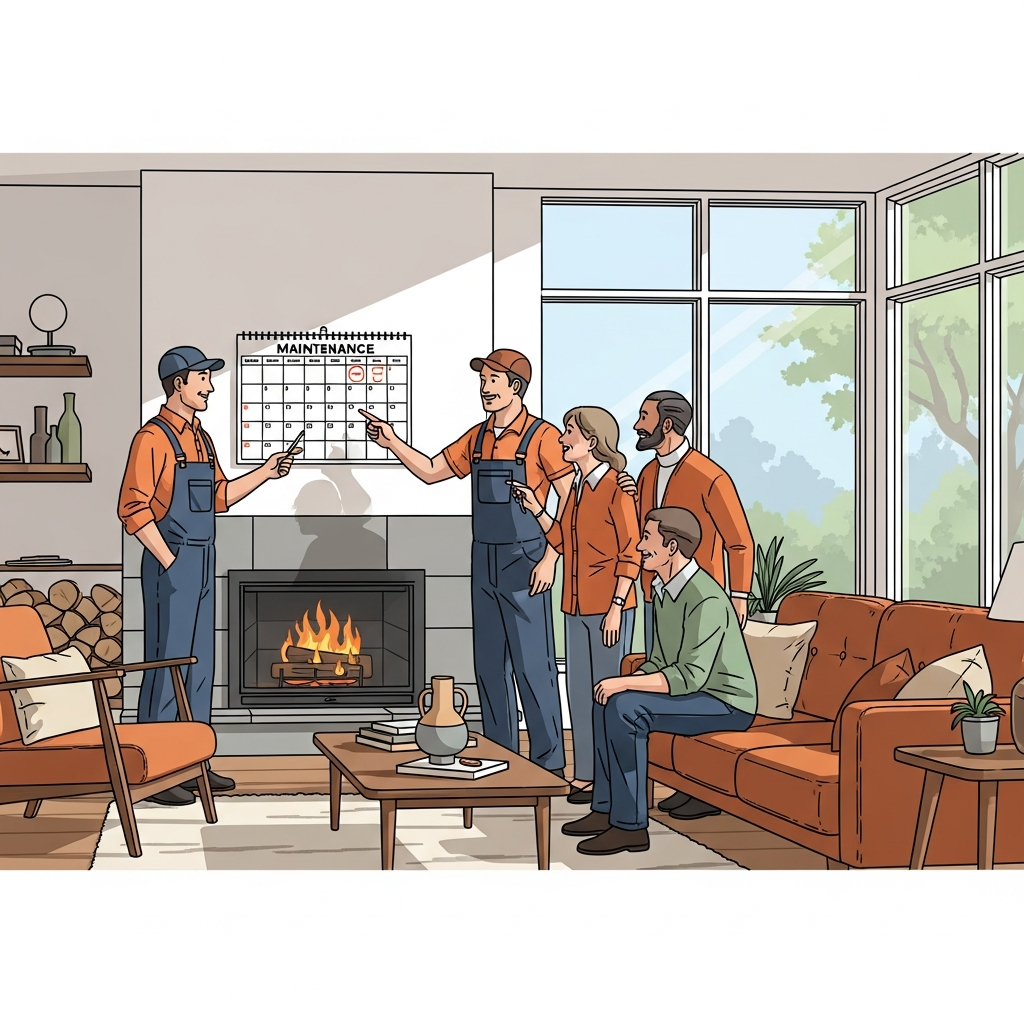
The most successful maintenance plans are easy to remember and to keep. For many Sunnyvale families with wood-burning fireplaces, an annual appointment in late spring or early summer works perfectly. For households with gas inserts used occasionally, set a reminder every year or two to review performance and clean the vent system. Pellet stoves may deserve mid-season attention if they carry a heavy workload. The key is to write your plan down, schedule ahead, and treat your fireplace like the beloved home system it is.
Consider pairing your fireplace appointment with other seasonal rituals—servicing the HVAC in spring, checking smoke and CO detectors, and cleaning gutters after the last rain. Bundling these tasks keeps your home running smoothly without last-minute scrambles.
What to Expect During a Visit
A quality appointment unfolds with predictable calm. Your technician protects floors, explains the steps, and begins with a top-to-bottom review. Brushes and vacuums remove residue methodically, and the damper, smoke shelf, and firebox receive careful attention. Up top, the cap and screen are cleared and secured, and the crown or chase cover is reviewed for weathering. The result is not only a clean pathway for smoke and gasses, but also knowledge of your system’s current condition and any small items worth planning for.
Many homeowners find that once they have a baseline, setting the next appointment becomes easy. Some prefer spring, others late summer before the first big gathering of fall. Either way, a consistent rhythm guided by local insight delivers the warm, clean fires that make home feel like home.
Mid-Season Check-Ins
Occasionally, your fireplace will ask for a quick mid-season look. Perhaps a big windstorm rattled the cap and left a bit of debris on the screen, or a series of long burns left a noticeable odor on a warm day. Calling for a brief check can reset performance and ensure that your holiday plans or winter routines continue without a hitch. Local teams understand these rhythms and can often make quick, targeted visits when needed.
Think of your chimney as a living part of your home—quiet most days, vital when called upon, and appreciative of attention that aligns with how you live. Tuning your schedule to that reality is the surest way to enjoy season after season of easy fires and fresh indoor air.
FAQ: Scheduling and Sunnyvale-Specific Questions
How often should a wood-burning fireplace be cleaned? For most Sunnyvale homes that use their wood-burning fireplaces regularly during the cooler months, yearly service is a strong baseline. If use is heavy or wood is less than perfectly seasoned, consider shorter intervals based on a professional’s observation of residue levels.
Do gas fireplaces need regular maintenance?
Yes. Gas units benefit from periodic inspection and cleaning to keep flame patterns even, glass clear, and vent pathways open. Even occasional users should plan regular checkups, as terminations can collect fine debris over time.
What are warning signs between appointments?
New odors on warm days, smoke that seems slower to pull into the flue, a cap that looks crowded with debris, glass haze on gas units, or unusual sounds during windy nights are all cues to call. Addressing small issues promptly restores smooth performance.
When is the best time of year to book?
Spring and early summer provide ample flexibility and allow you to address any weathering from the rainy months. The key is to schedule before your next period of frequent use, so your fireplace is ready when cool evenings arrive.
Does remodeling affect scheduling?
After air sealing or other energy upgrades, your fireplace may behave differently. It is wise to book a maintenance visit to establish a new baseline and confirm strong draft and proper venting within your updated home.
How do trees near my home affect maintenance?
Trees add beauty and shade, but they also shed leaves and attract birds. Caps and screens in leafy neighborhoods should be checked a bit more often to ensure clear airflow and to prevent nesting.
Will cleaning be disruptive?
A careful professional uses protective coverings, controlled vacuums, and thoughtful techniques that keep your living space clean. Most homeowners are pleasantly surprised by how smooth and tidy the experience is, from setup to final walkthrough.
Sunnyvale’s charm is matched by the comfort of a well-tended fireplace, and the right schedule keeps that comfort ready whenever you want it. If you are planning ahead, need a quick check after a windy week, or want to establish a new routine after a remodel, partner with attentive professional chimney cleaning and enjoy a season of effortless light, steady warmth, and the easy confidence that your hearth is in great shape.