Sunnyvale’s first truly cool evening has a particular feeling: a soft marine layer drifts inland, the sidewalks glisten faintly from a passing shower, and living rooms come alive with the glow of a first seasonal fire. Preparing for that moment is as much about anticipation as it is about safety. Homeowners who schedule a thoughtful inspection and cleaning before winter discover two things. First, their fireplaces light more easily and burn cleaner. Second, the small issues that colder, wetter weather tends to magnify—draft quirks, sticky dampers, cap and crown problems—have been addressed while the roof was dry and the days were long. In our local experience, early planning and professional chimney cleaning are the simplest path to a calm, cozy season.
Sunnyvale’s climate shapes how chimneys age. We don’t face persistent freezes, but we do see cycles of damp evenings, gusty winds, and sudden, wind-driven rain. That combination places special emphasis on sound caps, intact crowns, and reliable flashing at the roofline. When these components do their job, your flue remains dry and clean longer. When they falter, moisture encourages soot to cling, masonry begins to show fine cracks, and odors creep in on humid nights. An inspection timed for late summer or early fall lets a professional evaluate these details and clean the flue to restore a clear draft path before holiday use.
What a pre-winter inspection covers
A well-run appointment is methodical from the first step. Inside, technicians protect flooring, mantels, and furnishings before examining the firebox, smoke chamber, and damper. They look for signs of wear—loose bricks or refractory panels, soot patterns that suggest back-drafting, and residue levels that point to creosote concerns. They verify that the damper opens and seals properly, a small detail that pays dividends in both burning efficiency and off-season comfort by limiting downdrafts.
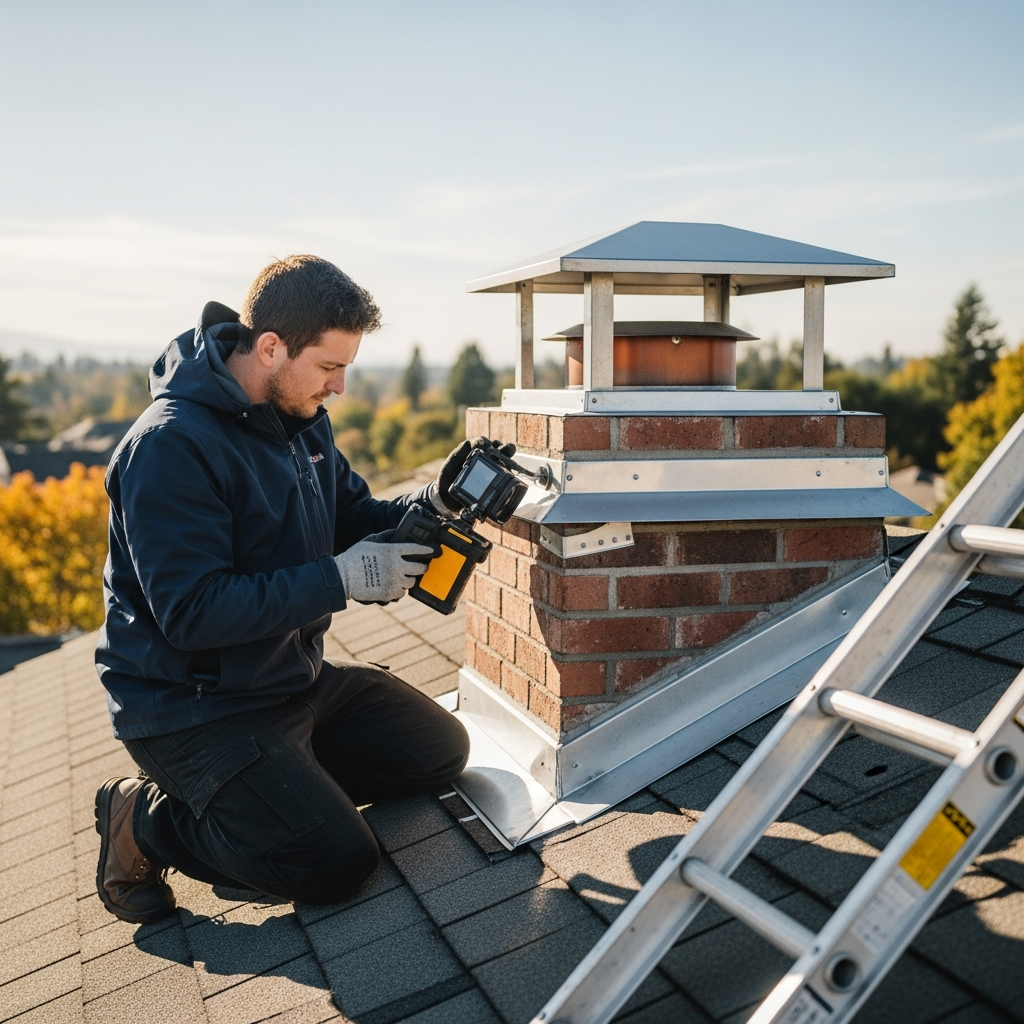
On the roof, attention turns to the cap, crown, and flashing. In our area, caps not only keep rain out but also moderate gusty winds that can send smoke back down a flue. Screens must be intact and properly secured to discourage nesting debris. Crowns are checked for hairline cracks and proper slope so water sheds cleanly rather than pooling and seeping. Flashing is inspected where it meets roofing and siding transitions, with a close eye after re-roofs or solar installations. If anything appears out of place, the technician explains what they see and how it affects performance.
Cleaning as preventive medicine
Cleaning restores the flue’s interior to a condition where smoke travels freely. Brushes and flexible rods are matched to the liner type so deposits loosen without damaging clay tiles or stainless surfaces. A HEPA vacuum captures soot to keep the living room spotless, and the smoke shelf and chamber receive careful attention. The result is improved draft, fewer smoky hiccups when humidity rises, and a fire that starts and sustains more happily. Think of cleaning as resetting the system to a reliable baseline so that the variables winter throws at us—wet wood from a rushed purchase, a surprising wind gust, or a heavy fog—have less power to disrupt your evening.
In years when wildfire smoke has drifted over the Bay Area, exterior components often need extra attention. Fine particulates can accumulate on caps and crowns, and a pre-season visit ensures these surfaces are clear and ready. If the chimney hasn’t been used for a season or two, cleaning also clears any dust and cobwebs that could create odors the first time you light a fire.
Sunnyvale-specific draft considerations
Damp marine air and pressure differences from modern, tight homes can make draft temperamental. If you have a powerful kitchen range hood or multiple bath fans running, those devices compete for the same household air your fireplace depends on. A professional who understands local housing stock can help you sequence appliance use, adjust damper behavior, or recommend make-up air strategies so that your fireplace is less likely to spill smoke. Flue sizing relative to the fireplace opening—or to a later-installed gas log set—is another frequent variable. An inspection before winter is the perfect moment to confirm that your setup is a good match and to make adjustments if needed.
In neighborhoods with mature trees, falling leaves and seed pods can collect around caps and screens. During inspection, technicians check that screens are free of debris and that no nesting materials have begun to take hold. Keeping these areas clear eliminates one of the most common sources of shoulder-season odors and draft problems.
Timing and planning
There is no better time for chimney care than the dry window leading into the season. Late summer and early fall provide safer roof conditions for thorough exterior checks, and any recommended sealant or minor crown work has the weather it needs to cure before the first serious rain. Scheduling early also means you aren’t jostling for a last-minute slot when everyone else in Sunnyvale remembers the first cold snap at the same time. If you missed the early window, don’t worry. A clear day after the first storm still offers a meaningful chance to clean and assess before the heart of winter.
For those who have recently re-roofed, added solar, or completed a remodel, build a chimney check into your project close-out. Adjustments near the roofline and attic can inadvertently affect caps, clearances, or venting. A quick pass by a chimney professional catches such issues before you light a celebratory first fire.
What to expect during the visit
From the moment a technician arrives, you should see a systematic process: floor protection, equipment staging, damper check, and then careful cleaning. Communication is key. A reputable professional explains findings as they go, answers questions in plain language, and leaves you with clear next steps—whether that’s simply enjoying your clean fireplace or considering a cap upgrade or minor masonry tune-up. The best visits end with your living room as clean as before, a clearer understanding of your system, and confidence that your first winter fire will feel effortless.
Don’t be surprised if you receive practical burning advice as part of the visit. Dry, seasoned wood makes all the difference, and learning to warm the flue gently on damp nights can head off the small puffs of smoke that frustrate so many homeowners. These tips cost nothing and often improve your experience more than any gadget.
Frequently asked questions
How often should I schedule inspection and cleaning? For most Sunnyvale homes, an annual check before winter is ideal. If you burn frequently or noticed performance issues last season, consider more frequent attention.
Will service be messy? With proper containment and HEPA filtration, no. Professionals protect your home, manage soot, and leave the hearth and surrounding area tidy.
Do gas fireplaces need inspection? Yes. Gas appliances still rely on safe venting, and components can shift or wear. Periodic checks confirm everything is operating within safe parameters.
What if my fireplace smoked last year? Mention it when you schedule. A pre-season visit is the best time to evaluate draft variables, flue sizing, and cap conditions so the issue doesn’t repeat.
Can I wait until after the first storm? You can, but earlier is better for roof safety and for addressing any minor exterior work that needs dry weather to cure.
Does an inspection include the roof? A thorough visit considers both interior and accessible exterior components. Caps, crowns, and flashing deserve as much attention as the flue itself.
Set the stage for a calm, cozy season
If your goal is a winter of easy light-ups and clean, cheerful fires, now is the time to act. Schedule your pre-season inspection and professional chimney cleaning, take care of the small details that protect performance, and step into the cooler months with confidence. When the first damp night arrives, you’ll have a home that’s ready—safe, efficient, and wonderfully welcoming.