Safety Starts with Chimney Cleaning and Inspection in Sunnyvale
In Sunnyvale, safety around the hearth is not just about what happens on a winter evening when you strike a match. It begins well before the first fire of the season, with a chimney that vents freely, a firebox that is clean and sound, and a system that has been evaluated by someone who understands how our local climate affects your home. As a longtime South Bay technician, I have seen how thoughtful chimney cleaning and thorough inspection make every fire easier to start, cleaner to enjoy, and safer for your family. If you have been considering chimney cleaning, here is how a safety-first approach works in Sunnyvale and why it matters.
Sunnyvale’s neighborhoods are full of character—from quiet cul-de-sacs lined with ranch homes to townhome communities near lively corridors. That variety shows up in chimneys, too. Some are original masonry with clay tile liners; others are factory-built systems or metal liners installed during remodels. Each needs specific care. When we focus on safety, we start by respecting those differences, then we build a plan that fits your fireplace and your household’s habits.
The Two Pillars: Cleaning and Inspection
Cleaning removes the material that can ignite or block airflow. Inspection verifies that the structure and the path are sound. They work together. A clean flue drafts better and reveals its condition more clearly, while a careful inspection confirms that cleaning reached every section and that no hidden issue remains to surprise you later. In Sunnyvale, where seasonal winds and occasional rain influence deposits and moisture, that combination is essential.
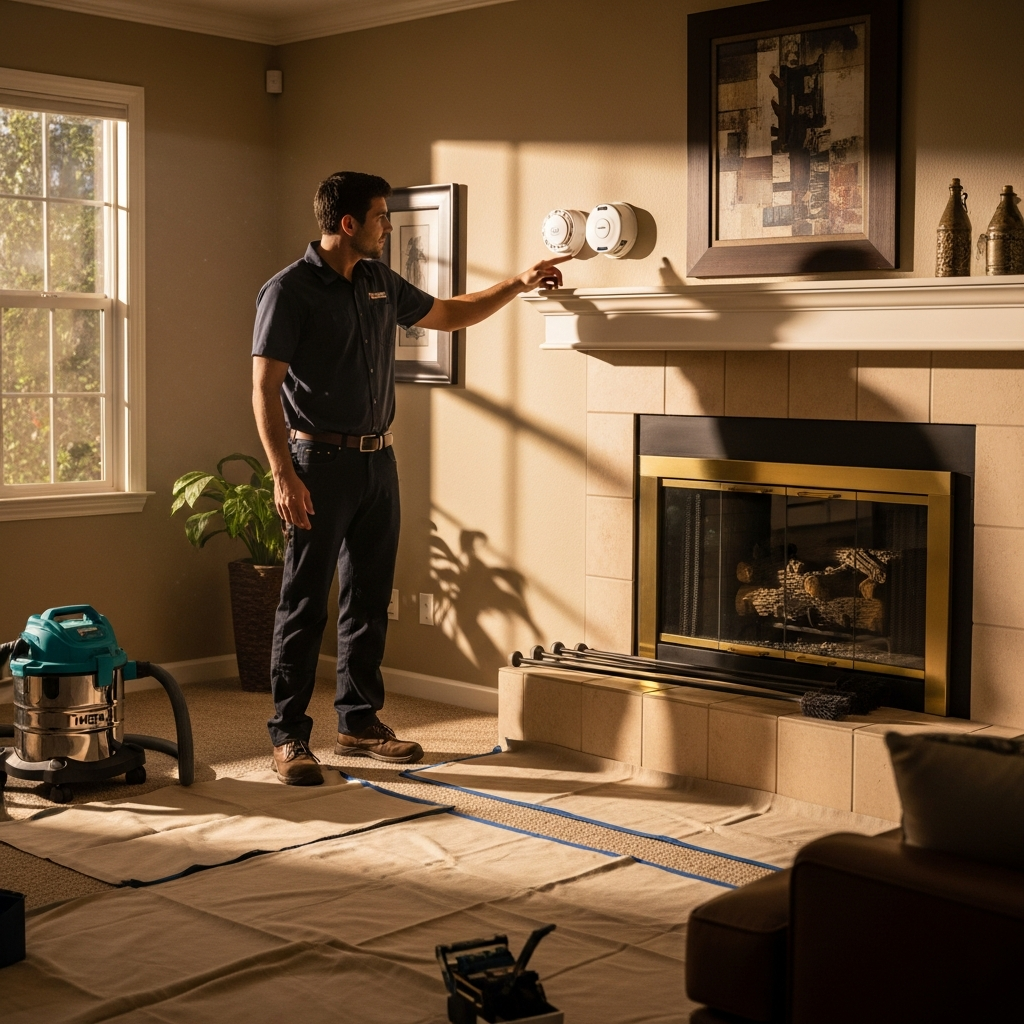
During cleaning, we use the method that suits your system: traditional rod-and-brush for dry deposits, rotary tools for stubborn glaze, and always liner-safe heads for stainless systems. We protect your home with floor runners, sealed containment at the hearth, and continuous HEPA filtration to capture fine soot. When the brushing is complete, we run a camera to document the flue from firebox to termination. The camera does more than find problems; it builds a clear, shared picture of your chimney’s health.
Sunnyvale’s Microclimate and Draft
Our mornings can be cool and damp, especially when marine air pushes inland. That can leave a flue cold at start-up, encouraging condensation that mingles with soot to form stubborn residue. By late afternoon, roofs warm, which helps dry exterior components. On breezy evenings, wind across the termination can either help or hinder draft depending on cap design and nearby structures. A local technician reads these patterns and uses them to fine-tune recommendations, from priming the flue on cold mornings to verifying that your cap’s screen is a match for our wind conditions.
We also pay attention to how modern homes move air. Tight building envelopes, high-efficiency bath fans, and powerful kitchen range hoods can create negative pressure. That pressure can compete with your fireplace for air, especially during start-up. Safety in this context means understanding the house as a system—opening a nearby window a crack during lighting, checking damper function, and considering make-up air if renovations have changed the balance.
Creosote, Soot, and What to Watch
Not all residues are equal. Dry, brown, and flaky soot is the easiest to remove and typically forms with hotter, well-ventilated fires. Black, shiny glaze is resistant and often forms when wood is not fully seasoned or when fires are smoldered. In Sunnyvale, where many households burn for ambiance rather than continual heat, short, cool fires are common, and that can favor glaze. Cleaning methods shift accordingly, with careful use of rotary tools or preparation treatments when needed. The safety goal is a clear, continuous flue with no hot spots where lingering material could ignite.
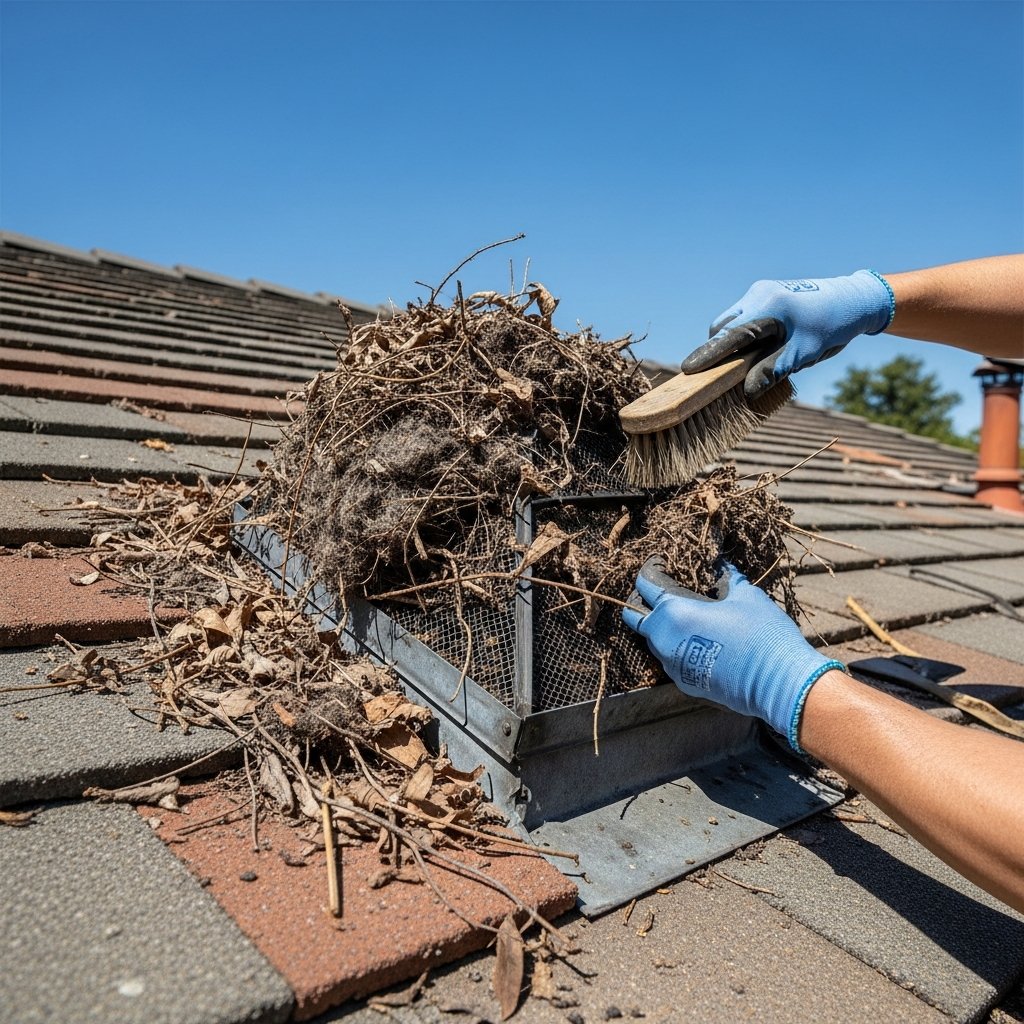
Caps and screens deserve special attention. Spring can bring curious birds, and windy weeks can drive leaves and seeds toward the termination. A screened cap in good condition protects the flue while balancing airflow. During inspection, we verify that the mesh is intact, the cap is seated, and the crown or chase cover sheds water properly. Small issues at the top can ripple through the system; catching them early is part of a safety-first mindset.
Inside the Firebox and Smoke Chamber
Safety is not only about the vertical run. The firebox, lintel, damper, and smoke chamber are where most homeowners see and feel their fireplace. Hairline cracks in firebrick, gaps in mortar joints, or rough smoke chamber surfaces can encourage soot buildup or let heat reach where it should not. A careful technician inspects these areas, explains what they find in plain language, and discusses reasonable next steps. Sometimes that is simple monitoring; other times it is a recommendation for maintenance timed to fair weather.
On factory-built systems, we check that interior components are seated and intact, that baffles are clean, and that clearances meet manufacturer guidance. Safety in these systems is about respecting the design and ensuring that everything still fits and flows as intended after seasons of use.
Gas Fireplaces Have Safety Needs Too
It is easy to assume that a gas fireplace requires little attention because it burns cleanly. While it does not produce traditional creosote, it still needs inspection and cleaning. Dust and pet hair can affect components, glass can accumulate film, and vent pathways can collect fine debris at terminations. During service, we confirm that flames burn evenly, sensors are free of buildup, and the vent path is clear. The result is a system that lights reliably and exhausts properly.
For direct-vent units common in townhomes, we pay close attention to exterior terminations. Landscaping and neighboring structures can influence wind patterns, so we look for signs that gusts are affecting the flame or that screens are catching debris. Small adjustments based on local conditions yield safer, more consistent performance.
Preparation Protects Your Home
From the threshold to the hearth, preparation is the quiet hero of a safe appointment. We arrive with clean drop cloths, shoe covers, and floor runners, and we create a sealed work zone around the fireplace before any brushing begins. A HEPA vacuum runs continuously to capture the finest soot. This approach keeps your living room clean and your indoor air fresh throughout the process. When we take down the containment, the hearth looks just as it did—except the system behind it is ready for the season.
Preparation extends outside as well. On the roof, we anchor carefully, respect landscaping and gutters, and move deliberately. We verify that the path to the termination is safe and stable. Thoughtful setup is not flair; it is fundamental safety.
Education as a Safety Tool
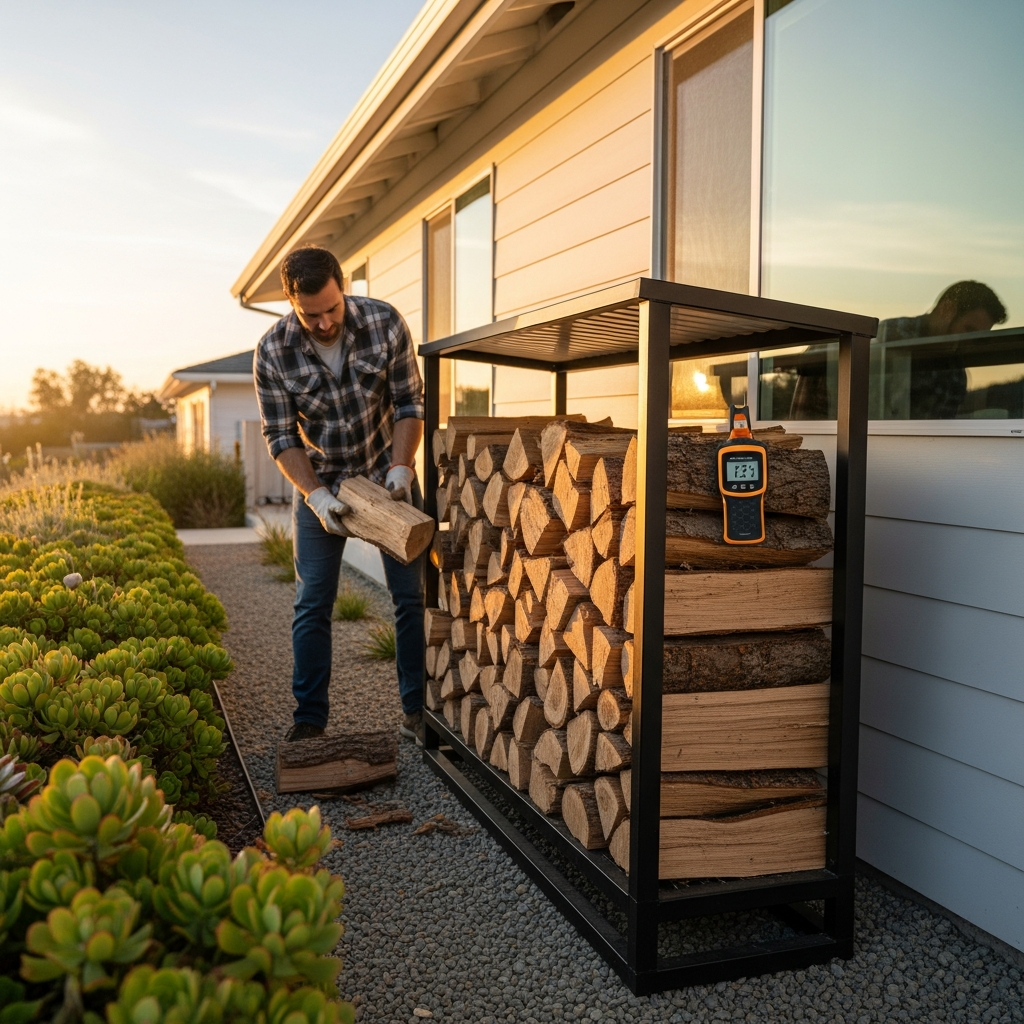
One of the most effective safety tools is a short conversation. I like to spend a few minutes talking about wood selection, storage away from the house to prevent pests, and simple start-up techniques that reduce smoke in the room. I also point out smoke and carbon monoxide detector locations and encourage fresh batteries. These are small, practical steps that make every fire safer and more enjoyable. When homeowners understand why a tip works, they tend to use it, and the whole season goes better.
Midway through an appointment, once the flue is clean and we are reviewing early inspection photos, I often suggest a simple seasonal plan. Regular chimney cleaning coupled with a quick visual check of the cap after big wind events keeps surprise issues at bay. That rhythm, customized to your household’s use, is the safest way to enjoy the fireplace year after year.
Earthquakes, Rooflines, and Regional Realities
Living in the Bay Area means preparing for more than weather. While modern construction accounts for seismic activity, older chimneys may show fine cracks or minor shifts over time. During inspection, we look for movement at crowns, flashing that has pulled slightly, or signs of stress at joints. Documenting these conditions and revisiting them regularly is part of a safety plan tailored to our region. If anything merits closer evaluation, we will explain clearly and outline options that respect your home and schedule.
Rooflines in Sunnyvale vary widely. Gentle pitches are common, but there are also steep sections on certain remodels, and access routes can be constrained by landscaping. Safe, deliberate movement on the roof is non-negotiable. A safety-first team comes prepared and proceeds with care, ensuring that the work at the top supports the safety of the whole system below.
Frequently Asked Questions
How often should I schedule chimney cleaning and inspection?
Most Sunnyvale households benefit from service before the first fire of the season, with an additional check if you notice changes in draft, odor, or visible residue. Your usage pattern and system type fine-tune that rhythm.
What are the warning signs that my chimney needs attention now?
Persistent smoke at start-up, a new odor after rain, soot flakes in the firebox, or a cap screen that looks clogged are all signals to call a professional. Any time something feels off, it is worth a check for peace of mind.
Will cleaning make a mess in my living room?
With proper containment, HEPA filtration, and careful floor protection, the process should leave your interior just as clean as before. A safety-focused team treats your home with the same care they give the chimney.
Do gas fireplaces need inspection as often as wood-burning ones?
They have different needs, but they still benefit from regular attention. We verify component condition, check flame quality, and ensure that the vent path is unobstructed so the system exhausts safely.
Is it safe to use my fireplace if I smell an odor after rain?
It is best to pause and have a professional evaluate the system. Moisture interacting with deposits or components can create odors and sometimes indicates a cap, crown, or flashing issue that deserves attention.
Can I do any of this myself?
You can keep the hearth tidy, store wood properly, and practice good start-up habits. Comprehensive cleaning and inspection require tools, training, and containment to do safely and thoroughly.
Ready to Put Safety First?
If you want a season of clean burns, easy starts, and confident evenings by the fire, I am ready to help. Let’s design a plan that fits your home and your habits, then carry it out with the care your family deserves. When you are ready, schedule your next chimney cleaning and enjoy the peace of mind that comes from attentive, local expertise in Sunnyvale.