Sunnyvale Chimney Cleaning Service: What to Expect During Your Inspection and Sweep
As the cooler evening air rolls into the Santa Clara Valley, there is nothing quite like gathering around a warm fireplace. However, keeping that hearth safe requires regular maintenance that goes far beyond simply sweeping away loose ash. For homeowners in Sunnyvale, CA, scheduling a professional chimney cleaning is a critical step in preserving home safety, maintaining air quality, and protecting your property investment. Understanding exactly what happens during a professional visit can help you prepare your home and ensure your heating system operates flawlessly all winter long.
The Real Risk of Skipping Your Fireplace Chimney Cleaning
Creosote Accumulation Explained
Every time you burn wood in your fireplace, combustion byproducts travel up the flue. Over time, these gases cool and condense on the inner walls of your chimney liner, forming a highly flammable compound known as creosote. Creosote exists in three distinct stages, starting as a flaky soot, transitioning into a sticky tar-like substance, and ultimately hardening into a dense, glossy glaze. This third-stage creosote is incredibly difficult to remove and poses the highest risk for a dangerous chimney fire. Regular chimney sweeping breaks this cycle before the residue can transition into its most hazardous forms.
The Santa Clara County Climate Factor
While Sunnyvale enjoys a mild Mediterranean climate, our wet winters mean local fireplaces sit unused for long stretches of the year. This prolonged inactivity, combined with seasonal dampness, creates a perfect storm inside your flue. Moisture from winter rains can mix with existing soot and creosote, accelerating the corrosion of metal dampers, masonry joints, and clay flue liners. Furthermore, birds, squirrels, and local pests often view an inactive, uncapped chimney as an inviting nesting site, creating hidden blockages that can force toxic gases back into your living space when you finally light your first seasonal fire.
Carbon Monoxide and Indoor Air Quality
A blocked, dirty, or structurally damaged flue cannot draft properly. When airflow is restricted, dangerous combustion products, including carbon monoxide, can seep into your home. Because carbon monoxide is completely odorless and invisible, a properly swept and inspected flue is your primary line of defense. Professional technicians check the entire venting system to guarantee that smoke and exhaust gases are pulled cleanly up and out of your Sunnyvale residence.
A Clean Hearth: Why Professional Sweeping Beats DIY Every Time
Many homeowners love a good weekend DIY project, but fireplace chimney cleaning should not be one of them. While you can easily clear out the grate and sweep up loose hearth ashes, cleaning the entire length of a vertical flue requires specialized equipment, safety gear, and technical training. Attempting to clean your own flue without professional tools often leads to incomplete creosote removal, damaged flue liners, and a massive mess of black soot throughout your living room.
Professionals utilize high-powered, sealed vacuum systems designed specifically to capture microscopic soot particles before they can escape into your home. They also carry specialized rotary loops, wire brushes, and diagnostic cameras that allow them to examine the entire flue interior from top to bottom. Partnering with a professional chimney cleaning service ensures the job is done safely, cleanly, and thoroughly, leaving your home as clean as it was when the technicians arrived.
The Step-by-Step Chimney Inspection and Sweep Process
Step 1: Setting Up the Work Area and Dust Containment
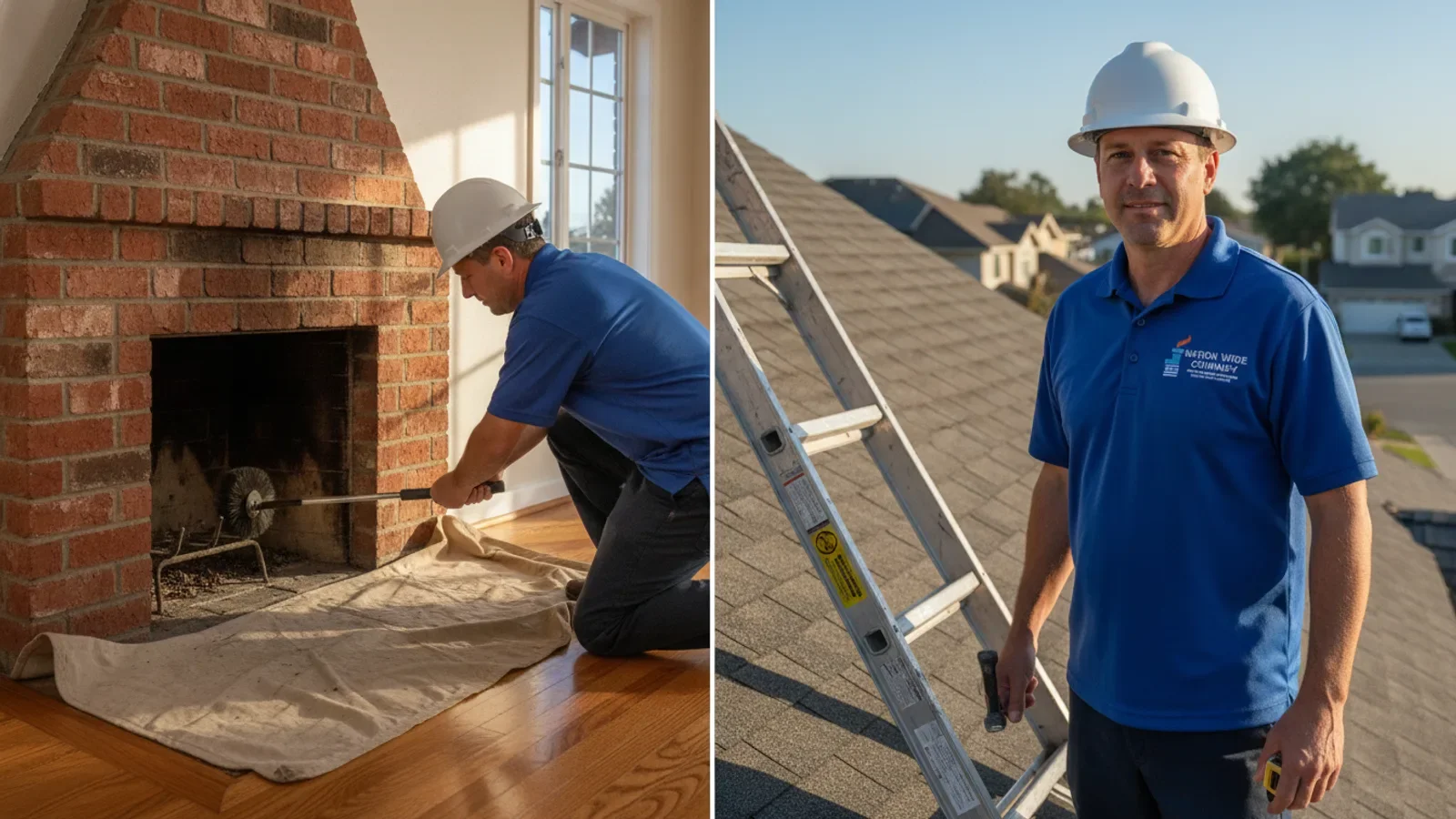
The very first thing professional technicians do upon entering your Sunnyvale home is establish a robust dust containment zone. They lay down heavy-duty drop cloths and runners to protect your flooring, rugs, and furniture. A specialized, high-efficiency particulate air (HEPA) vacuum is set up near the hearth. This vacuum runs continuously during the sweeping process, pulling in loose particles and maintaining negative pressure so that no dust, soot, or debris escapes into your living space.
Step 2: The Level 1 Visual Inspection
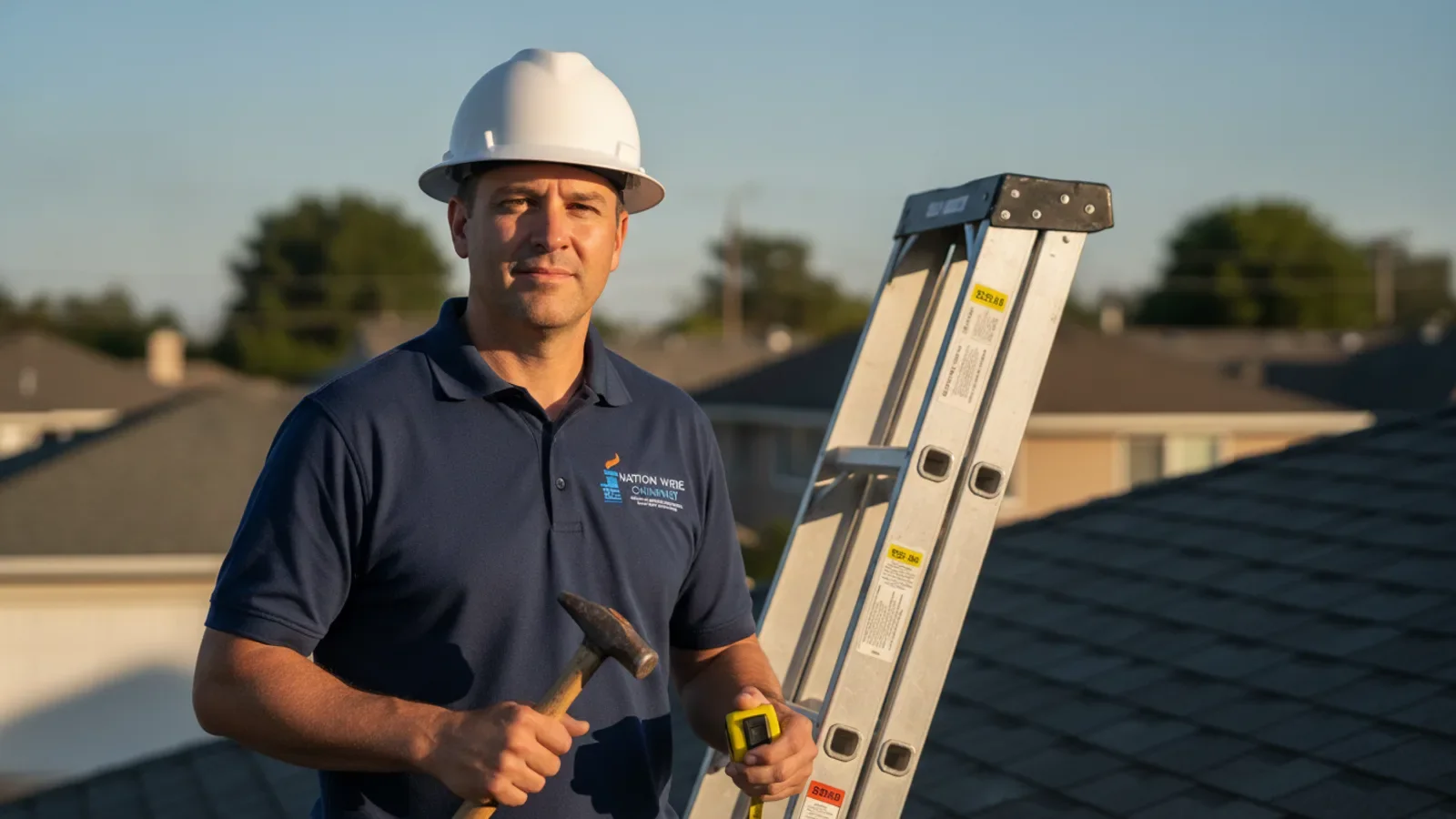
Before any brushes are used, a technician conducts a thorough Level 1 visual inspection of the readily accessible portions of your fireplace. Nation Wide Chimney Sweep & Repair technicians examine the hearth, firebox, damper, and throat of the chimney. They check for obvious signs of structural degradation, missing mortar joints, water damage, or nesting animals. If your chimney has a cap, they will also inspect the exterior structure to ensure the crown and flashing are intact.
Step 3: The Mechanical Sweep
Once the inspection is complete and the protective barriers are secure, the mechanical sweeping begins. Technicians select specialized rods and brushes sized precisely to match your chimney flue liner, whether it is clay tile, metal, or cast-in-place concrete. Using either top-down or bottom-up methods, the brushes scrape away built-up creosote and soot from the flue walls. The debris falls directly into the firebox, where the HEPA vacuum immediately captures it, ensuring a clean and dust-free environment inside your home.
Understanding the Three Levels of Chimney Inspections
The National Fire Protection Association (NFPA) categorizes chimney inspections into three distinct levels. Knowing which level your home requires ensures you receive the appropriate level of care and diagnostic detail.
| Inspection Level | When It Is Required | What is Examined |
|---|---|---|
| Level 1 | Annual maintenance or under steady, unchanged operating conditions. | Readily accessible portions of the chimney exterior, interior, and accessible appliance connections. |
| Level 2 | Real estate transactions, home sales, fuel conversions, or after a seismic event/chimney fire. | All Level 1 areas plus accessible attics, crawl spaces, basements, and a full video scan of the interior flue. |
| Level 3 | When a serious hidden hazard is suspected and cannot be verified without demolition. | All Level 1 and 2 areas, plus the removal of certain structural components (like drywall or siding) to access hidden areas. |
When Do You Need a Level 2 Video Inspection?
If you are buying or selling a home in Sunnyvale, or if you have recently experienced a chimney fire or earthquake, a Level 2 inspection is necessary. This process involves lowering a specialized, high-resolution camera down the flue. The camera transmits a live feed to a monitor, allowing the technician to inspect every single joint and tile for tiny cracks or gaps that could allow heat or gas to escape into the home structure.
Structural Checks During Inspections
During the inspection process, technicians look closely at the structural integrity of your masonry. They check for spalling bricks, which happen when water penetrates the brickwork and freezes, causing the face of the brick to crack and pop off. They also check the chimney crown, which is the concrete slab at the top of the chimney that sheds water away from the structure. A cracked crown can let rainwater pour down inside the walls, leading to expensive repairs down the road.
How to Prepare Your Sunnyvale Home for a Chimney Sweep
Clear the Space Around the Hearth
To ensure a smooth, efficient visit from your local chimney sweep sunnyvale professional, take a few minutes to clear the area around your fireplace. Move any furniture, coffee tables, toys, or decorative items at least six to eight feet away from the hearth. This gives the technicians plenty of room to set up their drop cloths, vacuum equipment, and diagnostic tools without risking damage to your belongings.
Cool Down the Fireplace
For your safety and the safety of the technicians, do not build a fire in your fireplace for at least 24 to 36 hours before your scheduled appointment. The firebox, ashes, and chimney flue must be completely cool to the touch. Hot ashes or lingering coals can damage vacuum filters and pose a serious safety risk during the cleaning process.
Keep Pets and Children Clear
While professional chimney sweeping is a clean and structured process, the equipment can make noise, and technicians will be moving back and forth through your home. It is best to keep pets and small children in another room or outdoor space during the service to keep them safe and allow the crew to work efficiently.
Signs Your Fireplace and Chimney Need Immediate Attention
Visible Soot and Flaky Creosote
If you shine a flashlight up into your damper and notice a thick, velvety layer of black soot or shiny, bubbly crust, it is time to schedule a cleaning. Even a thin layer of creosote can ignite under the right conditions, so catching it early is key to maintaining a safe home.
Drafting Issues and Unusual Odors
If smoke pours back into your living room when you light a fire, or if you smell a strong, campfire-like odor coming from your fireplace when it is not in use, your flue is not venting correctly. This often indicates a heavy buildup of soot, a bird’s nest, or a closed damper that requires professional adjustment.
Damaged Masonry or Rust in the Firebox
Keep an eye out for falling debris, such as bits of red clay tile or mortar crumbling onto the floor of your firebox. If you have a metal fireplace insert and notice rust on the damper or walls, moisture is getting in from the top of the flue. Addressing these issues early can prevent structural failures that require extensive masonry reconstruction.
Frequently Asked Questions About Chimney Sweeping
How often should I have my chimney swept in Sunnyvale?
The National Fire Protection Association recommends having your chimney inspected at least once a year, with cleaning performed as necessary based on the buildup of creosote and soot. Even if you do not use your fireplace frequently, an annual inspection ensures that pests, moisture, and debris have not blocked the flue.
How long does a typical chimney cleaning take?
A standard chimney inspection and sweeping service usually takes between 45 minutes and an hour and a half. If a Level 2 video inspection is required, or if the technicians find heavy creosote buildup that needs specialized removal, the process may take slightly longer.
Will chimney cleaning make a mess inside my home?
No, a professional chimney sweeping service should not leave any mess behind. By using heavy-duty drop cloths, sealing off the fireplace opening, and running powerful HEPA vacuums throughout the entire process, technicians ensure that all soot and dust are completely contained and safely removed from your home.
Can I burn cedar or pine in my fireplace?
Softwoods like pine and cedar contain high amounts of sap and resin, which can cause them to burn very hot and produce rapid creosote buildup in your flue. It is always best to burn seasoned hardwoods, such as oak, madrone, or maple, which have been dried for at least six months to keep creosote production to a minimum.
Protect Your Home and Hearth Today
Regular maintenance is the key to enjoying your fireplace safely and keeping your home protected year-round. If you are ready to ensure your fireplace is clean, efficient, and ready for use, reach out to the local experts at Nation Wide Chimney Sweep & Repair in Sunnyvale, CA, to schedule your air duct cleaning today.