There is something uniquely Sunnyvale about a fire that burns on a clear evening after the day’s warmth slips away. To keep that glow easy, safe, and clean, homeowners benefit from a rhythm of care that fits our local weather and living patterns. At the heart of that rhythm is regular chimney cleaning, supported by simple habits that make each burn cleaner and each season smoother. Think of maintenance not as a chore, but as a way to protect comfort, preserve indoor air quality, and ensure your system is ready whenever you want to spark that first match.
Set a Seasonal Strategy
In Sunnyvale, the best plan aligns with how we actually use fireplaces. Aim for an annual cleaning and inspection before the first cool snap—late summer into early fall is ideal. That timing gives you the broadest appointment options and time to address any findings before you want to use the hearth. If the winter turns colder than expected and you burn more often, add a midseason check. For gas units used occasionally, maintain the inspection rhythm to confirm vents, caps, and seals remain unobstructed and tight.
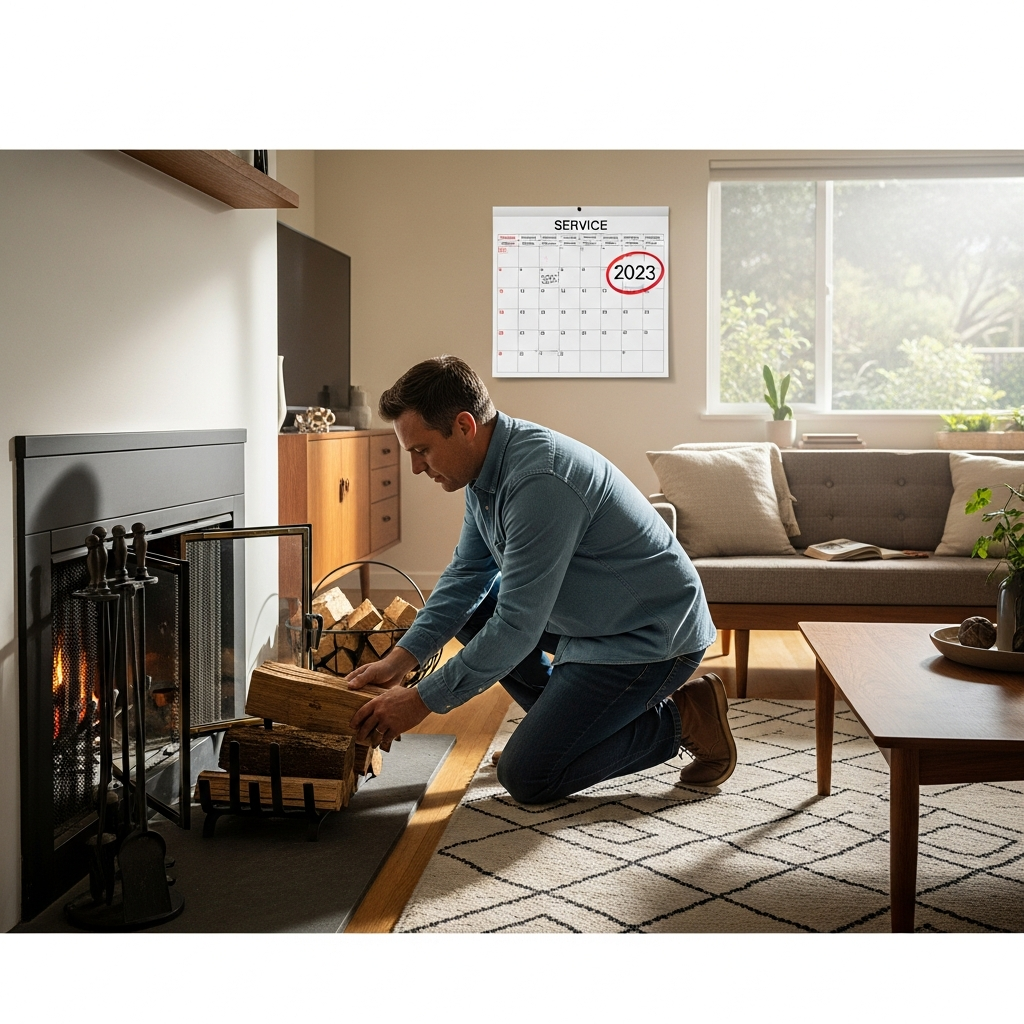
Keeping a simple calendar reminder helps. Pair the task with other fall home rituals—testing smoke alarms and carbon monoxide detectors, replacing HVAC filters, and checking weatherstripping. When maintenance becomes part of a seasonal routine, it gets done without drama.
Burn Better for Cleaner Results
The fire you build shapes the residue left behind. Choose well-seasoned hardwoods that have air-dried adequately. Start with kindling and smaller splits to bring the firebox up to temperature quickly, then add larger pieces so combustion stays hot and complete. Avoid smoldering, which makes sticky deposits, and resist the urge to use excessive paper or trash for ignition. These small choices reduce creosote formation and make each subsequent cleaning faster and more effective.
Fire size matters too. Right-sized, lively fires produce fewer byproducts than oversized piles that choke airflow. Keep the damper fully open when burning, and verify it closes snugly when you are done to prevent odors and energy loss between fires.
Mind the Top: Caps, Crowns, and Screens
Many common problems start at the top of the stack. A properly fitted cap with a screen keeps out birds, leaves, and windblown debris while shedding rain. Over time, screens can clog and caps can loosen. During your cleaning appointment, ask the technician to verify fit, mesh size, and overall condition. If you have an older crown that shows cracking, a protective repair can keep water from migrating into masonry. These are not cosmetic details; they are front-line defenses that keep the interior of your chimney clean, dry, and predictable.
Keep the Hearth Area Ready
Before each burn, give the firebox and immediate area a quick glance. Remove excess ash, leaving a thin insulating layer if you prefer. Confirm that the damper operates smoothly, and check that nothing obstructs the opening—decorative items sometimes creep too close over time. After burning, allow ash to cool fully before disposing in a metal container with a tight lid, stored away from the house and combustible materials. Small rituals like these set you up for clean burns and easy living-room cleanup.
Watch for Draft Clues
Draft is the invisible engine that makes a fireplace enjoyable. If a fire is slow to catch, if you smell smoke after the flames die, or if a faint ashy odor lingers on dry days, take note. Those are the early hints of soot buildup, airflow restrictions, or pressure imbalances with other appliances like range hoods. During cleaning, describe these experiences to your technician. A few details from you lead to more precise diagnostics—sometimes the solution is as simple as a small change in how doors and windows are set during the first minutes of a burn.
Document and Plan
Keep a simple record of your maintenance: date of cleaning, any photos or notes, and recommendations for future upgrades. Documentation helps if you sell your home, but it also guides smart decisions about liners, dampers, or caps. With a few seasons of notes, patterns emerge. You will recognize when a stretch of colder weather correlates with heavier deposits, and you can schedule proactively next time.
Respect the System’s Design
Sunnyvale homes host a mix of original masonry chimneys and modern prefabricated units. Each has a design sweet spot—fuel types, flue sizing, and draft expectations. During cleaning, ask your technician to confirm best practices for your specific setup. Simple adjustments, like the way you place logs or how long you keep the damper fully open on startup, can align your habits with the system’s design and yield cleaner results with less effort.
Know When to Call for Help
Some signals should prompt a phone call even between scheduled visits: persistent smoke in the room, sudden difficulty starting a fire, a sharp tar-like odor near the fireplace, or sounds that suggest animal intrusion. After major windstorms or heavy rains, a quick visual check from the ground for cap alignment and staining can alert you to trouble, too. Erring on the side of caution keeps small issues from growing into seasonal headaches.
Pair Cleaning with Smart Upgrades
Maintenance does not end with soot removal. Strategic upgrades pay dividends. A top-sealing damper can minimize off-season odors and energy loss. A stainless steel liner can stabilize draft in aging masonry systems and make future cleanings more effective. Well-fitted spark arrestor caps improve safety during dry, windy periods. Use your cleaning appointment as a chance to ask about the best options for your home and budget.
Frequently Asked Questions
How often should I schedule chimney cleaning in Sunnyvale?
For most wood-burning fireplaces, plan on annual service before the first cool stretch, with a midseason check if you burn heavily. Gas fireplaces still need routine inspections to confirm clear vents and safe operation, though they may not need sweeping as often.
What wood burns cleanest and helps reduce creosote?
Seasoned hardwoods such as oak burn hotter and cleaner than softwoods or unseasoned logs. Start fires with kindling and smaller splits to bring temperatures up quickly, then feed steady fuel. Avoid smoldering and overly large loads that restrict airflow.
Why does my home smell smoky in summer even when I am not burning?
Residual soot, slight moisture intrusion, and seasonal pressure differences can draw chimney odors indoors during hot, closed-window months. A thorough cleaning, combined with verifying damper performance and cap integrity, typically resolves the issue.
Is modern chimney cleaning messy?
With HEPA filtration, sealed work areas, and careful staging, appointments are tidy. Technicians protect floors and furnishings and capture fine particles at the source, leaving the living space as clean as they found it.
What maintenance can I do between professional visits?
Burn seasoned wood, keep the damper fully open while burning, remove excess ash after it cools, and store it safely. Watch for early signs of draft change, and keep simple notes about usage and service. These habits make each cleaning more effective and each season more enjoyable.
When you are ready to lock in a season of easier starts, cleaner air, and a hearth that simply works, schedule dependable chimney cleaning with a local Sunnyvale-focused team. A small investment in rhythm and care pays back every time the evening cools and you gather around the fire.