Sunnyvale’s charm lies in its blend of classic neighborhoods and evolving streetscapes, where a chilly evening can still draw families to the living-room hearth. But the same conditions that make a fireplace inviting—cool nights after warm days, winter rains, and a burn season that comes in waves—can also create predictable challenges. Understanding the most common chimney cleaning issues in our city helps you spot problems early and schedule the right care. Begin with a mindset that routine chimney cleaning is not just about soot removal; it is about keeping the whole system balanced, sealed, and drafting well for dependable comfort all season.
Creosote Layers that Sneak Up on You
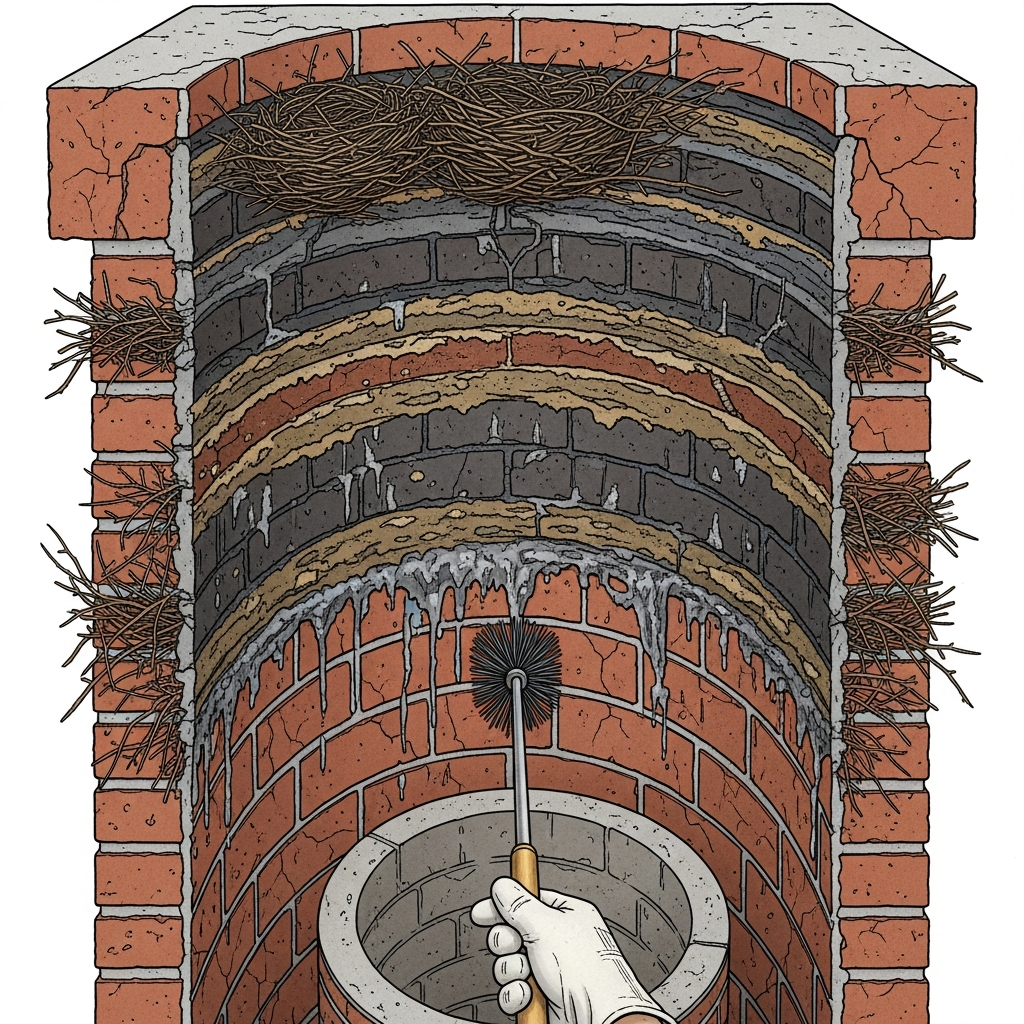
Even careful burn habits cannot fully prevent creosote accumulation. In Sunnyvale, where fires are often occasional but meaningful, residues progress quietly from fluffy soot to sticky accumulations, and, if neglected, to a hardened, glassy glaze. Each stage narrows the flue and interferes with draft. The early signs are subtle: fires that take longer to catch, a little more smoke on startup, or faint odors that linger even after the embers have cooled. Left alone, the problem compounds, increasing fire risk and making removal more difficult. Timely cleaning interrupts that progression and keeps your flue moving air the way it was designed to.
Animal and Debris Intrusion
Birds, leaves, and windblown debris are seasonal realities. Caps that once fit perfectly can warp, screens can clog, and a surprising amount of organic matter can pile up on rainier weeks. Sometimes homeowners first notice an issue as a scratching sound or a flutter from above the damper. Other times, a musty odor hints that nesting materials or damp debris are stuck inside. Removing these blockages is part of routine service, and a careful technician will also evaluate whether the cap and screen are the right size and mesh for our local conditions. Keeping the top secure protects the whole system below.
Moisture Meets Masonry
Winter rains do not always arrive in torrents, but a steady series of storms can infiltrate aging crowns or flawed flashing. When moisture mingles with soot and acidic condensates, it accelerates staining and deterioration. Exterior signs include efflorescence—white, powdery deposits on brick or block—or dark streaks beneath the cap. Inside, you may detect a damp, ashy odor after a storm, even if you have not burned in days. Cleaning removes residues that trap moisture and clarifies whether you need targeted repairs. Early attention keeps minor leaks from evolving into costly damage.
Draft Problems in Tight Homes
Sunnyvale’s energy-conscious upgrades—new windows, air sealing, and powerful range hoods—can unintentionally affect fireplace performance. When a home is too tight or a fan competes for air, negative pressure can reverse draft, sending smoke into the room. Homeowners sometimes think their chimney is “dirty” when the deeper issue is airflow balance. During a cleaning appointment, a seasoned technician can test draft, suggest ways to provide make-up air, and verify whether the damper and flue size are well matched to your firebox. A clean flue is necessary, but so is a house that lets the fireplace breathe.
Wear and Tear from Time and Tremors
We live in earthquake country, and even small seismic shifts can knock tiles out of alignment or open hairline cracks in liners and mortar joints. Those tiny changes create ledges that catch soot and hotspots where heat lingers. Over years, the cumulative effect slows draft and raises risk. Cleaning, especially when paired with a camera inspection, reveals these issues early. Addressing them keeps your fireplace predictable and extends the lifespan of components that prefer stability.
Odors that Linger Through Summer
Many Sunnyvale homeowners notice a smoky or musty odor during our dry months, especially when the interior of the home is closed up to keep heat out. The culprit is often a combination of residual soot, perhaps a little moisture from a late-season storm, and air pressure patterns that draw chimney smells inward. A thorough cleaning, coupled with verifying the integrity of the damper and the fit of a top-sealing unit if recommended, typically resolves the issue. The goal is a home that smells like a home, not like last winter’s fire.
Misfit Components and Legacy Retrofits
Older homes that received fireplace or insert retrofits years ago occasionally suffer from mismatched parts: liners not sized to the appliance, caps that do not seat perfectly, or dampers that never quite closed. These small mismatches encourage soot pockets and draft losses. During a cleaning appointment, technicians can identify misfits, explain how they influence performance, and propose right-sized solutions. Often, a single upgrade—such as a properly sized stainless liner—makes cleaning more effective and burning more efficient going forward.
Why Technique and Timing Matter
Chimney service quality is not all the same. The right brushes for your liner, flexible rods that navigate offsets common in remodeled homes, HEPA vacuums to keep fine particulates out of living spaces, and patient, methodical technique all add up to a better result. Timing influences outcomes too. Late summer or early fall appointments give you the best chance to address any discovered issues before the first cold snap and before regional demand surges. In addition, if the winter proves chillier than expected and you burn more than usual, a midseason check can keep performance on track.
Just as important is communication. Clear notes, photos when appropriate, and straightforward recommendations help you decide what to do next. Many Sunnyvale homeowners value that clarity as much as the cleaning itself, because it empowers them to plan upgrades that align with their budgets and timelines without guesswork.
Frequently Asked Questions
How do I know if creosote has become a serious issue?
Beyond visible soot flakes, warning signs include a sharp, tar-like odor near the fireplace, sticky deposits that do not brush off easily, and black staining at the top of the chimney. If fires seem harder to start and smoke lingers, it is time to schedule a professional evaluation and cleaning.
Can animals really block a flue in Sunnyvale?
Yes. Birds and small animals sometimes see chimneys as ideal shelter. A well-fitted cap and screen usually prevent intrusion, but wind, wear, or past work can leave gaps. Cleaning removes debris, and your technician can recommend the right cap and mesh for our area to prevent a repeat.
What if smoke enters my room even after a cleaning?
Persistent smoke can be a drafting issue rather than a cleanliness issue. Tight homes, powerful kitchen hoods, or closed interior doors can create negative pressure. A technician can test airflow, suggest make-up air options, and verify damper operation and flue sizing.
Does moisture damage show up quickly?
Sometimes it is subtle at first—odors after storms, faint white deposits on masonry, or dark streaks under the cap. Cleaning clears residues so the underlying condition is easier to assess. Early fixes to crowns, flashing, or caps protect the structure for seasons to come.
Is there a best time to address these common issues?
Late summer through early fall is ideal, with a midseason check if you burn heavily during a colder winter. That rhythm keeps performance consistent and lets you solve small issues before they affect comfort on the first cool night.
If you are noticing any of these issues—or simply want to prevent them before the season begins—book trusted professional chimney cleaning with a local team that knows Sunnyvale’s homes and climate. Take control of draft, reduce odors, and enjoy a clean, safe hearth whenever the evening turns cool.