Why Methods Matter for Chimney Cleaning in Sunnyvale
When I am on a roof in Sunnyvale, I think about method before I think about tools. The right approach is what protects your liner, preserves your fireplace’s performance, and keeps soot out of your living room. Our city’s homes range from mid-century ranches to modern townhomes, and they host everything from open masonry fireplaces to factory-built systems, inserts, and stoves. Each system responds best to a particular technique, and understanding how different chimney cleaning methods work is the difference between a quick tidy and a truly safe flue. If you are deciding when to schedule chimney cleaning, a closer look at these methods will help you choose a professional who uses the right one for your home.
Two forces shape the approach in Sunnyvale: our microclimate and our construction styles. Morning marine layers and occasional gusty evenings can produce condensation cycles and draft changes that affect creosote formation. Meanwhile, the way many local fireplaces were built—some with original clay tiles, others with metal liners retrofitted during remodels—means the technique has to match the material. A careful sweep considers both before brushing the first inch of flue.
Traditional Rod-and-Brush Sweeping
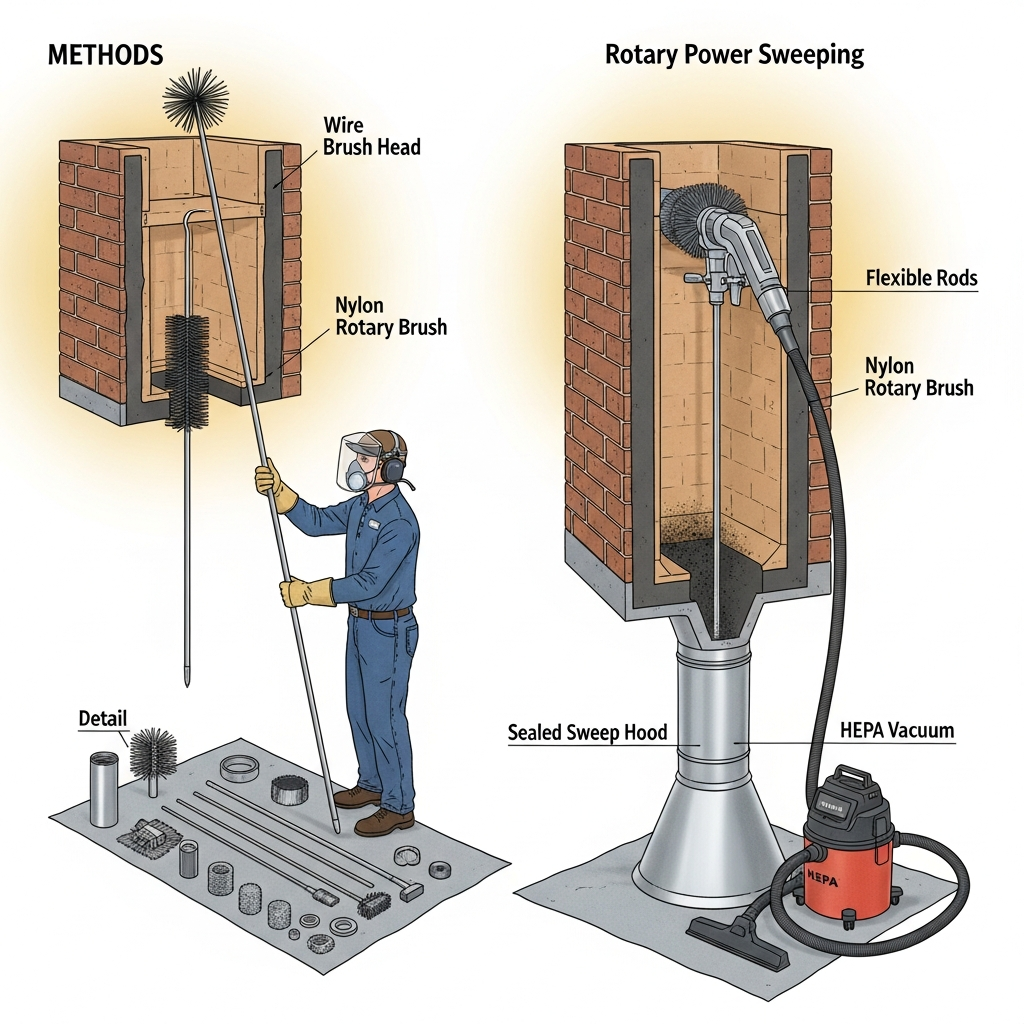
The foundational method is still the most common: a series of flexible rods connect to a brush sized to the flue. The tech works from the bottom, the top, or a combination, depending on access and design. For clay tile liners found in many older Sunnyvale homes, a poly or wire brush appropriately sized to the tile helps dislodge soot without scouring the surface. This approach allows the sweep to feel bends, ledges at tile joints, and transitions near the smoke chamber, adjusting pressure with a craftsperson’s touch. When performed with patience and care, rod-and-brush sweeping preserves the structure while leaving the channel clear for safe draft.
Rod-and-brush shines when deposits are dry and flaky, typical of moderate use with well-seasoned wood. It is also ideal for systems where preserving a delicate liner is paramount. Paired with proper containment and a HEPA vacuum at the base, this method keeps interior spaces clean. The key is brush selection, gentle technique, and systematic passes that verify no section is missed.
Rotary Power Sweeping
Some deposits resist traditional brushing. Glossy or tar-like creosote can form when a flue runs cool, fires are smoldered, or the appliance is oversized for the hearth. In those cases, a rotary power sweeping system can help. Flexible rods connect to a drill-driven head that spins specialized whips or brushes. The spinning action cuts through stubborn material while distributing force evenly around the flue. For many metal liners in Sunnyvale’s remodeled homes, a nylon whip or synthetic head is chosen to avoid scratching. For clay tile, a more assertive brush can be used, with careful monitoring to prevent damage.
The advantage of rotary tools is efficiency and consistency. Powered sweeping can remove a build-up that otherwise would require many manual passes. The method demands training and judgment; too much force can damage a liner, and the head has to be matched precisely to the flue’s size and material. When used correctly, it leaves a cleaner surface that resists re-accumulation for longer, especially when paired with correct burning habits.
HEPA Containment and Interior Protection
No method stands alone without containment. Sunnyvale homeowners expect clean living rooms, and rightfully so. During interior work, a HEPA-filtered vacuum runs continuously to capture fine soot as it drops. Floor runners protect routes from the entry to the hearth, and plastic sheeting or a well-fitted sweep hood seals the firebox opening to control airflow. This setup allows both traditional and rotary methods to proceed without releasing particles into the room. In my practice, I treat containment as its own method, because getting it right is as crucial as selecting the right brush.
Containment also reduces static in the work zone. When a space is controlled, the technician can focus on feel, rhythm, and thoroughness, rather than chasing dust clouds. It is the difference between a job that looks tidy and one that is carried out to a professional standard from prep to final photo.
Smoke Chambers, Baffles, and Transition Zones
Many homeowners picture the flue as a straight tube, but the geometry between the firebox and the vertical run is where much of the action happens. The smoke chamber above the damper, transitions, elbows in factory-built systems, and baffles in inserts are all places where deposits gather. Specialized brushes—often triangular or contoured—help address these areas during either manual or rotary passes. On masonry fireplaces, a parging assessment may be part of the visit if rough surfaces encourage soot adhesion. In metal systems, the goal is to clean without deforming components. Method selection here is about precision; it is where a pro earns their keep.
In Sunnyvale’s older ranch homes, you may also find smoke shelves that have collected years of fine debris. Careful vacuuming and targeted brushing clear those pockets so material does not dislodge later and fall into the firebox. In factory-built units, attention to the manufacturer’s pathways ensures that hidden nooks receive a proper cleaning without disturbing insulation or supports.
Video Inspection as a Method
Inspection has become its own discipline, and for good reason. After brushing, a video camera run through the flue reveals conditions the naked eye cannot see from either end. In Sunnyvale, where retrofits and remodels are common, camera work confirms that liners are continuous, joints are aligned, and no gaps or fractures exist behind the scenes. It also documents the success of the cleaning itself. By treating video inspection as a method—not just an add-on—we build a baseline record for the home and make smarter decisions about future maintenance.
Video is especially helpful when homeowners report occasional smoke on windy nights or a new odor after rain. The footage may show a shifted tile, a slightly misaligned connector, or a spot where condensation has dripped and encouraged creosote glazing. Seeing is understanding, and understanding leads to the right fix the first time.
Chemical and Catalytic Assistance
There are times when physical brushing needs help. Certain deposit types, especially hard glaze, respond better after a treatment that softens or destabilizes the layer. Professional-grade products, used sparingly and per manufacturer guidance, can prepare a stubborn area for safe removal. These are not shortcuts; they are precise tools in a careful toolkit. The goal is always to protect the liner while returning it to a clean, sound state for proper draft.
Sunnyvale’s mild winters mean some residents burn smaller, lower-temperature fires for ambiance. That pattern can, over time, produce harder deposits. When I see those signs, I discuss both treatment options and burning habits that will prevent a repeat. Good method is as much about education as it is about equipment.
Masonry vs. Metal: Matching Method to Material
Clay tile, poured-in-place liners, and stainless steel systems all demand different brushes, speeds, and pressures. On clay, you want to respect mortar joints and avoid chipping. On stainless, you avoid wire that can scratch and start corrosion; you choose synthetics that clean without harm. On poured liners, technique focuses on preserving a smooth surface to discourage future build-up. A seasoned Sunnyvale technician knows how to read the system quickly and adjust. That adaptability shows up in results and in how the fireplace behaves after the service.
Factory-built units also come with manufacturer specifications. Clearances, permitted tools, and access points are defined. Respecting those rules is non-negotiable. The right method is the one the system was designed to withstand.
Wood-Burning vs. Gas Systems
Gas appliances do not produce the same creosote as wood, but they still need attention. Dust, dander, and indoor air contaminants can collect in vents and around components. For direct-vent units common in townhomes, cleaning methods focus on the termination cap, glass, and pathways that ensure clean combustion. For wood-burning fireplaces and stoves, methods prioritize soot and creosote removal, confirming a clear and continuous flue. In mixed-use homes—where a fireplace was converted to gas and later reverted—method selection ensures no legacy debris remains to interfere with the current setup.
In both cases, method aligns with inspection. A gas system’s flame pattern, sensor cleanliness, and vent integrity are checked after cleaning to confirm performance. A wood system’s draft and smoke pattern are observed at start-up to verify that the method delivered a meaningful improvement.
Middle-of-Service Checkpoints
About halfway through a job, I like to pause and review findings with the homeowner. It is the right time to explain why I chose traditional brushing or rotary power, to show interim photos, and to discuss how regular chimney cleaning fits your fireplace use. That conversation builds trust and ensures we adjust course if the flue reveals a surprise. Good methods are transparent, and good outcomes are shared.
These checkpoints also give us a chance to talk about the season ahead. If you are planning frequent fires, we will emphasize steps that keep the flue running warm and dry. If ambiance is your goal, we will reinforce good start-up practices that minimize smoke in the room and keep deposits from hardening.
Sunnyvale-Specific Considerations
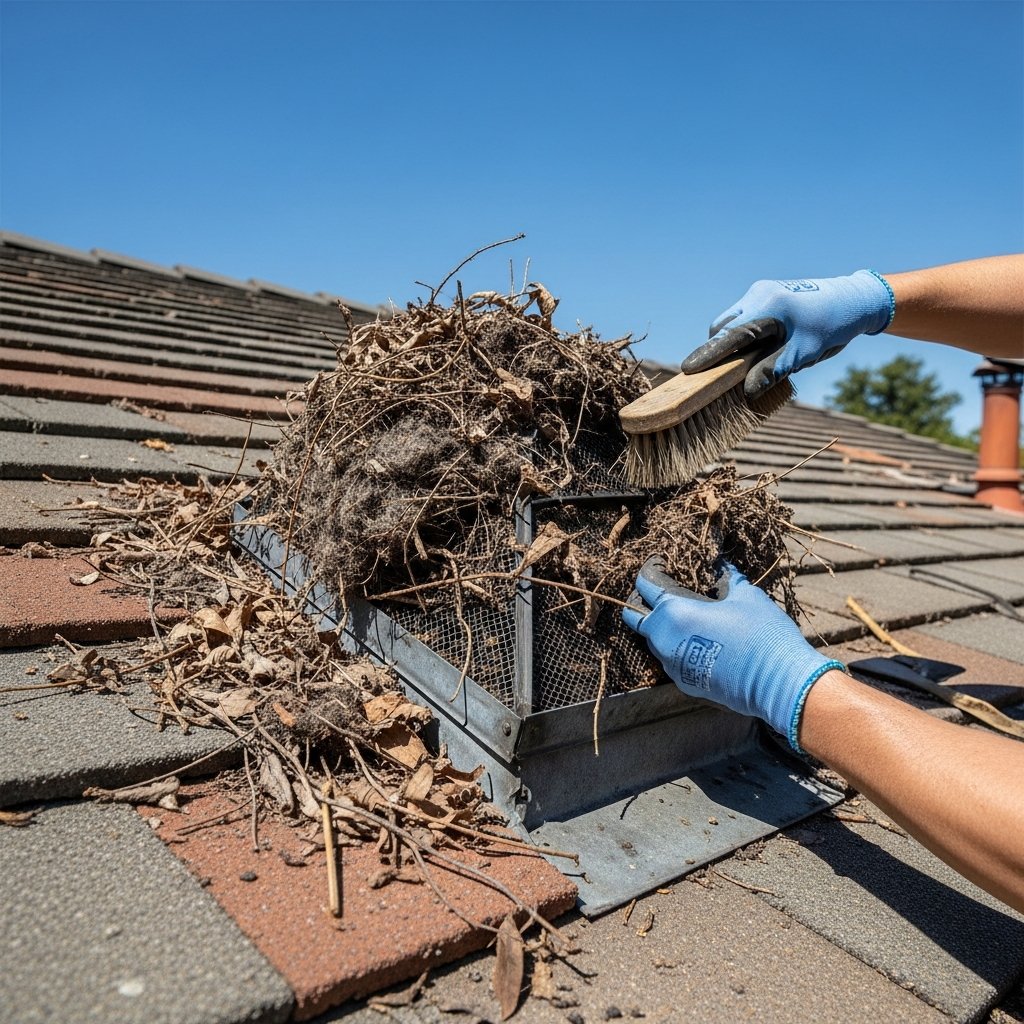
Our city’s trees, winds, and occasional construction dust can find their way to rooflines and caps. In late summer, a fine film may appear on exposed metal, and in spring, seed pods and leaves can test cap screens. Cleaning methods must include exterior attention: brushing the cap, verifying screen integrity, and ensuring that the termination protects against both weather and wildlife. Roof pitches vary across neighborhoods, so safe access plans are part of method, too. The most powerful brush in the world will not help if the tech cannot reach the termination safely and securely.
Older chimneys sometimes have crowns that have weathered through cycles of sun and rain. During a visit, if an issue is spotted, method shifts to gentle inspection and documentation. We never want to introduce water into a vulnerable area or knock material loose where it could create a blockage down the line. Method is respect—respect for the structure, the homeowner, and the long-term health of the system.
Frequently Asked Questions
Which method is best for my chimney?
The best method matches your system’s material, your use patterns, and the type of deposits present. A thorough technician will inspect first, then explain why traditional brushing, rotary power, or a combination is appropriate.
Is rotary sweeping safe for metal liners?
Yes, when the correct synthetic heads and speeds are used. The key is selecting components that clean without scratching or deforming the liner and monitoring progress throughout.
Do gas fireplaces require the same cleaning method as wood?
No. Gas systems focus on vent pathways, components, and terminations, with less emphasis on creosote. Wood systems prioritize soot and creosote removal. Both require careful inspection.
Will my home get dusty during cleaning?
With proper containment, HEPA filtration, and careful sealing of the work area, your living spaces should remain clean. A professional setup makes a tremendous difference.
How long does a methodical cleaning take?
Timing depends on system type, access, and deposit levels. A conscientious technician will explain the plan and keep you informed as the work progresses from preparation through final inspection.
Can hard, shiny deposits be removed?
Yes, but they often require a combination of treatment and careful mechanical action. The priority is to protect the liner while restoring a clear, safe flue.
Ready for the Right Method, Done Right?
If you want a clean, safe chimney and a clear explanation of the method behind the work, I am here to help. Let’s talk about your fireplace, your home, and the approach that will serve you best this season. When you are ready to schedule, book your next chimney cleaning with confidence and enjoy easier starts, cleaner burns, and peace of mind all winter long.