If you have never scheduled a comprehensive chimney inspection and cleaning in Sunnyvale, you might be wondering how it all unfolds. From the first knock on your door to the final summary in your inbox, the experience is a blend of technical steps and thoughtful communication tailored to our South Bay homes. Understanding the flow helps you prepare, ask good questions, and feel confident that your hearth will be a source of comfort rather than concern. You will also know exactly where chimney cleaning fits into the broader assessment of safety and performance.
Sunnyvale’s housing mix spans tidy mid-century ranches, contemporary remodels, and new infill homes, each with different chimney systems. Some are masonry with clay tile liners, others are factory-built metal systems paired with gas or wood appliances, and many fireplaces have been retrofitted with inserts. A skilled team adapts to this variety with the right tools, documentation methods, and a respectful approach to your home’s unique features—from tile roofs to tight, energy-efficient envelopes.
Arrival and Preparation
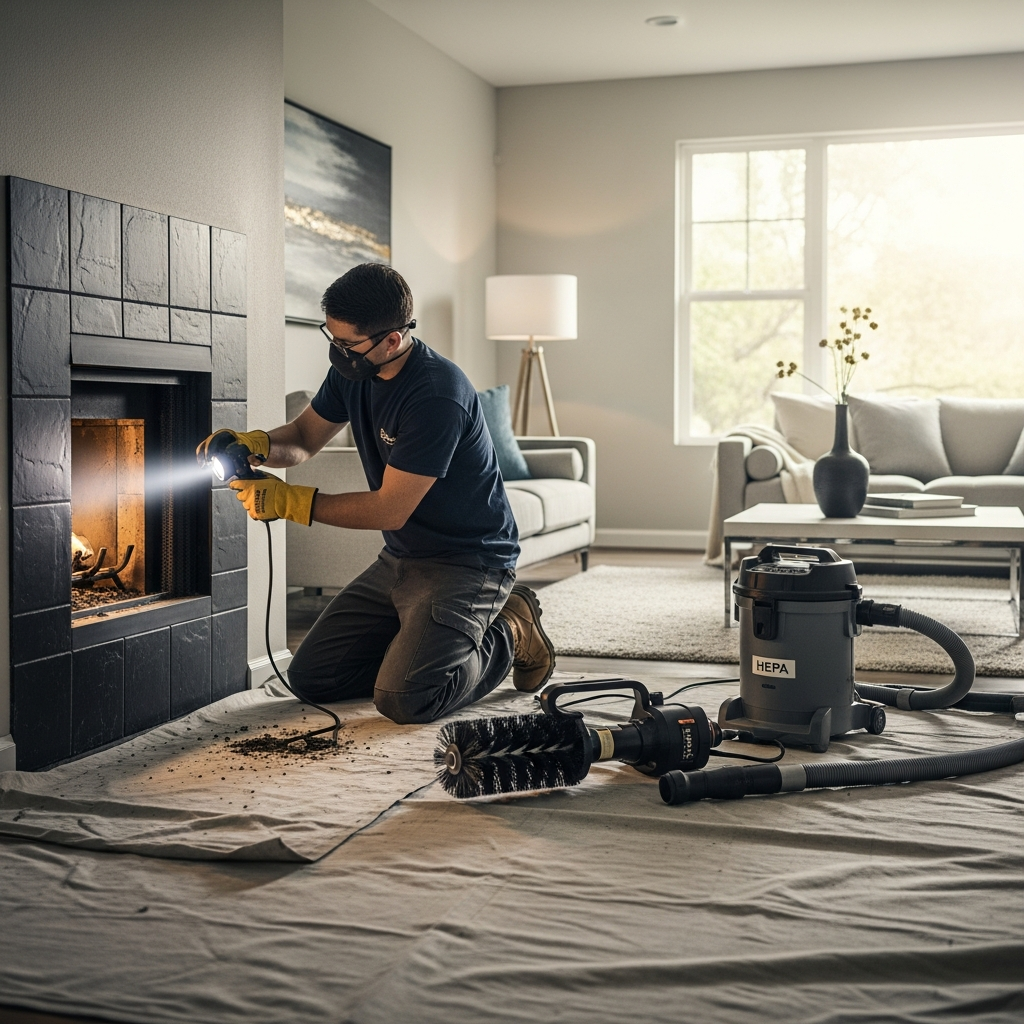
Expect a brief walk-through at the start. The technician will confirm your goals, whether you have noticed smoke at startup, odor after rain, or simply want annual assurance. Floors near the hearth are covered, and the area is set up for containment. If roof access is planned, the crew will stage ladders safely, paying special attention to tile or steep pitches common in Sunnyvale. This initial preparation phase sets the tone: clean, careful, and focused on protecting your home.
Clear communication is part of what you can expect. Before touching tools, you should hear a quick outline of the steps ahead—how inspection and cleaning interact, what photos or notes will be included in your report, and how any surprises will be handled. Knowing the plan calms nerves and makes it easier to follow along as the visit progresses.
Inspection: Looking Beyond the Surface
The inspection component comes first or is combined with cleaning, depending on your system. The goal is to assess both cleanliness and condition. Inside, the technician will examine the firebox, damper, and smoke chamber, looking for wear, gaps, or misalignments. They will also consider how well the damper seals, which affects draft and energy efficiency. For inserts and stoves, panels are removed as needed to reach venting connections and key components.
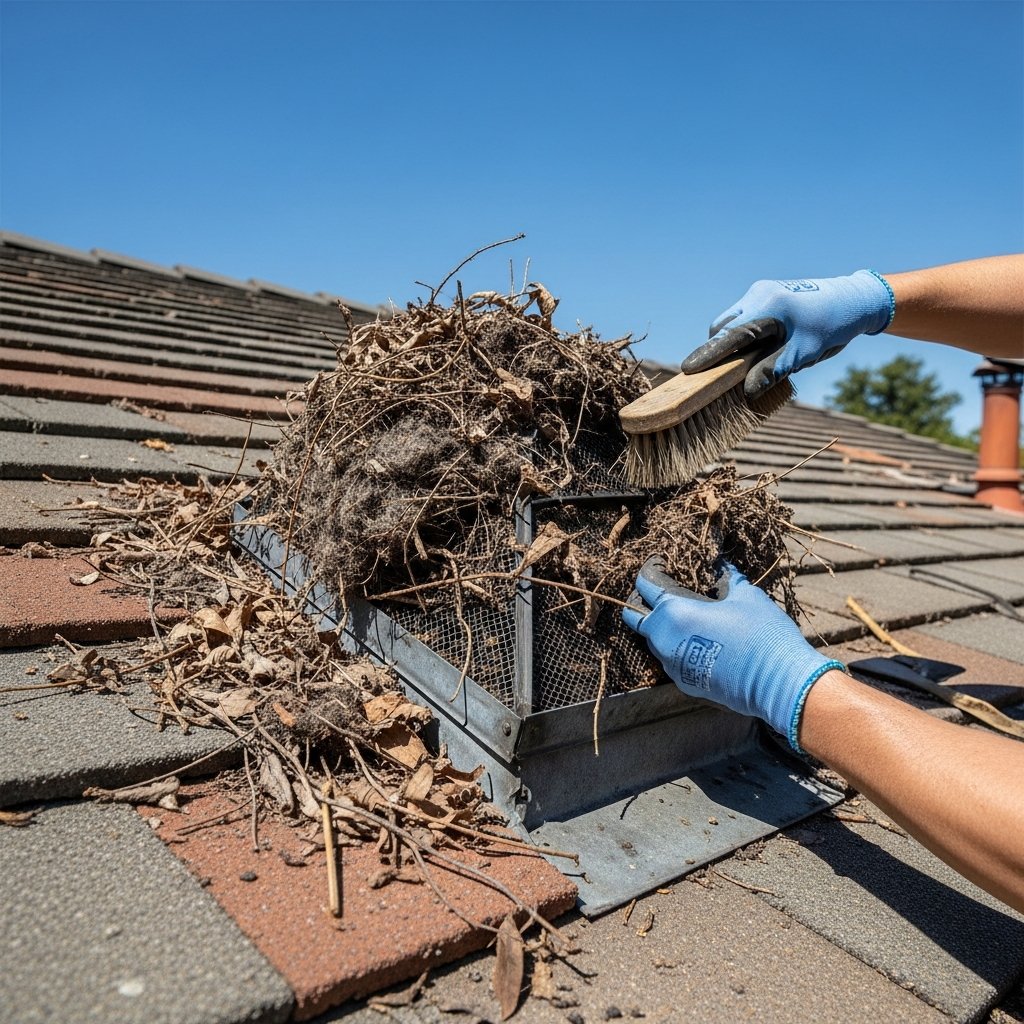
Outside or at the top of the chimney, the cap, crown, and flashing receive close attention. In the South Bay’s windy winter storms, caps can loosen or screening can deform, letting leaves or animals find their way in. Crowns endure sun and heat, then cool nights, which can introduce small cracks over time. Flashing, where chimney meets roof, must shed water cleanly; otherwise, roof leaks and staining can appear far from the actual entry point.
Cleaning: Methodical and Contained
Once the inspection identifies what is present, the cleaning process begins. Containment is set, and HEPA filtration captures fine particulates. The flue is brushed with tools matched to its design—rotary systems for stubborn deposits in masonry, softer whips for metal liners, narrow brushes for pellet or stove venting. Soot and creosote are removed systematically from top to bottom or bottom to top, depending on the safest access for your home.
During cleaning, the technician evaluates what the deposits reveal. Flaky soot points to hot, efficient burns, while shinier layers may hint at cooler flue temps, damp fuel, or restricted airflow. This detective work matters because cleaning is not only about removing what is there; it is also about shaping better performance going forward, so your fires light easier and your living room stays fresh.
Draft, Venting, and the Sunnyvale Context
Draft is the engine behind every good fire. In energy-efficient Sunnyvale homes, sealed windows and strong kitchen range hoods can compete with the fireplace for air. That is why technicians often ask about your ventilation habits. Opening a nearby window slightly during startup, for example, can help a lot. Homes near tall trees may also see seasonal changes; when canopies thicken, wind patterns around the roof can subtly alter how smoke exits.
Our microclimate brings morning moisture, winter rains, and dry, sunny stretches. Each phase tests different parts of the system. Moisture can interact with residues to create odors on humid days; sun and heat can stress crowns and masonry; breezy afternoons can drive downdrafts if caps are not well designed. A good inspection and cleaning visit connects these dots so you understand your chimney in the context of Sunnyvale’s rhythms.
Roof Safety and Access Choices
Not every chimney requires roof access, but when it does, safety leads the way. Tile roofs demand padded pathways and patient steps, while composition shingle roofs require stable ladder angles and secure footing. Some chimneys are best served entirely from the hearth with flexible rods, especially on rainy days or delicate roof surfaces. A clear explanation of why a particular access method is chosen builds trust and ensures you know how your home is being protected.
For multi-story homes, plan for a little extra staging time. The reward is a thorough view of caps, chase covers, and termination points—key areas that keep your system dry and free of pests. When those components are healthy, everything below benefits.
Documentation You Can Understand
At the end of the visit, you should receive a concise, readable summary. Expect notes on the flue’s condition, any wear in the smoke chamber or crown, the status of the cap and flashing, and observations about draft behavior. Good documentation includes practical next steps prioritized for safety and function. If everything is sound, you will simply receive guidance on when to check back in, based on how often and how you burn.
This write-up is your roadmap for the season ahead. It is also a reference point for future appointments, helping track small changes before they become big ones. Over time, these records support a smoother, more predictable maintenance rhythm for your household.
What You Can Do Between Visits
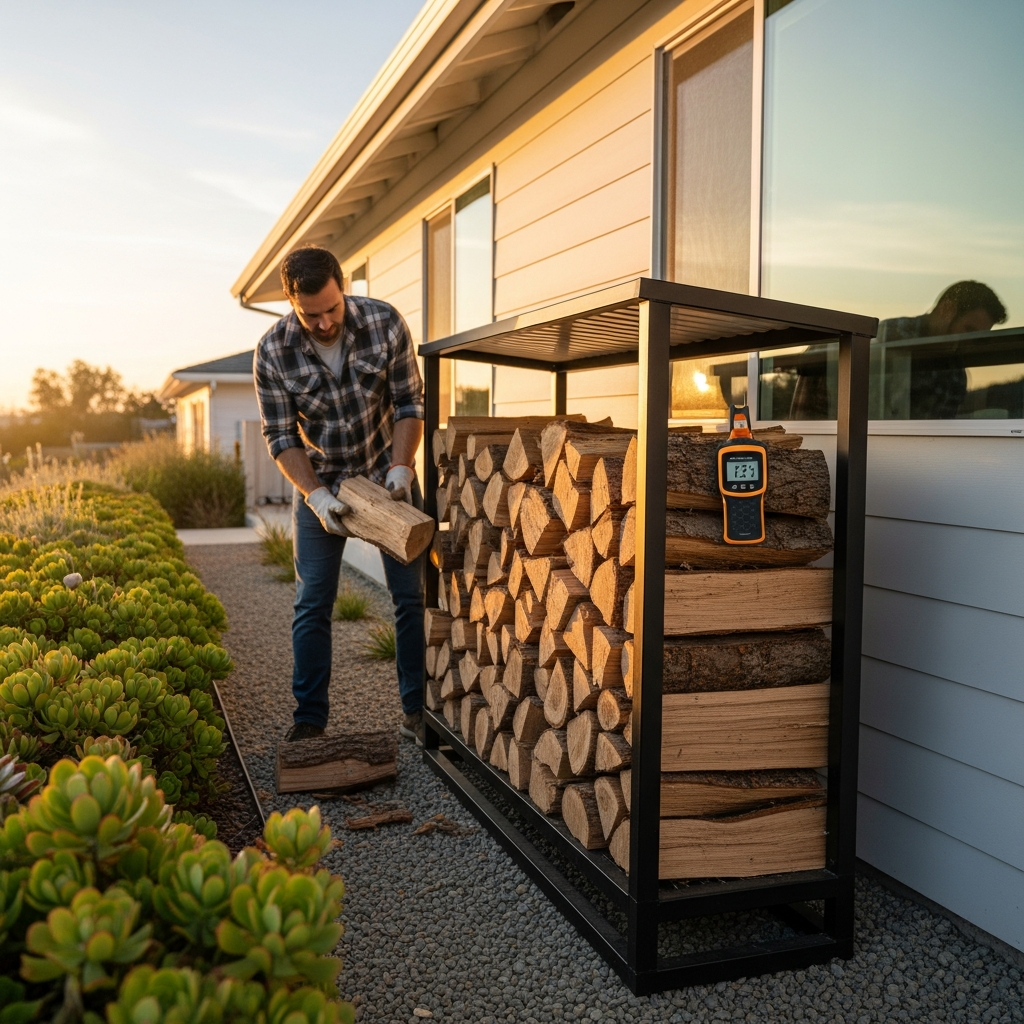
Daily habits have a big impact on performance. If you burn wood, choose well-seasoned logs and store them off the ground with a cover to keep them dry. Start with small kindling and open the damper fully to establish draft. For gas units, keep an eye on flame quality and make sure vents stay unobstructed. On windy or foggy mornings, a slightly open nearby window can help stabilize airflow during startup.
Pay attention to what your senses tell you. Smoke that lingers in the room, a downdraft on gusty afternoons, a musty odor after rain—each is a clue worth sharing at your next appointment. The more you notice, the faster a technician can zero in on small fixes that add up to big comfort.
Timeline and Expectations
Most visits are completed in a single appointment. Timing varies with roof access, the system’s design, and what the inspection reveals. What matters most is a steady pace that balances thoroughness with respect for your time. Your home remains tidy because the work area was prepared well, and questions are encouraged throughout—not saved for the last five minutes.
Midway through, it is normal for the plan to adapt. If the technician discovers a pattern of deposits that suggests a different brush is needed, they will switch tools. If a cap looks loose, they will let you know what it means and how it can be secured. This flexible approach ensures cleaning and inspection work with, not against, what your home presents.
Frequently Asked Questions
Q: How often should I schedule an inspection and cleaning? A: Most Sunnyvale homes benefit from an annual inspection, with cleaning performed based on what is actually found. Usage patterns and appliance type make a difference.
Q: Will my house get dusty during the visit? A: With proper containment and HEPA filtration, the work area stays clean. Floors are protected, and debris is captured as the flue is brushed.
Q: Do gas fireplaces need the same attention? A: Gas creates fewer visible residues, but vents must remain clear and components should be checked. An inspection ensures safe, efficient operation.
Q: Can weather change the plan? A: Yes. Roof safety comes first. If wind or rain makes roof access unsafe, a responsible team will shift to hearth-based methods or reschedule.
Q: What should I do to prepare? A: Clear a path to the hearth, move delicate items from the mantel, and plan a quiet spot for pets. If parking helps with ladder setup, that makes access easier.
Q: How does Sunnyvale’s climate affect my chimney? A: Morning moisture, winter rains, and summer sun each influence draft, masonry, and exterior components. Local knowledge helps tailor recommendations to these conditions.
Your Next Step Toward a Cleaner, Safer Hearth
With a clear sense of the process, you can approach your appointment with confidence. Choose a team that respects your home, explains each step, and leaves you with a plan for the season ahead. When you are ready to put that plan into motion, schedule trusted chimney cleaning services and enjoy a fireplace that feels as good as it looks in your Sunnyvale home.