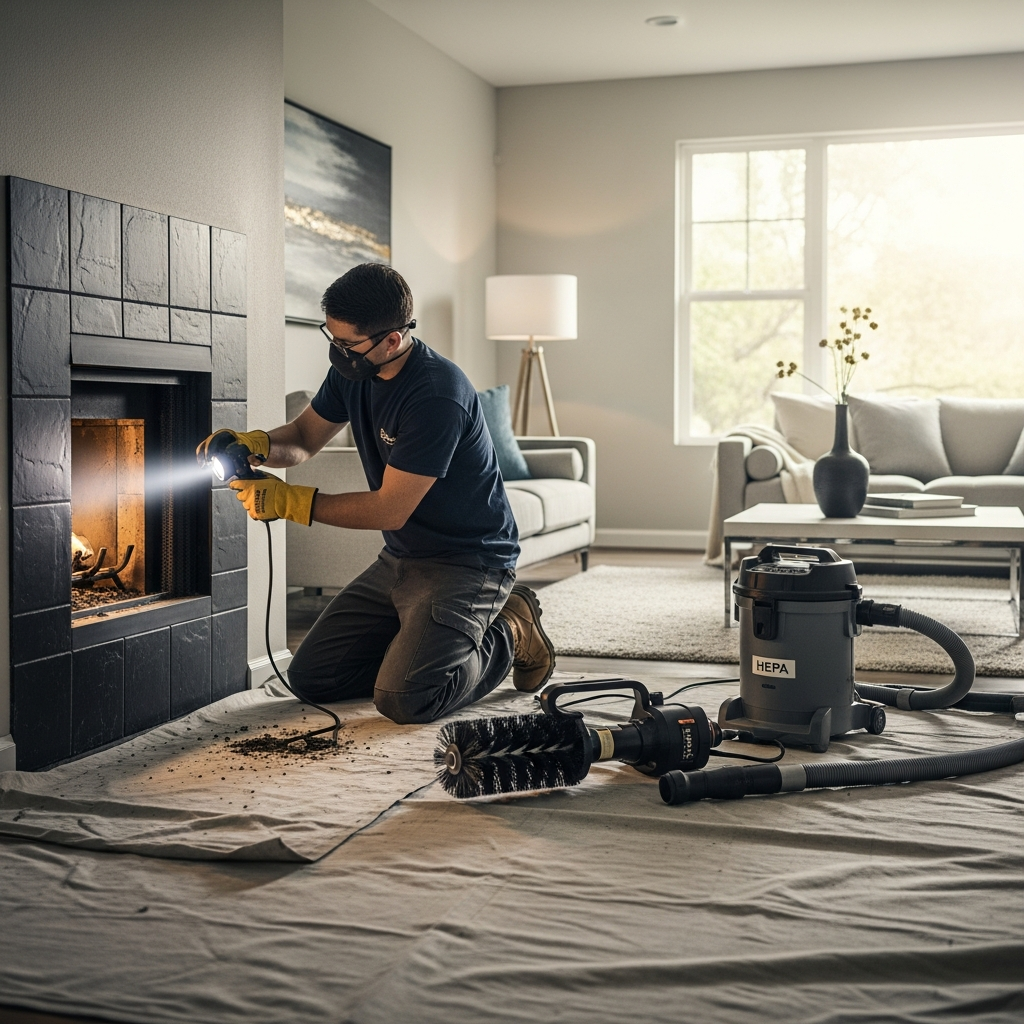
Ask any Sunnyvale homeowner with a well-loved fireplace and you will hear a familiar story: the joy of a steady flame on a cool evening, tempered by the occasional mystery odor, a fussy draft, or an unwelcome guest who built a nest over the summer. These are the everyday realities of living with a chimney in our microclimate, and they are exactly the kinds of issues that thorough chimney cleaning is designed to uncover and resolve. From moisture-driven smells in February to downdrafts when the afternoon breeze picks up, the symptoms are recognizable once you know what to look for—and they are almost always fixable with careful cleaning and a few targeted adjustments.
Persistent Odors in Damp Weather
One of the most common complaints arrives after a stretch of rain. A damp, ashy smell creeps into the living room when the damper is open—or, in stubborn cases, even when it is closed. In Sunnyvale, masonry chimneys sometimes absorb moisture through small crown cracks or porous mortar joints. Soot holds that moisture, and the resulting aroma can feel out of proportion to how often you burn. Cleaning removes much of the odor-holding material, and an inspection often reveals whether sealing the crown or adjusting the cap will help keep water out. Once the flue is clean and drying well, the smell slides into the background or disappears entirely.
Gas fireplaces can develop their own version of this issue. Although they produce different residues than wood fires, film on glass and small deposits on burners can mix with humidity, creating faint, sulfur-like odors. Cleaning burners and glass, along with verifying the exhaust path, restores the crisp flame and neutral smell that gas users expect.
Downdrafts, Backpuffing, and Competing Airflows
Sunnyvale’s afternoon breezes and occasional gusts create interesting pressure conditions. If the flue is partially blocked or the cap is undersized, wind can push air down the chimney, causing smoke to waver or drift into the room. Range hoods and whole-house fans complicate the picture by pulling air from the home, which the fireplace tries to balance. The result can be backpuffing—brief outbursts of smoke that stain the hearth and rattle nerves.
Cleaning helps by restoring the flue’s intended diameter and removing obstructions, but it is the inspection that completes the solution. A correctly sized, well-seated cap with a spark arrestor calms wind turbulence, while a damper that closes and opens smoothly gives you better control. When those elements align, draft becomes predictable even when the neighbor’s redwood trees sway in a gust.
Creosote Build-Up and Glazed Deposits
Creosote is the classic culprit behind many chimney issues, and our mild winters can be deceptive. Because Sunnyvale does not endure months of deep freeze, homeowners sometimes assume a few fires each week will not produce much residue. In reality, even occasional fires add up over the season. Stage-one creosote looks like fine, black soot. Stage-two appears as chunky flakes. Stage-three becomes a shiny, hardened glaze that can be stubborn to remove and potentially hazardous. Regular cleaning keeps deposits in the early stages, where they are easiest to address without aggressive measures, and prevents that tar-like finish from taking hold.
Pellet users see a related phenomenon: fine ash that migrates into passages and exhaust components. When it is allowed to accumulate, efficiency drops and shutdowns become more common. Routine cleaning dispels that ash before it has a chance to cause nuisance errors or wear parts prematurely.
Animal Nests and Debris Intrusion
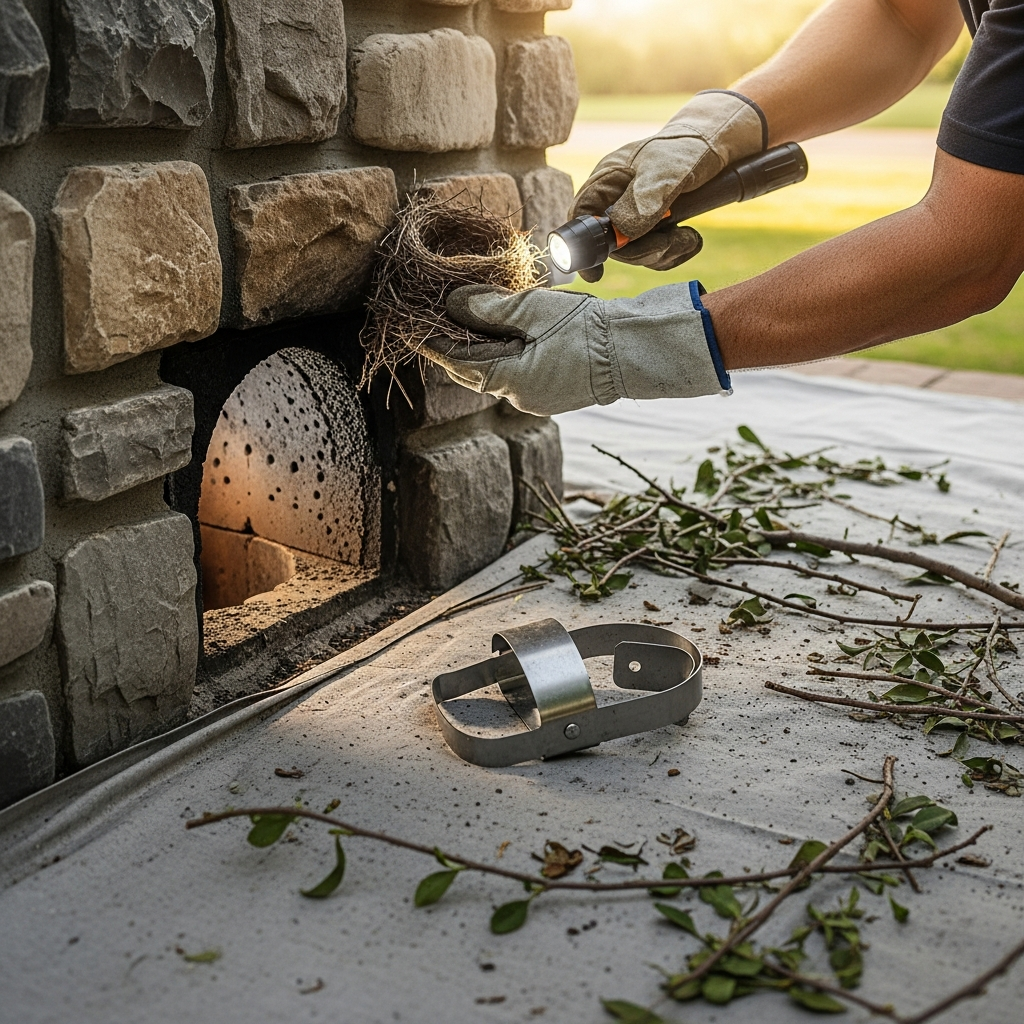
Spring and early summer in Sunnyvale are prime time for birds and small animals to seek shelter. An unprotected flue or a cap with a torn screen is an open invitation. Nests can block airflow, scatter debris into the firebox, and introduce odors you cannot quite place. Cleaning clears the obstruction, and a snug, corrosion-resistant spark arrestor cap turns the flue back into a one-way exit for smoke rather than a cozy home for critters. During inspections, technicians look for feathers, twigs, and material lodged on the smoke shelf—the kind of clue that confirms what your nose already suspected.
Windblown yard debris can also find its way inside. Leaves and fine dust that settle in the cap screen or smoke shelf slowly constrict airflow. Regular sweeping ahead of the heating season leaves those components fresh, which helps the first fire of the season light without fuss.
Water Stains, Efflorescence, and Rust
Masonry chimneys sometimes display white, powdery stains—efflorescence—when moisture moves through brick and mortar, carrying salts to the surface. That is a sign to take action. Cleaning exposes the extent of soot and helps the inspection process zero in on where water might be entering. Crown cracks, missing mortar, or a cap that is not sealed properly are common culprits. Prefab systems tell a similar story through rust: a stained chase cover, a misshapen storm collar, or orange streaks down siding. Left alone, those small signs become larger repairs. Addressing them promptly keeps the chimney structurally sound and prevents that damp smell that seems to linger after rain.
Because moisture and soot interact, the clean-and-seal sequence often delivers outsized results. Once soot is removed and water is kept at bay, odors fade, liners last longer, and the entire system behaves more predictably from one burn to the next.
Glass Discoloration and Flame Quality in Gas Units
Many Sunnyvale remodels include a gas insert for convenience and ambiance. Over time, the glass can cloud and the flame pattern can lose its crispness. Mild deposits on burners or a restricted exhaust path change the way the flame draws air and mixes with fuel. Cleaning reverses that trend. Homeowners typically notice that the flame returns to a balanced, natural look, the glass stays clear longer, and faint odors subside. While not as dramatic as pulling creosote from a wood flue, the improvement is just as satisfying because it restores the appliance to its intended performance.
Seasonal Timing and Mid-Winter Surprises
Most families in Sunnyvale do not plan to burn as often as they end up burning. The first chilly weekend arrives, a gathering is scheduled, and before long the fireplace is carrying more duty than expected. Mid-season cleaning can rescue a system that feels a little bogged down after the holidays. The process realigns draft, tidies the smoke shelf, and ensures the cap is clear—especially important after windy spells that push debris toward the roofline. If you prefer predictability, putting professional chimney cleaning on a recurring schedule keeps surprises to a minimum.
Noise, Vibration, and Odd Sounds
Metallic rattles or low hums on windy nights often trace back to caps, storm collars, or loose chase covers. During cleaning, technicians are already on the roof or at the termination point, making it a convenient time to quiet those components. Tightening fasteners, replacing worn screens, and resealing flashing not only stops the noise but also helps the chimney stand up better to the next gusty afternoon.
FAQs
Q: Why does my fireplace smell worse after rain? A: Moisture mixes with soot and creosote to amplify odors. Cleaning removes much of the odor source, and sealing the crown or adjusting the cap keeps water out so smells do not return.
Q: How do I know if animals have nested in my chimney? A: Clues include debris falling into the firebox, unusual odors, or noises near the cap. Cleaning and inspection confirm the cause and a snug arrestor cap prevents a repeat.
Q: My gas insert’s glass keeps fogging—will cleaning help? A: Yes. Cleaning burners and pathways restores proper combustion and keeps glass clearer for longer, which also reduces odors.
Q: What causes backpuffing? A: Flue restrictions, wind effects, and competing air demands from range hoods or whole-house fans can push smoke into the room. Cleaning and correct cap sizing usually solve the issue.
Q: Do I need to clean if I only burn a few times each year? A: Even light use creates residue, and chimneys can collect debris during the off-season. An annual check keeps the pathway clear and reveals small issues before they grow.
Q: Can cleaning stop efflorescence on my chimney? A: Cleaning helps reveal source points, but the fix often includes sealing the crown, repointing mortar, or replacing an aging cap to redirect water effectively.
Your fireplace should be a source of comfort, not a source of questions. If odors, draft quirks, or mysterious sounds have held you back from lighting that next fire, take the simplest step forward and book a professional chimney cleaning. With a careful sweep, clear-eyed inspection, and a few smart adjustments, you can enjoy reliable warmth and a fresher, quieter hearth all season long.