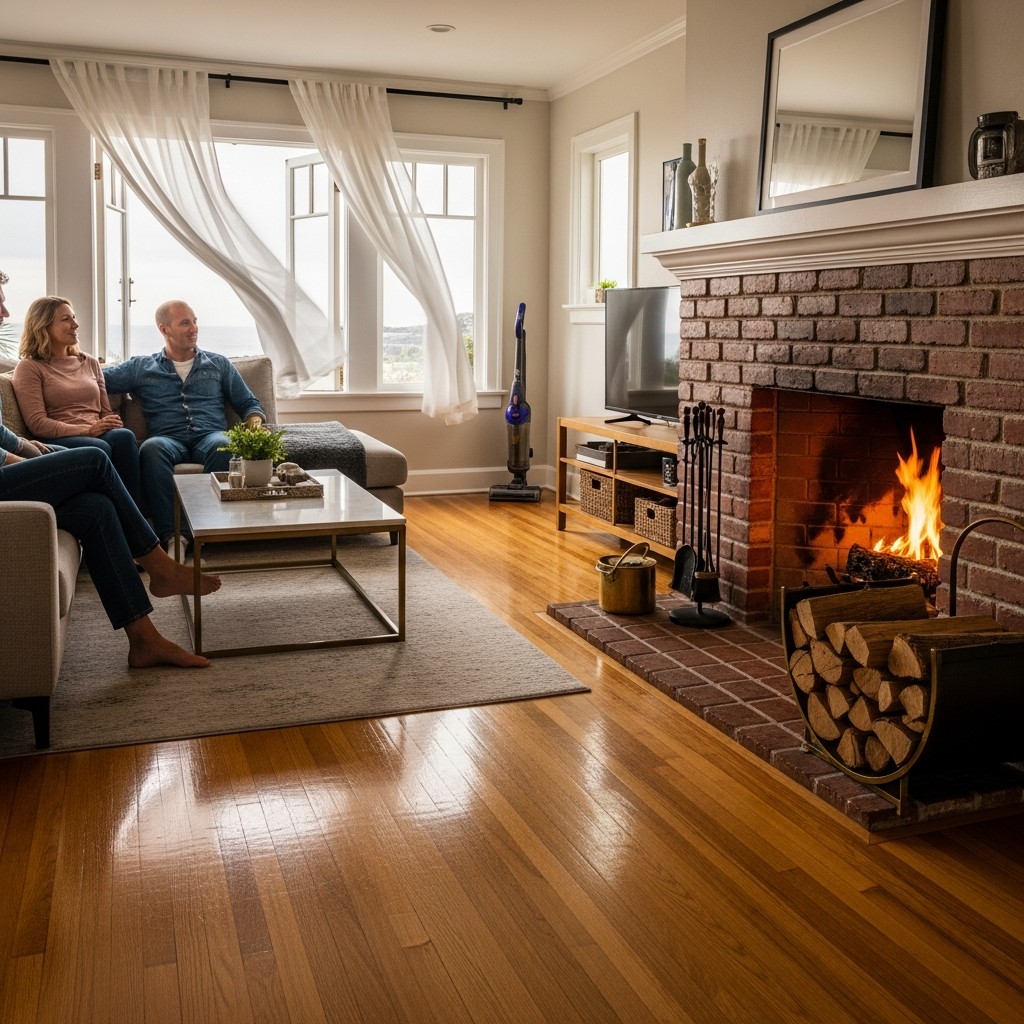
Sunnyvale homeowners have always appreciated systems that work quietly and efficiently in the background. As the city continues to lead in sustainability—from front-yard drought-tolerant landscaping to efficient heat pumps—chimney care is evolving too. Today’s trends emphasize cleaner work practices, smarter diagnostics, and choices that support healthier homes and a lighter environmental footprint. When done well, modern chimney cleaning unites traditional craftsmanship with tools and approaches that protect your living space, your family, and our shared air.
Low-Dust, High-Capture Cleaning Methods
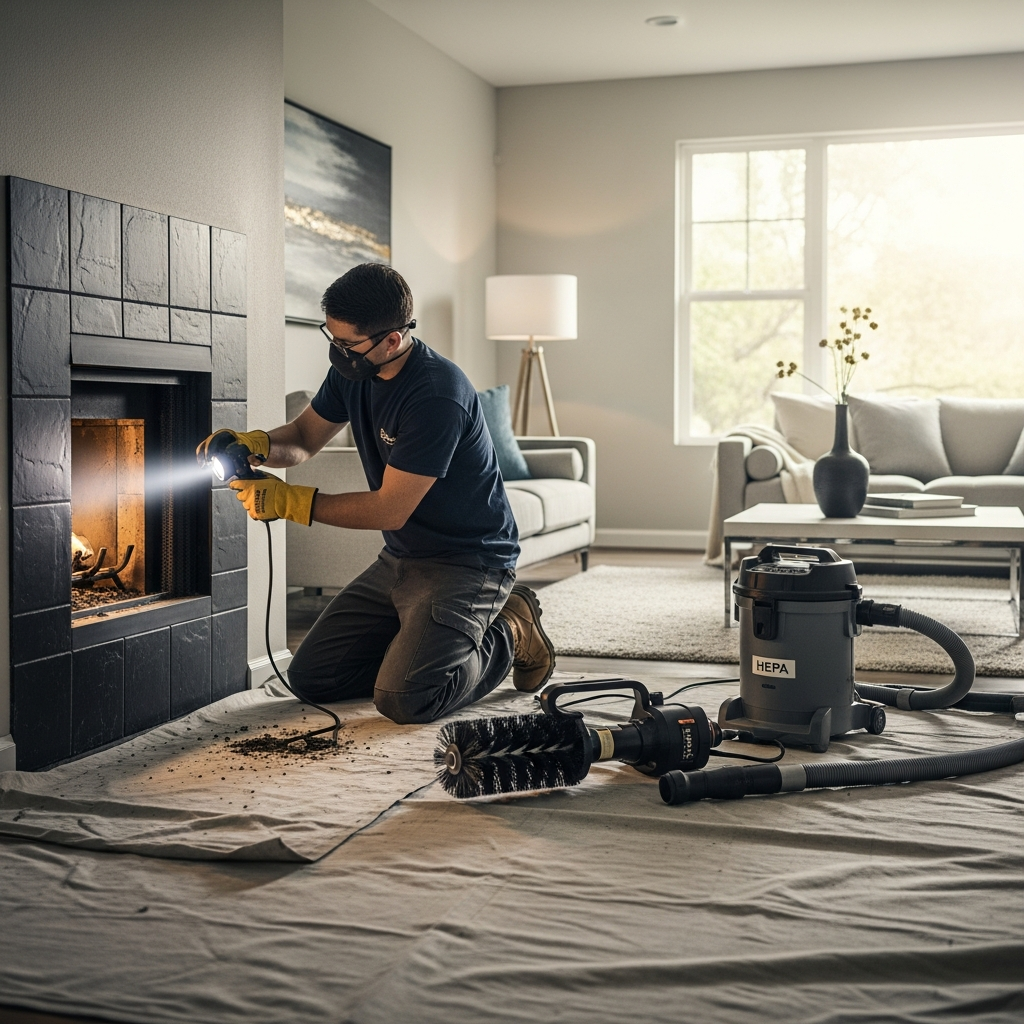
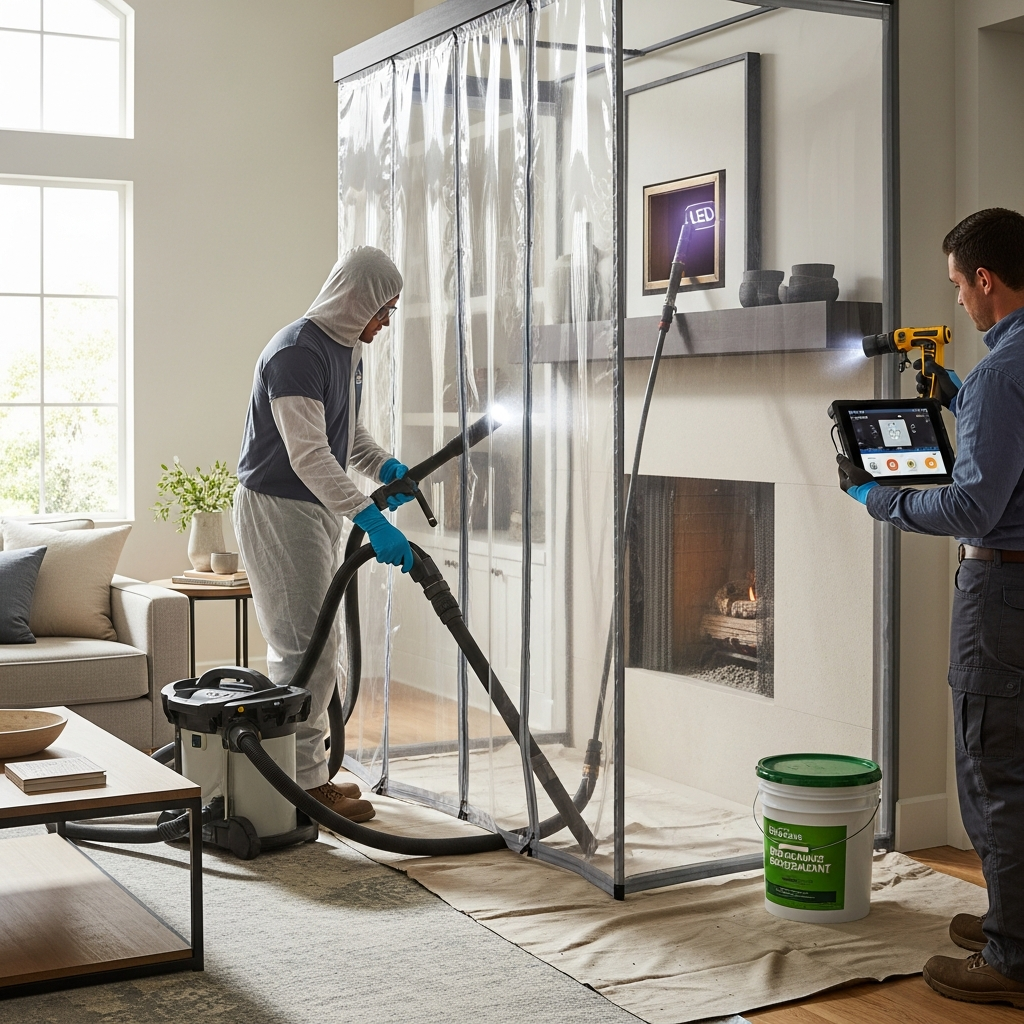
The first trend Sunnyvale homeowners notice is how clean the process has become. Advanced HEPA-filtered vacuums, sealed containment around the firebox, and floor-to-ceiling draping techniques allow technicians to work without spreading fine ash indoors. Instead of old-school sweeping where dust might escape into the room, the goal now is near-zero migration. That is a win for indoor air quality, especially in smaller living rooms common to mid-century homes and in open-plan remodels where one space flows into the next.
Rotary power sweeping systems are another step forward. Using flexible rods and specialized heads, they remove stubborn creosote more completely while keeping debris under control. For clay tile liners, the right brushes improve contact without damaging the tile. For stainless steel liners, appropriately sized whips and heads scour gently but effectively. The result is a cleaner flue in less time and with less airborne dust—precisely the kind of upgrade that aligns with Sunnyvale’s focus on health and efficiency.
Water-Based and Low-VOC Materials
Sealants and cleaners have come a long way, with water-based, low-VOC products now widely available for crowns, smoke chambers, and minor masonry repairs. When a crown shows hairline cracks or the smoke chamber needs parging, eco-friendlier compounds can be applied with excellent durability and fewer fumes. Homeowners appreciate the lack of lingering odors and the knowledge that improvements are made with materials that align with broader sustainability goals.
Even small touches count, like using biodegradable degreasers for glass doors or choosing drop cloths and protective barriers made from recycled materials. Over the course of many homes and many seasons, these choices add up, reducing the environmental footprint of maintenance without sacrificing results.
Battery-Powered Tools and Quiet Operation
Another welcome trend is the adoption of battery-powered tools. Cordless HEPA vacuums, LED inspection lights, and compact rotary drivers reduce the need for idling power sources and minimize noise, an appreciated courtesy in Sunnyvale’s close-knit neighborhoods. Less noise also means less disruption if you are working from home or taking a midday meeting while the technician is on-site. Subtle improvements like these make the service feel more at home in modern households.
With battery tech improving, crews can handle the bulk of cleaning and minor adjustments without trailing cords through your living room. That lowers trip hazards and speeds setup and teardown—the kind of operational efficiency that benefits both the technician and the homeowner.
Digital Inspections and Plain-Language Reports
Today’s inspections are more visual and more transparent than ever. Small, high-resolution cameras document liner condition, smoke shelf cleanliness, and the integrity of caps and crowns. Instead of vague descriptions, you receive clear photos or short video clips that show exactly what is happening in your flue. The educational value is significant. When homeowners see a cracked tile, a misaligned damper, or a partial cap blockage, the “why” behind a recommendation becomes obvious.
Reports are also easier to store and reference. Many Sunnyvale homeowners keep a digital folder for house records—HVAC service, roof inspections, and now chimney care—so future planning becomes straightforward. When selling a home, those records demonstrate a history of thoughtful maintenance, which buyers appreciate.
Cleaner Burning and the Bigger Air-Quality Picture
Even an occasional winter fire touches the broader air-quality conversation in the Bay Area. A clean flue helps fuel burn more completely, reducing smoke and odor. For wood-burning fireplaces, pairing cleaning with sensible fuel choices—well-seasoned wood and conservative, steady fires rather than roaring blazes—lowers emissions further. Pellet stoves benefit from clear exhaust paths and properly tuned feed rates, which make for efficient, low-smoke operation.
Gas inserts, common in Sunnyvale remodels and accessory dwelling units, also gain from clean pathways. While they do not produce creosote the way wood does, they can develop film on glass or minor deposits in burners that compromise flame quality. Cleaning restores clarity and combustion stability, which is both tidy and efficient.
Smarter Scheduling and Data-Backed Service
Another trend is the shift toward smarter, more proactive scheduling. Rather than waiting for visible soot or odd odors, homeowners now rely on usage-based reminders and seasonal cues. Service apps track when the flue was last cleaned, how heavily the fireplace has been used, and when to aim for the next inspection. In Sunnyvale, timing cleanings for late summer or early fall remains wise, but a quick mid-season refresh after holiday hosting can be just as impactful.
Data-backed service also means technicians arrive informed. Photos from the last visit, notes about damper settings, and observations about local wind patterns all inform today’s work. This continuity helps catch small changes—a cap that vibrates in wind, a shift in crown condition, or a persistent odor in wet weather—before they become disruptive.
Waste Minimization and Responsible Disposal
What happens to the debris matters, too. Reputable providers collect and dispose of soot and ash responsibly, keeping contaminants out of storm drains and gardens. While some old-timers used to suggest spreading cooled ash around plants, modern guidance urges caution because ash can contain trace metals. The trend today is to prioritize proper collection and disposal, while recycling metal components—like old caps or chase covers—whenever possible. It is a small but concrete step toward cleaner neighborhoods and waterways.
On the material side, swapping corroded caps or rusted chase covers for stainless steel improves the longevity of the chimney while reducing the need for frequent replacements. Longer-lasting parts reduce waste over the life of the home, a sustainable outcome that complements Sunnyvale’s long-view approach to homeownership.
Education-Forward Service
Eco-minded chimney care is as much about education as it is about hardware. A good visit ends with practical, plain-language advice: keep wood dry under a covered rack, avoid burning trash or glossy paper, and let the fire establish gentle coals rather than chasing big, smoky flames. Encourage adequate room ventilation when using powerful range hoods so the fireplace does not have to fight for make-up air. These habits work with a clean flue to maintain lower emissions and a calmer, cleaner burn.
For gas users, education includes how to keep the glass looking its best, how often to check gaskets, and what a healthy flame pattern looks like. When you understand what “normal” should be, you will know sooner when to call for service.
Neighborhood Case Notes
In a classic ranch near Fair Oaks, a homeowner had persistent smoky odors in damp weather. A camera inspection during cleaning revealed creosote smearing in the smoke chamber and a crown crack that had allowed moisture to seep in. A water-based crown sealant and a thorough rotary sweep solved the odor without harsh chemicals. In a newer townhouse closer to the tech corridors, a gas insert kept clouding its glass. Careful cleaning and small burner adjustments restored a crisp, blue-edged flame and reduced the need for frequent wipe-downs.
Mid-Article Takeaway
If you are considering an eco-forward service plan, remember that sustainability and performance go hand in hand. HEPA-contained sweeping, water-based repairs, and clear documentation all contribute to a fireplace that behaves better and pollutes less. Tying those steps together with reliable scheduling through a local, professional chimney cleaning provider keeps results consistent from season to season and year to year.
FAQs
Q: What makes a chimney cleaning “eco”? A: Low-dust methods with HEPA vacuums, water-based repair materials, efficient tools, and responsible debris disposal are hallmarks. Add digital inspections to avoid unnecessary work and you have a modern, eco-conscious service.
Q: Do stainless steel liners and caps really matter? A: Yes. They resist corrosion, last longer in damp winter conditions, and reduce the frequency of replacements—outcomes that save materials and hassle over time.
Q: Can pellet stoves be part of an eco strategy? A: Pellet stoves can be efficient and low-emission when kept clean and properly tuned. Regular ash removal and exhaust cleaning are key to maintaining that performance.
Q: Will an eco-minded cleaning cost more time? A: Modern equipment often speeds the visit while keeping dust down. The focus is not on taking longer, but on working smarter and documenting clearly.
Q: Are there steps I can take between cleanings? A: Burn seasoned wood, store it covered and off the ground, avoid glossy paper or trash, and crack a window slightly if a powerful range hood competes for air. Those small habits keep soot lower and draft steadier.
Q: What about odors after rain? A: Moisture mixing with soot can cause a musty, ashy smell. A clean flue dries faster, and water-based crown sealing plus a snug cap often resolve lingering odors in our climate.
Ready to pair sustainability with performance? Choose a service that treats your living room with care, your chimney with craft, and your neighborhood with respect. Book a modern, low-dust, photo-documented chimney cleaning and enjoy a hearth that is cleaner, safer, and better aligned with Sunnyvale’s forward-looking values.