Fire safety in Sunnyvale is not just about smoke detectors and a handy fire extinguisher. It is also about the quiet systems that carry heat and combustion byproducts safely out of your home. That is where routine chimney cleaning makes a decisive difference. In our corner of the South Bay, cool evenings and the occasional blustery spell encourage more fireplace use than new arrivals expect. Over the season, deposits accumulate and small issues emerge, and if left unchecked, those issues can align to create risk. The good news is that conscientious cleaning and inspection take most of the mystery out of fireplace safety, turning a potentially unpredictable system into a reliably well-behaved part of your home.
How Chimney Fires Start—and How Cleaning Intervenes
A chimney fire is not like a typical house fire that starts in a kitchen or garage. It begins inside the flue when creosote ignites under high heat. Early in the season, light, fluffy soot coats the liner. As you burn more, the creosote can thicken and harden into a shiny, tar-like glaze that burns hot and fast. If the draft is strong and the chimney is dry, the conditions for ignition are present. A routine cleaning removes these fuels before they can participate in a runaway event. That is step one for fire safety: control the fuel load.
There is also the matter of airflow. Soot and debris constrict the flue, forcing smoke and heat to squeeze through smaller passages. That accelerates temperatures in pockets, creating hot spots against liners or nearby framing. By restoring the flue to its intended diameter, a sweep evens out temperatures and allows exhaust to move predictably. Much like keeping a dryer vent clear, the result is lower operating stress and a safer system overall.
Sunnyvale’s Weather and Building Styles Add Context
Local conditions matter. Our weather features a push-and-pull between coastal breezes and inland pressure changes. On gusty evenings, downdrafts can nudge smoke in odd directions; on still nights, the flue can run hot as heat stacks upward. Meanwhile, our housing stock spans classic brick-and-mortar chimneys to double- and triple-wall factory-built systems. Masonry units can develop small cracks in the crown or flue tiles that, if overlooked, allow heat to reach wood framing. Prefab systems depend on clean, intact metal parts and a well-fitted cap. Cleaning paired with inspection spots those vulnerabilities early, so a careful patch, reseal, or hardware refresh can be completed long before a small weakness becomes a larger hazard.
We also live within a region where autumn winds and dry vegetation can align unexpectedly. An unprotected or dirty flue that expels embers has a higher chance of igniting nearby material than one equipped with a proper spark arrestor and a clean interior that burns fuel more completely. The takeaway is simple: a swept, inspected, and properly capped chimney is friendlier to both your roof and your neighborhood.
Draft, Backpuffing, and Carbon Monoxide
Another layer of fire safety concerns draft stability. When a flue is partially blocked, smoke may spill into the room through the firebox, or fumes may find their way into adjacent spaces. Even low-level smoke exposure is not ideal, and if combustion becomes starved of oxygen, carbon monoxide production can increase. A clean chimney, combined with functional smoke and CO detectors, dramatically reduces the odds of such events. Homeowners often report that, after cleaning, fires light more easily and glass doors stay clearer—both signs of stable combustion and reliable exhaust.
Backpuffing deserves a special mention. This occurs when pressure inside the firebox suddenly equalizes with room air, pushing smoke and embers outward. Range hoods and whole-house fans can contribute by pulling air from the home. A clean, correctly sized flue and a well-seated damper help moderate these effects. During cleaning and inspection, we verify those elements so your system handles real-world conditions more gracefully.
What a Thorough Cleaning Includes
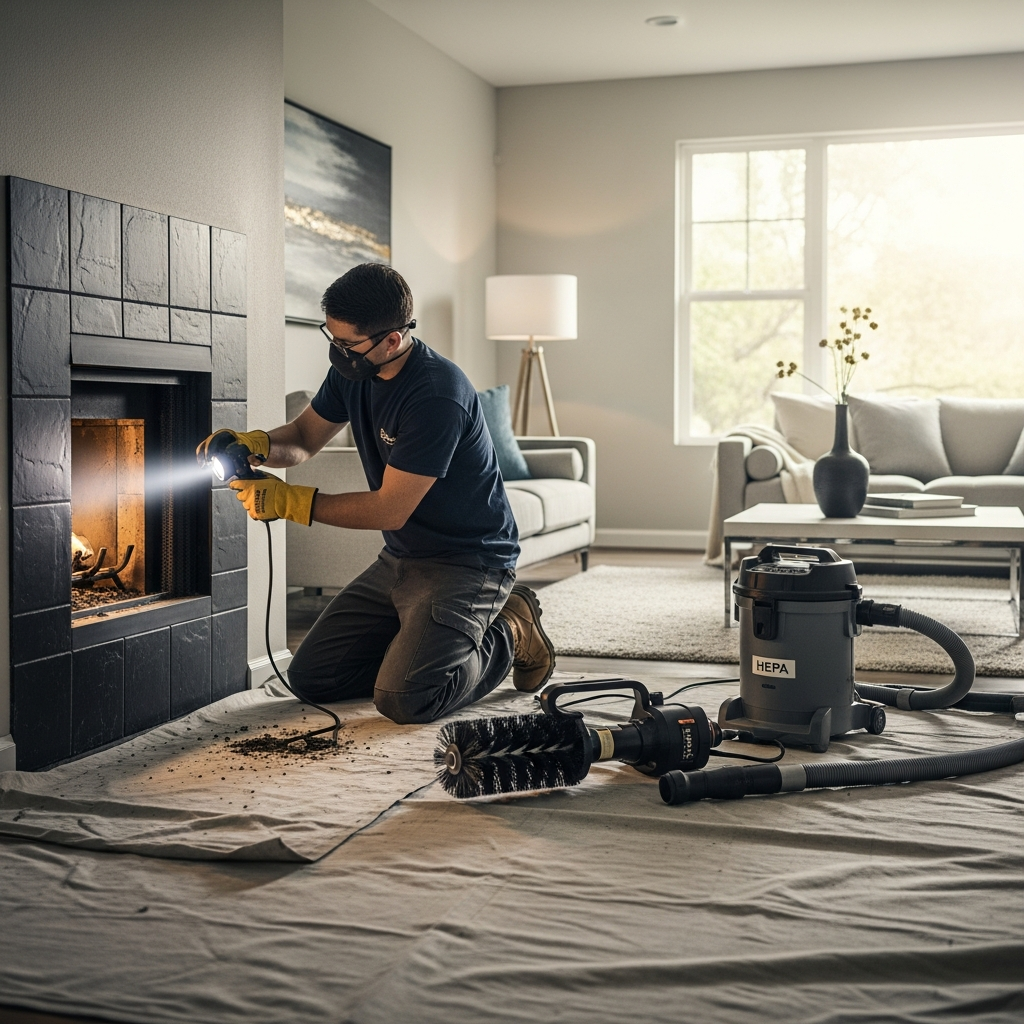
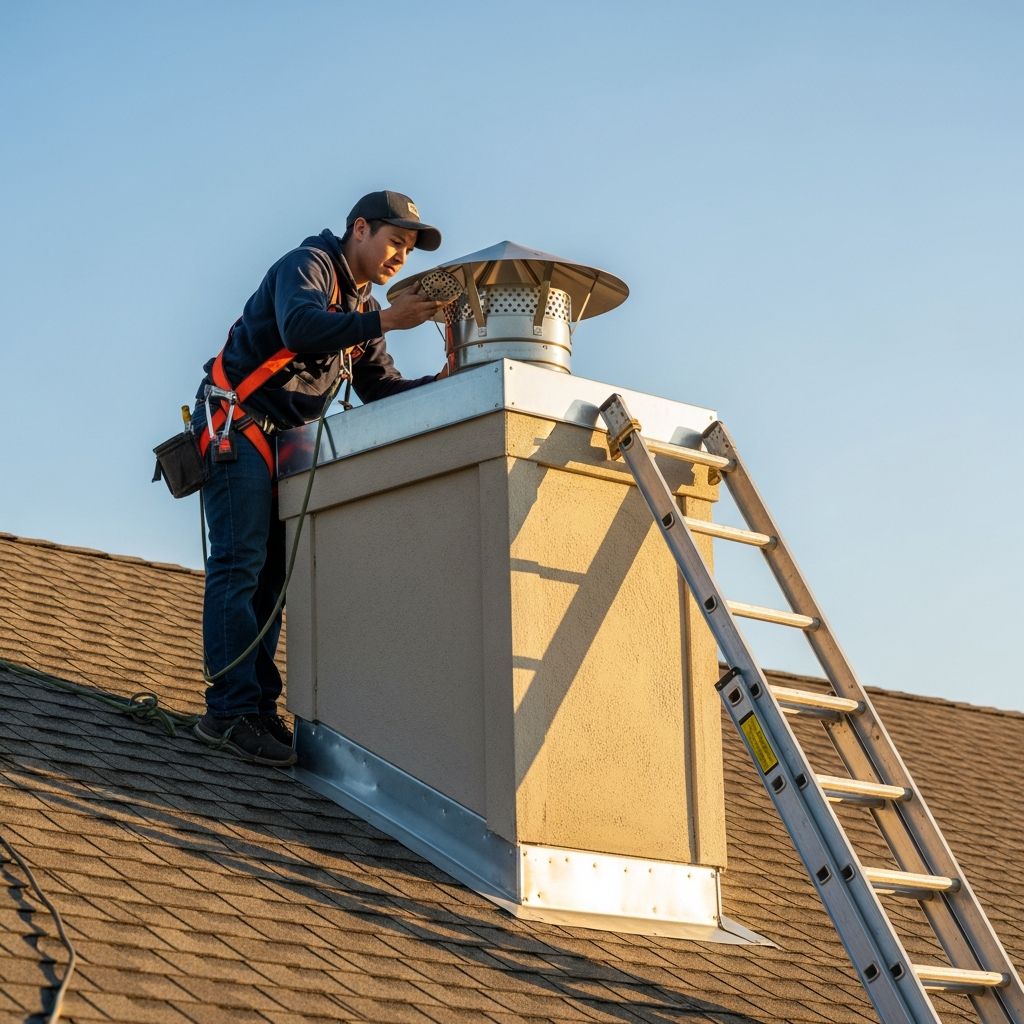
Homeowners sometimes imagine cleaning as simply running a brush through the flue. In practice, it is a complete service. The firebox is cleared of ash and loose debris, the smoke chamber and shelf receive careful attention, and the flue interior is swept to remove soot and creosote. A conscientious technician protects flooring and furnishings, sets up a sealed vacuum with high-grade filtration, and confirms that the cap, crown, and flashing are performing as intended. For factory-built systems, the focus expands to include the chase cover, storm collar, and the delicate clearances that keep heat away from framing. The benefit is twofold: fuel is removed and system integrity is assessed in one visit.
In Sunnyvale, we routinely see improvements after addressing small but telling issues—like a damper that does not fully open, a cap screen partially clogged with lint-like ash, or a smoke shelf harboring years of fine debris. Post-service, the fireplace burns steadier, odors diminish, and the homeowner gains useful notes for the next seasonal check.
Real Examples from Local Homes
In one Heritage District bungalow, a family noticed a humming noise on windy nights and a smokier fire every time they cooked with the kitchen fan on. Cleaning revealed light creosote, a misaligned damper, and a cap that had loosened just enough to buzz in gusts. Securing the cap and sweeping the flue resolved the sound and stabilized the draft, even with the range hood running. In a townhouse closer to Lawrence Expressway, a gas fireplace’s glass was fogging quickly and leaving a faint sulfur odor. A careful cleaning of the burner ports and exhaust path restored the natural flame pattern and clarity, eliminating the smell and reducing the heat stress on nearby materials.
Mid-Season Peace of Mind
Many Sunnyvale families burn more than they anticipate once the first cool front arrives. A mid-season check, especially after heavy use during the holidays, can be as valuable as the pre-season sweep. If hot weeks are followed by a rainy stretch, the combination of creosote and moisture can set the stage for corrosion or odors. A brief visit to refresh the flue, verify the cap’s condition, and check visible masonry can keep everything steady through February. If you prefer a set-and-forget routine, scheduling professional professional chimney cleaning at predictable intervals removes guesswork and ensures that a trained eye monitors any developing trends year over year.
Working with the Way We Live
Sunnyvale homes are social homes. Between school gatherings, tech meetups, and extended family visits, fireplaces often become a centerpiece. Safety, then, is not an abstract goal. It is the confidence to host without wondering if the next log will send smoke into the room or if the firebox is running hotter than it should. Cleanings are quick compared to the peace of mind they offer, and the side benefits—less odor, easier starts, better-looking glass—enhance the day-to-day experience.
FAQs
Q: How often should I clean my chimney for safety? A: Once a year is a strong baseline, with an extra check if you burn heavily during winter or switch between wood and gas use. The goal is to remove fuel and confirm that parts like caps and dampers are healthy.
Q: Can a gas fireplace cause a chimney fire? A: Gas systems rarely cause classic creosote-driven chimney fires, but they can overheat components if exhaust paths are restricted. Regular cleaning and inspection keep heat where it belongs and identify issues before they escalate.
Q: Will cleaning reduce smoke alarms going off? A: Yes, in many cases. When a flue draws properly after cleaning, smoke is less likely to linger in the room, which lowers nuisance alarms triggered by faint haze at startup.
Q: Do I need a spark arrestor in Sunnyvale? A: A well-fitted arrestor cap is strongly recommended. It keeps embers in check, discourages animals from nesting, and stabilizes airflow under our onshore breezes.
Q: Is there a best time of year for cleaning? A: Late summer through early fall is ideal so any repairs are handled before frequent use. If you burn more than expected, a quick mid-season refresh keeps safety margins wide.
Q: What visible signs mean I should clean now? A: Black flakes in the firebox, a sharp odor after rain, difficulty getting a steady flame, or smoke spilling out when you open the damper are all indicators to schedule service.
Sunnyvale’s homes are meant to be warm, welcoming, and safe. If you want your next fire to light cleanly and burn with confidence, take the simplest, most effective step and schedule a trusted chimney cleaning. With the right crew, you will finish the visit with a tidier hearth, a clearer draft, and the reassurance that your fireplace is ready for the season and the guests to come.